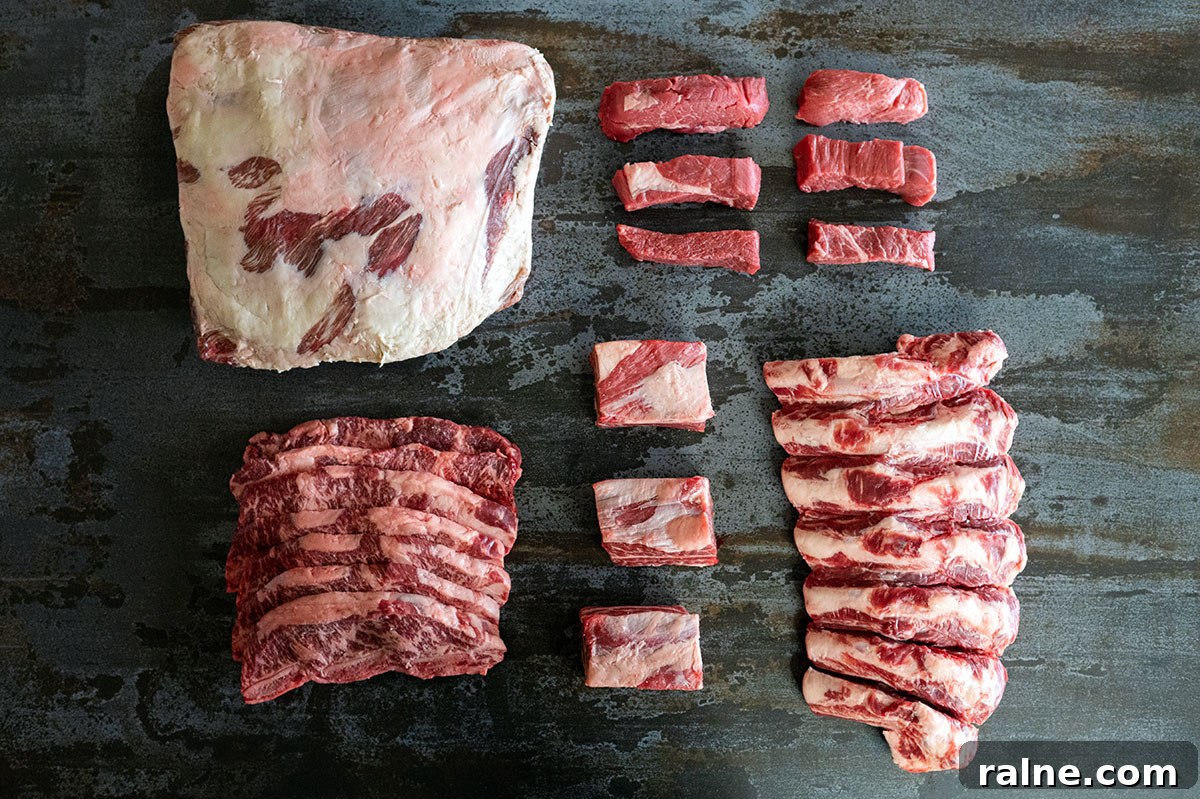
There are several common types of beef ribs, and it can be confusing to tell them apart. I didn’t always know the differences, so here’s a clear guide to help you pick and cook the meatiest, most flavorful ribs.
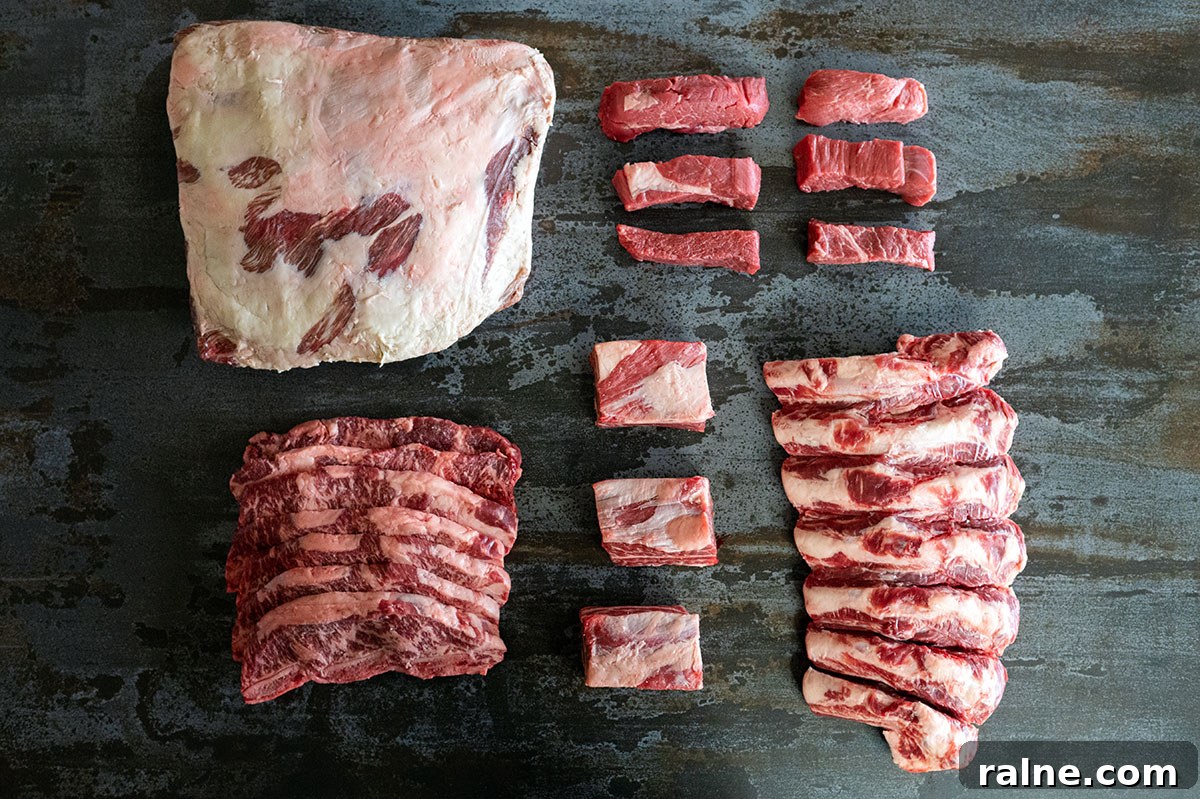
Table of Contents
- The 3 Main Types of Beef Ribs
- Beef Back Ribs
- Short Ribs
- Different Cuts of Short Ribs
- Boneless Beef Ribs
- Frequently Asked Questions
- Learn more about beef
- Learn about different types of pork ribs
The 3 Main Types of Beef Ribs
- Back Ribs
- Plate Ribs
- Short Ribs
Beef ribs come from three primal sections of the cow: the rib, the chuck, and the plate. Each area has different marbling and muscle structure, so the flavor and best cooking methods vary. In general, beef ribs benefit from low-and-slow smoking or barbecuing to break down connective tissue and render fat.
Butchers further divide those primals into numbered cuts and specialty portions—English-cut, flanken, rib fingers, boneless ribs, and more—so grocery packaging can be misleading. Read on to learn what each cut is and how to cook it for the best results.
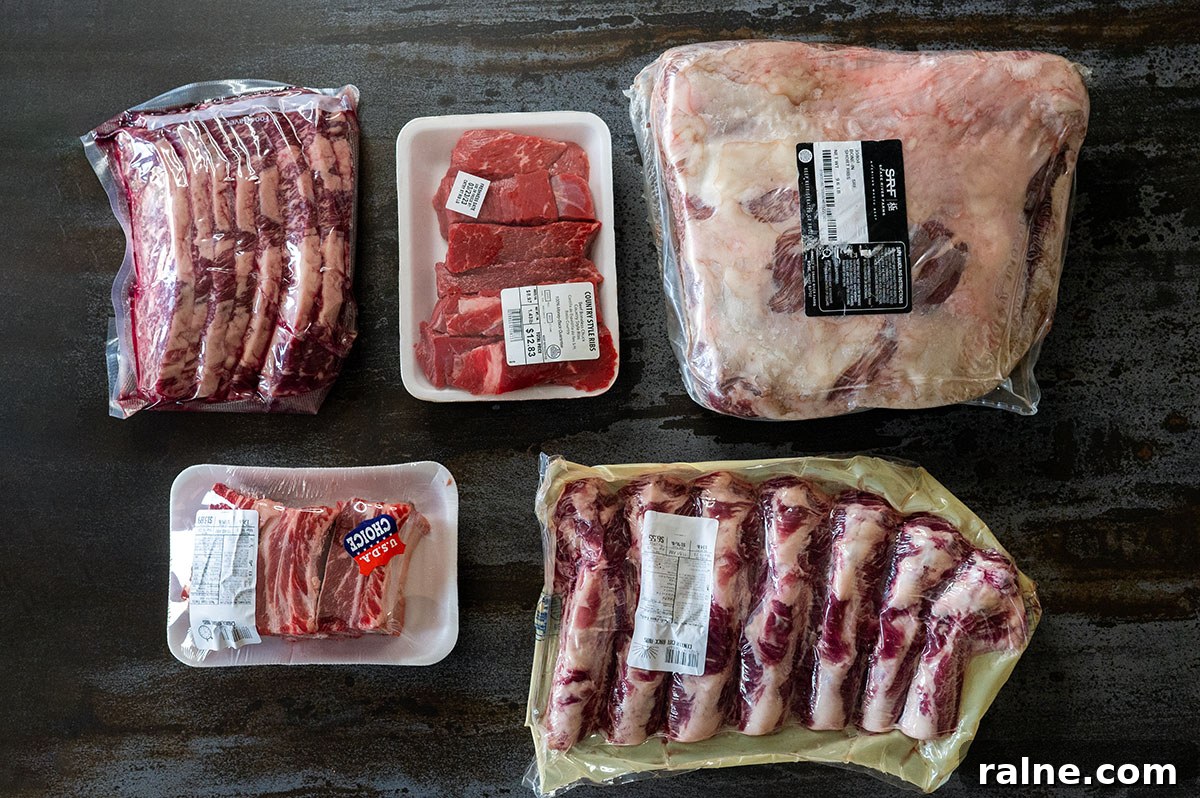
Because labels often say simply “short ribs,” it’s helpful to understand the origin and typical uses for each type so you get what you expect when shopping or ordering.
Beef Back Ribs
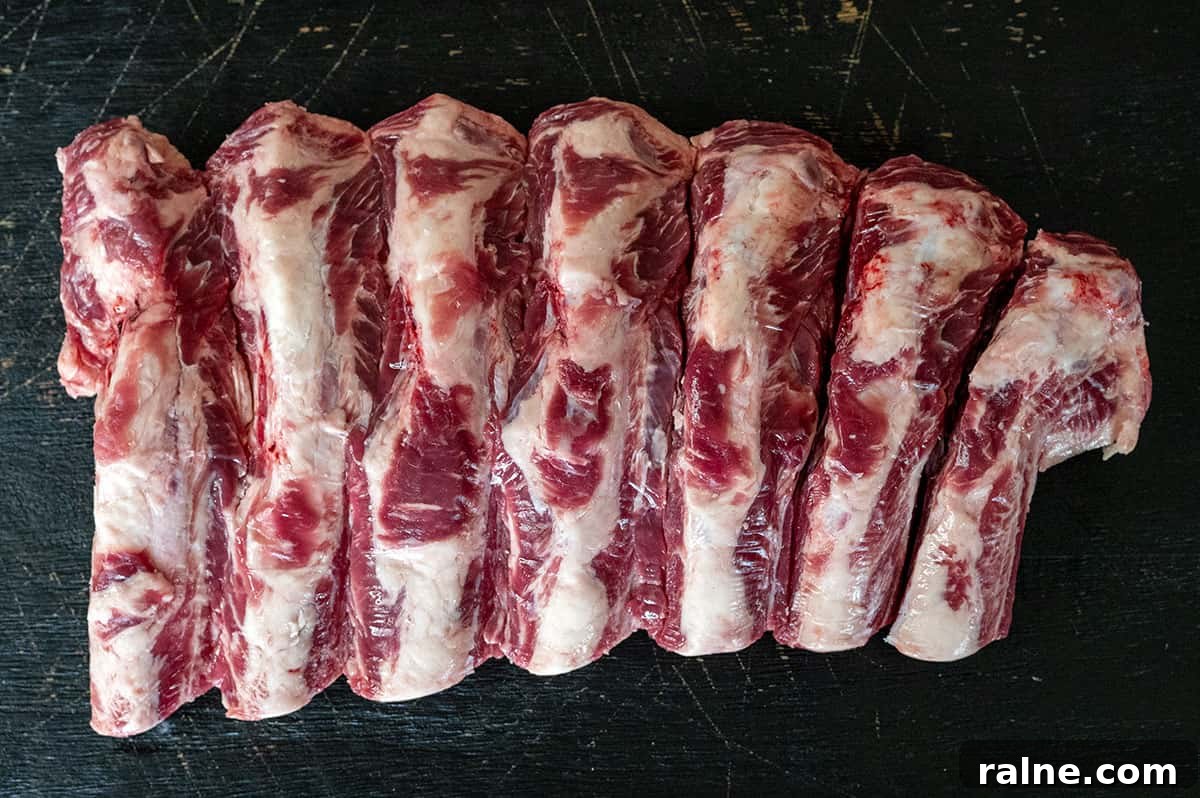
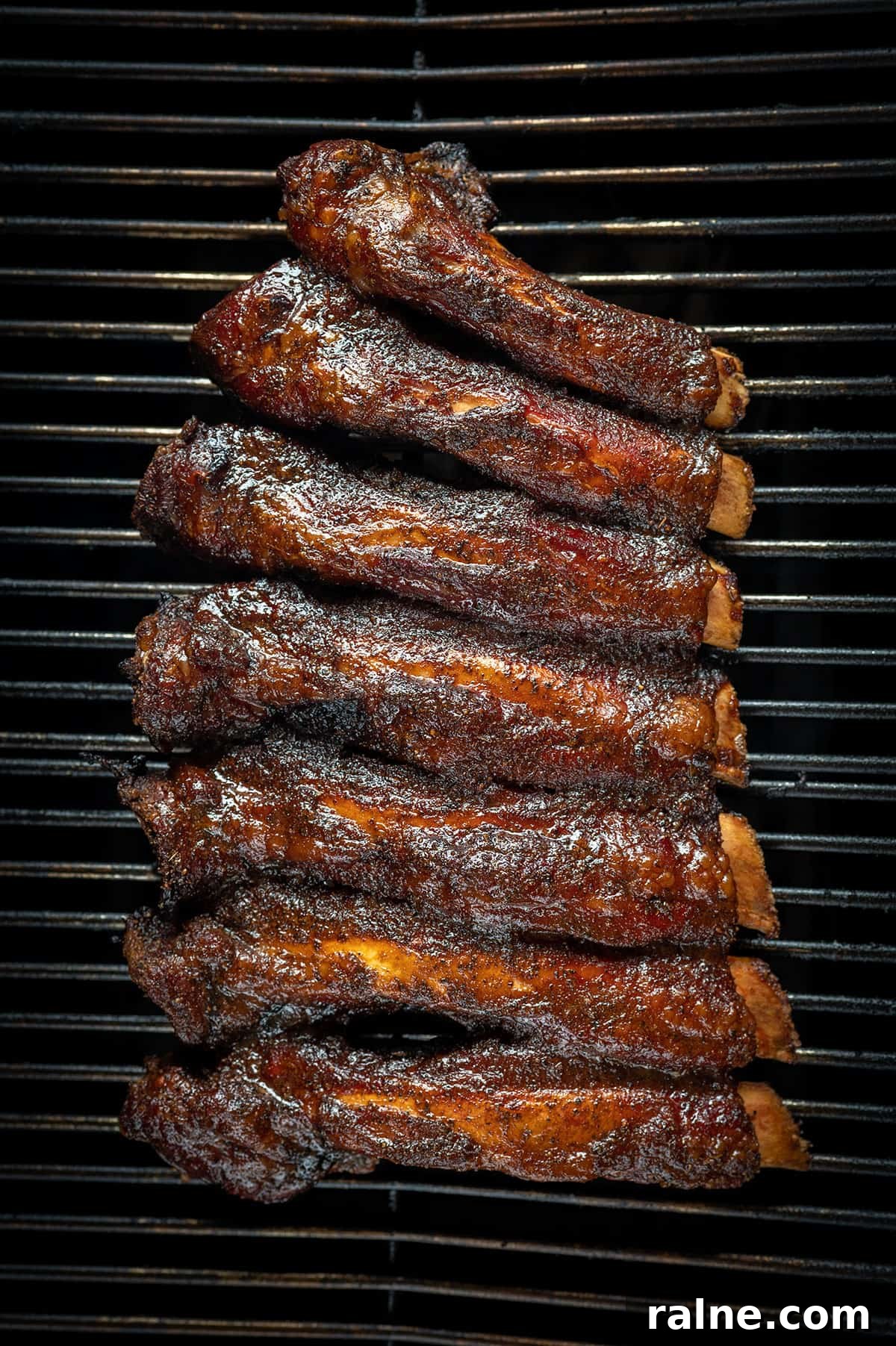
Beef back ribs come from the rib primal—the same region that yields prime rib and ribeye steaks. They resemble pork spare ribs in shape: a long, relatively flat rack that usually contains about seven bones, each 6–8 inches long.
Back ribs have less meat than plate or chuck short ribs because most of the meat sits between the bones. As they cook, the bones often become exposed at the top. Despite less meat, they offer excellent beefy flavor and are great on the grill or smoker.
Try my recipe for Smoked Beef Back Ribs
Short Ribs
Short ribs are a broad category and can be cut from the plate (belly), the rib, or the chuck (shoulder). The full subprimal that includes ribs 6–10 is often assigned butcher cut number 123, and that subprimal is then subdivided further.
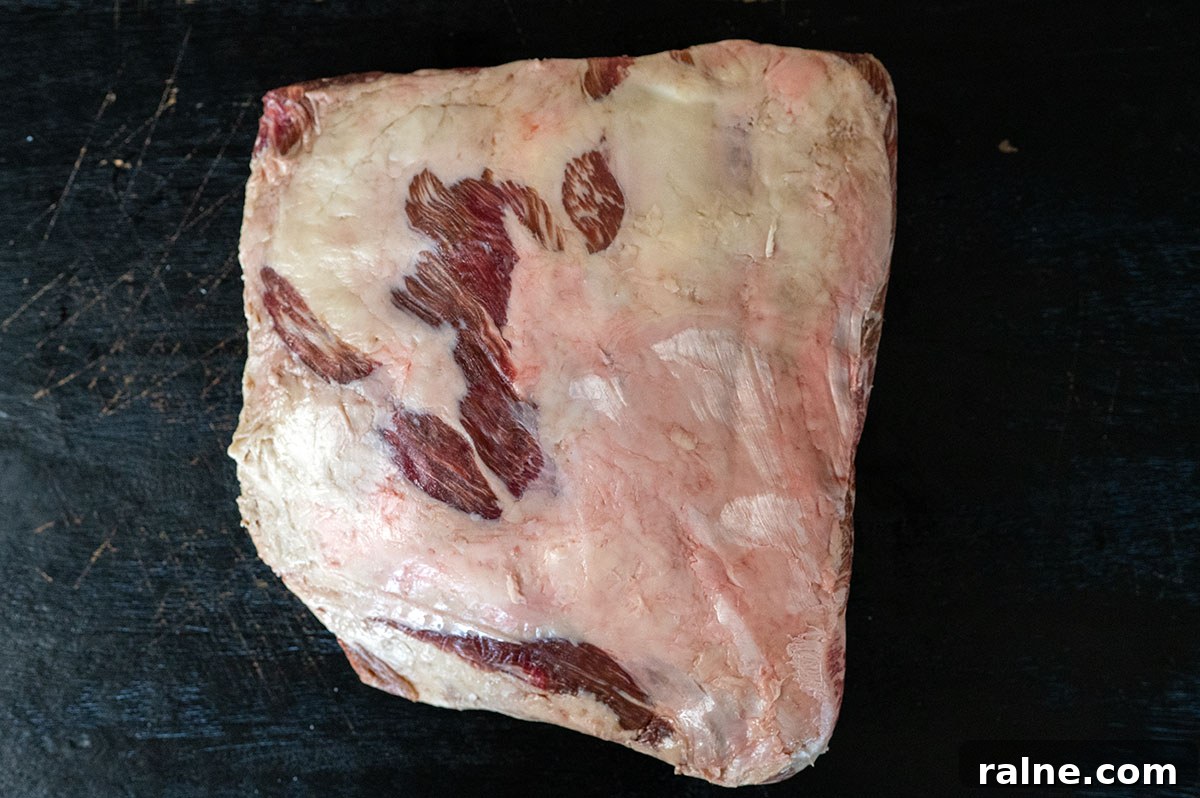
Plate Short Ribs (Dinosaur Ribs)
Plate short ribs—sometimes called dino ribs—are butcher cut 123A and come from the belly of the cow. These are the meatiest, most heavily marbled ribs and often weigh several pounds for a small number of bones. They offer rich flavor and a tender texture similar to the point of a brisket.
These ribs can be harder to find at standard grocery stores, so ask your butcher for cut 123A or request they special order them. When available, they are excellent for long smoking sessions.
Try my recipe for Smoked Dino Ribs (Beef Plate Ribs)
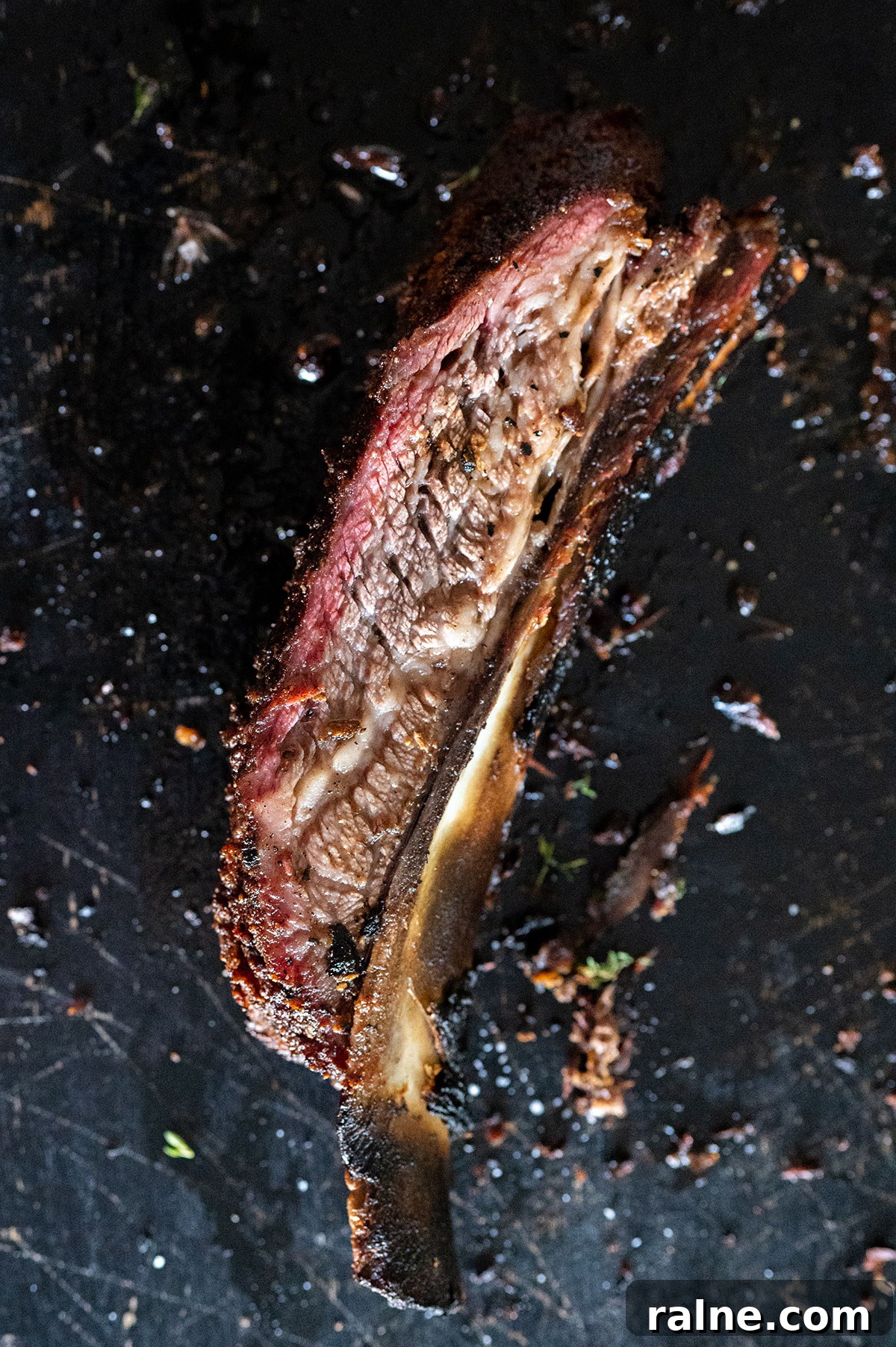
Rib Short Ribs
Rib short ribs (butcher cut 123B) come from the rib primal—these are the bones that connect to ribeye steaks. When a tomahawk or ribeye is trimmed, the leftover rib sections are often turned into short ribs.
Chuck Short Ribs
Chuck short ribs are cut from bones 2–5 in the chuck primal and are typically butcher item number 130. The chuck is the shoulder area, with good marbling; these ribs do very well with long, slow cooking to become tender and flavorful.
Different Cuts of Short Ribs
Butchers break short ribs into several presentation styles depending on how they slice across or along the bones. These variations change the cooking approach and final texture.
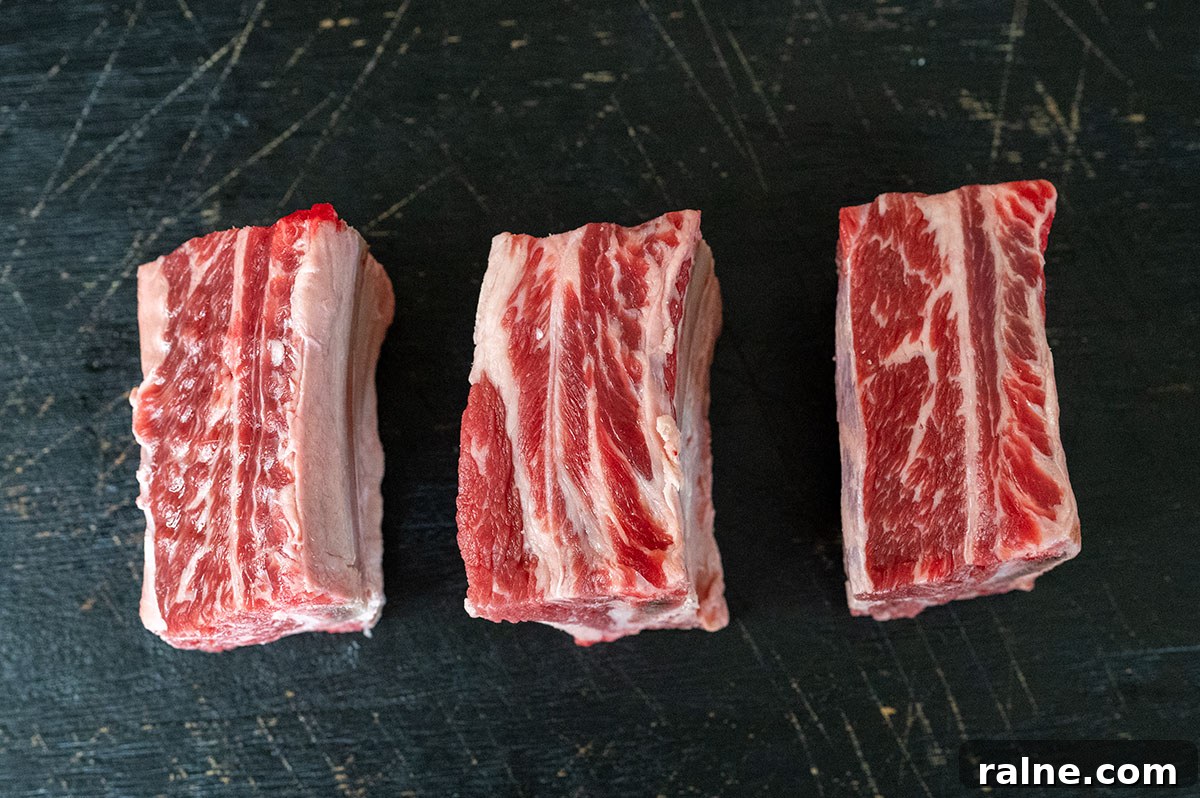
English Cut Short Ribs
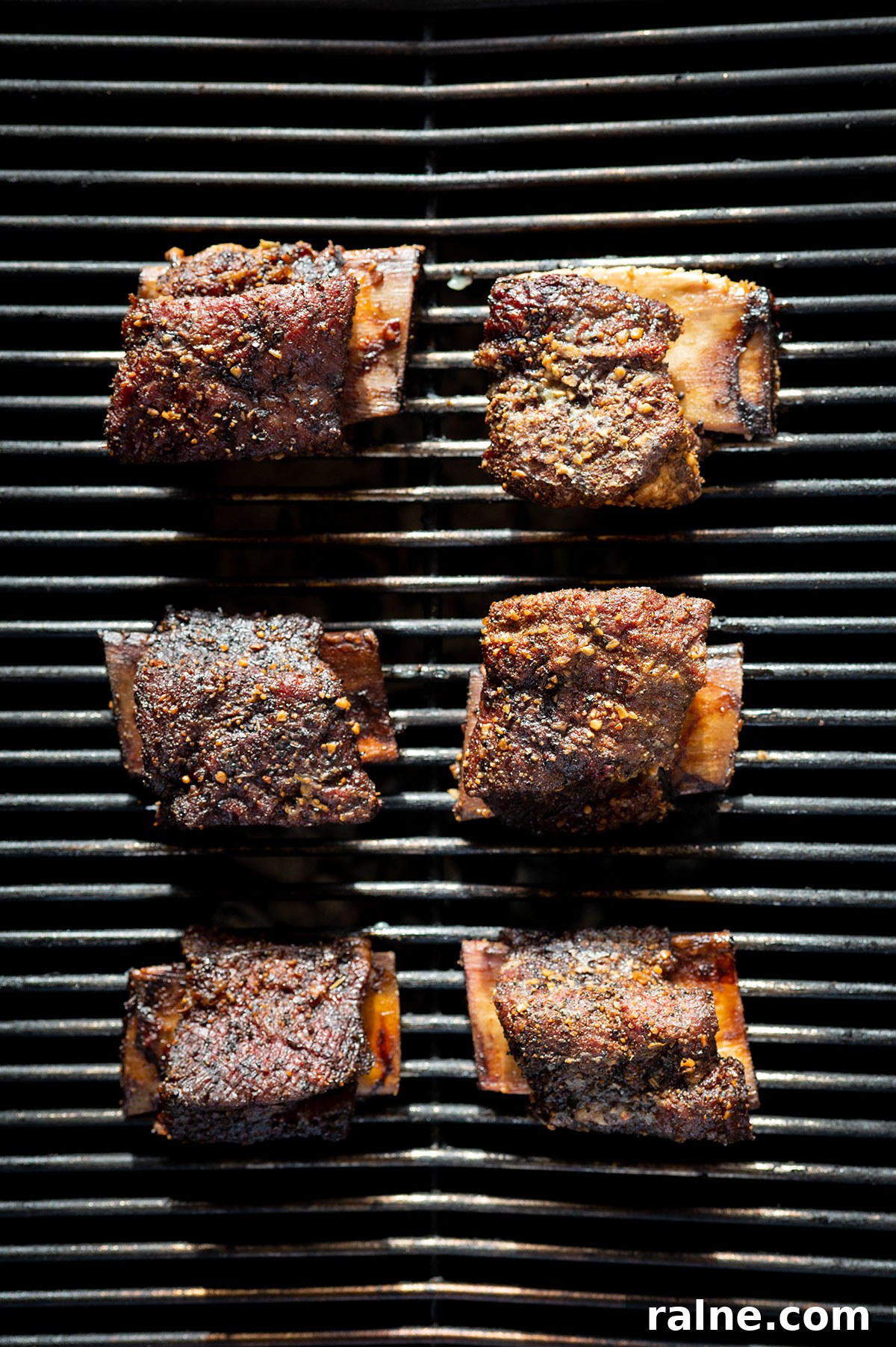
English-cut short ribs are the most common retail format. Ribs are cut into individual portions, often 3–4 inches long, with a rectangular block of meat sitting on a flat bone. It’s not always obvious from packaging whether they come from plate, rib, or chuck, but they are flavorful and adapt well to slow smoking or braising.
Try my recipe for Smoked Beef Short Ribs
Flanken Cut or Korean Short Ribs
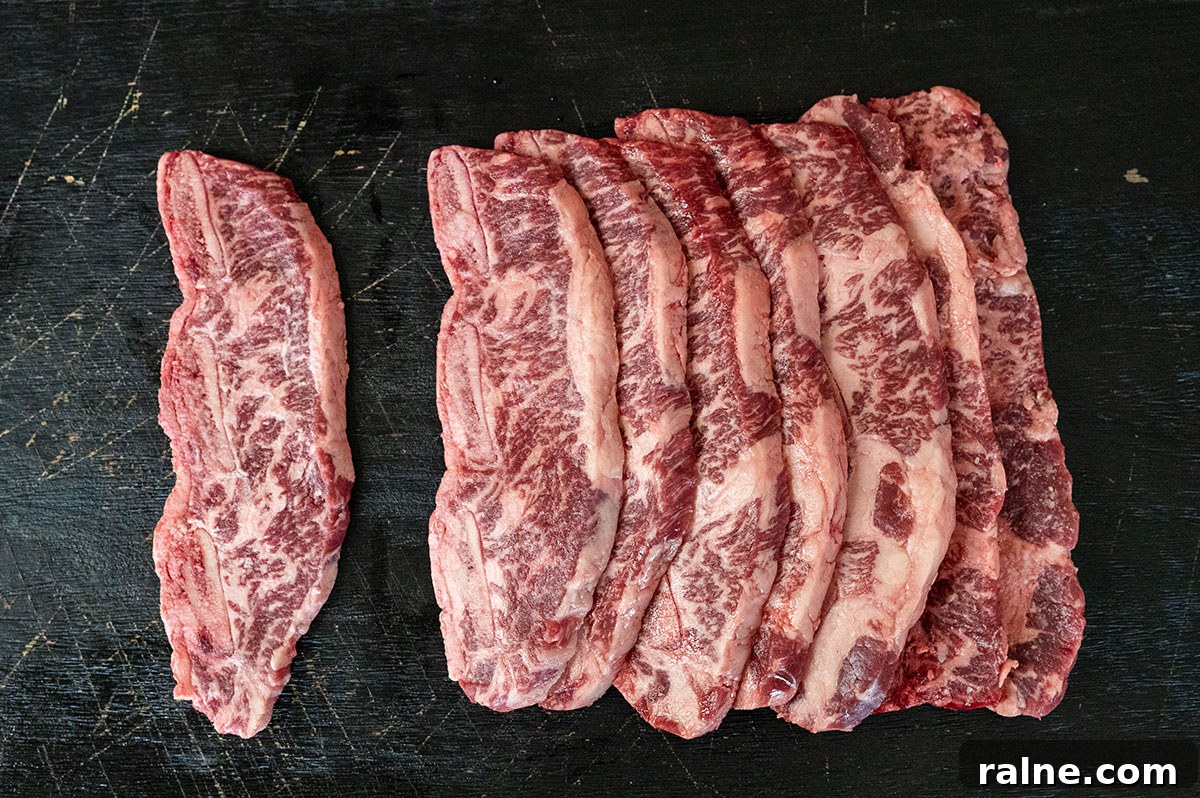
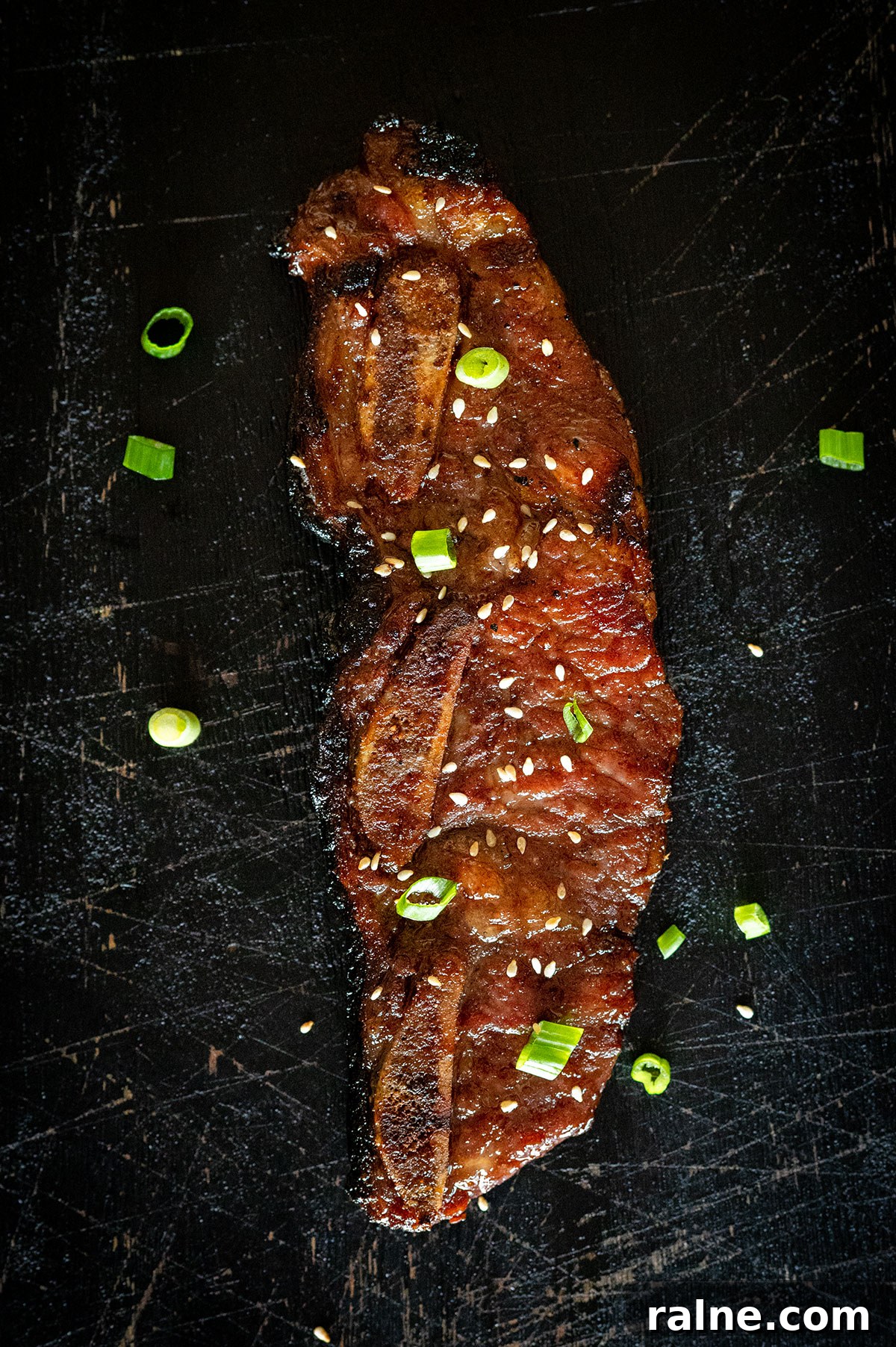
Flanken-cut ribs are thin cross-cut strips—about 1/4 inch thick—with several thin, oval bones. This is made by slicing perpendicular to the bone. Flanken is ideal for quick, high-heat grilling after a short marinade and is the cut commonly used for Korean-style ribs (kalbi).
Flanken can be cut from plate, rib, or chuck, and benefits from a flavorful marinade before a hot, fast cook.
Try my recipe for Korean Short Ribs
Boneless Beef Ribs
While part of the appeal of ribs is eating meat off the bone, there are boneless options that deliver the same rich flavor without bones to navigate.
Boneless Beef Short Ribs
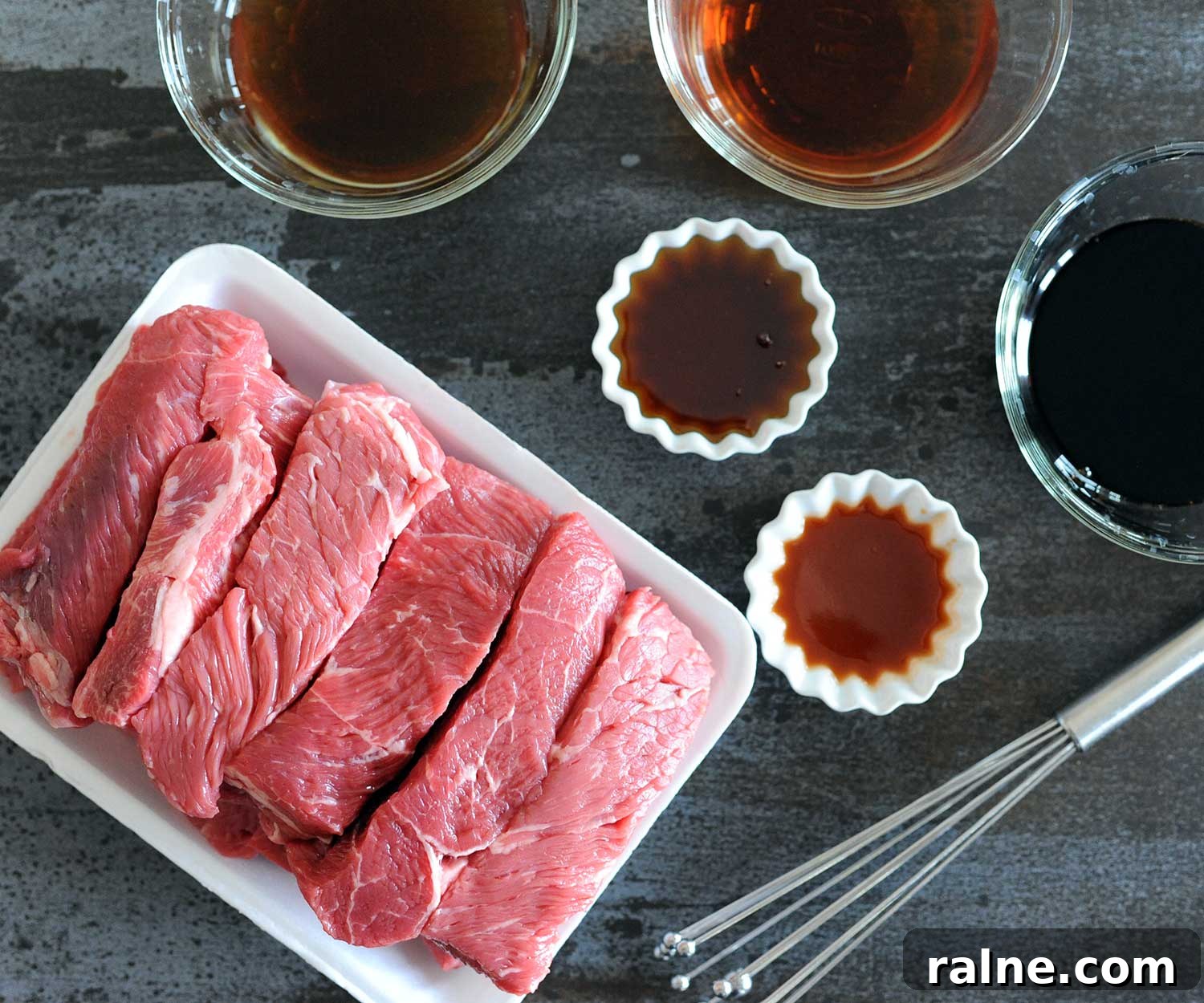
Boneless short ribs are the same high-quality meat as bone-in short ribs but with the bones removed, most often from the chuck. They’re excellent for braising, slow roasting, or smoking and are easier to slice and serve.
Country Style Ribs
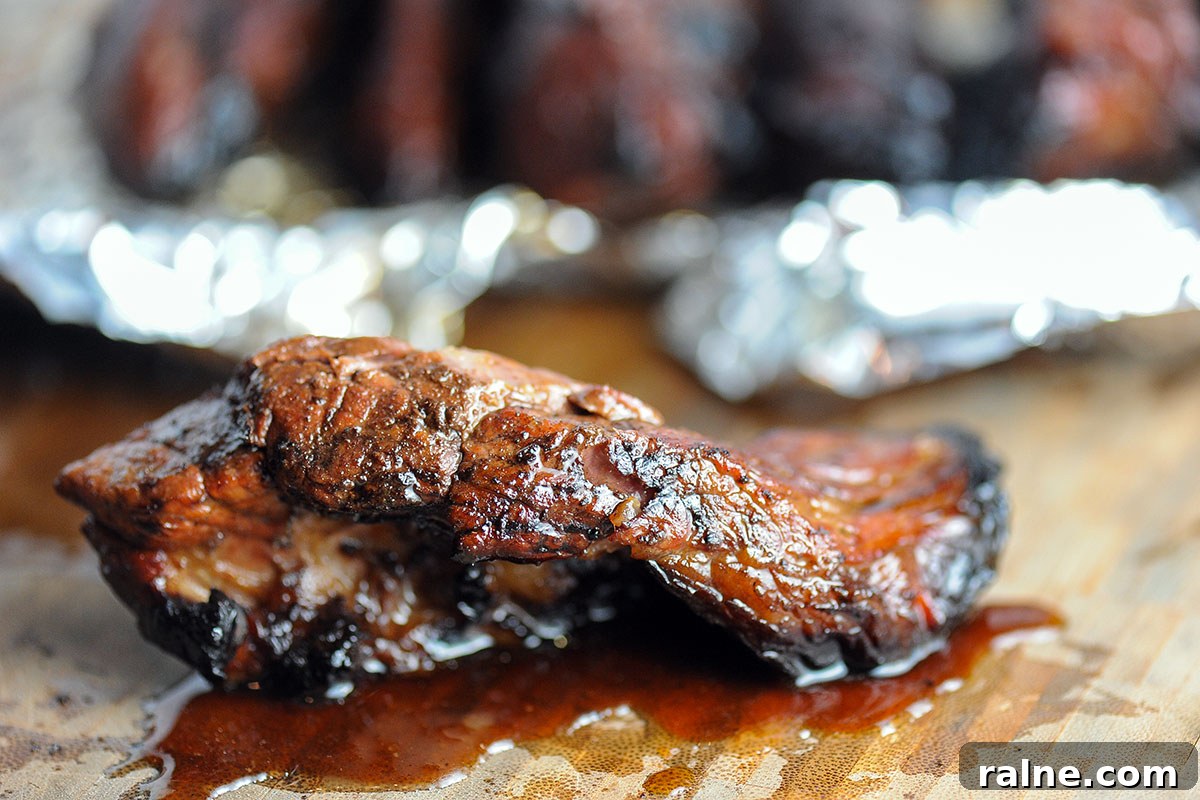
Country-style ribs are not true ribs. They are boneless strips cut from the chuck or shoulder, trimmed to resemble ribs. They’re popular for slow cooking, grilling, or smoking and make an economical, tender option when cooked low and slow.
Try my recipe for Grilled Tender Juicy Beef Ribs
Boneless Plate Ribs
Boneless plate ribs are the bone-free version of the meaty plate (dino) ribs and are ideal for recipes that call for richly marbled beef—like homemade pastrami—when traditional beef navel is hard to source. Butcher cut number 123D corresponds to this portion.
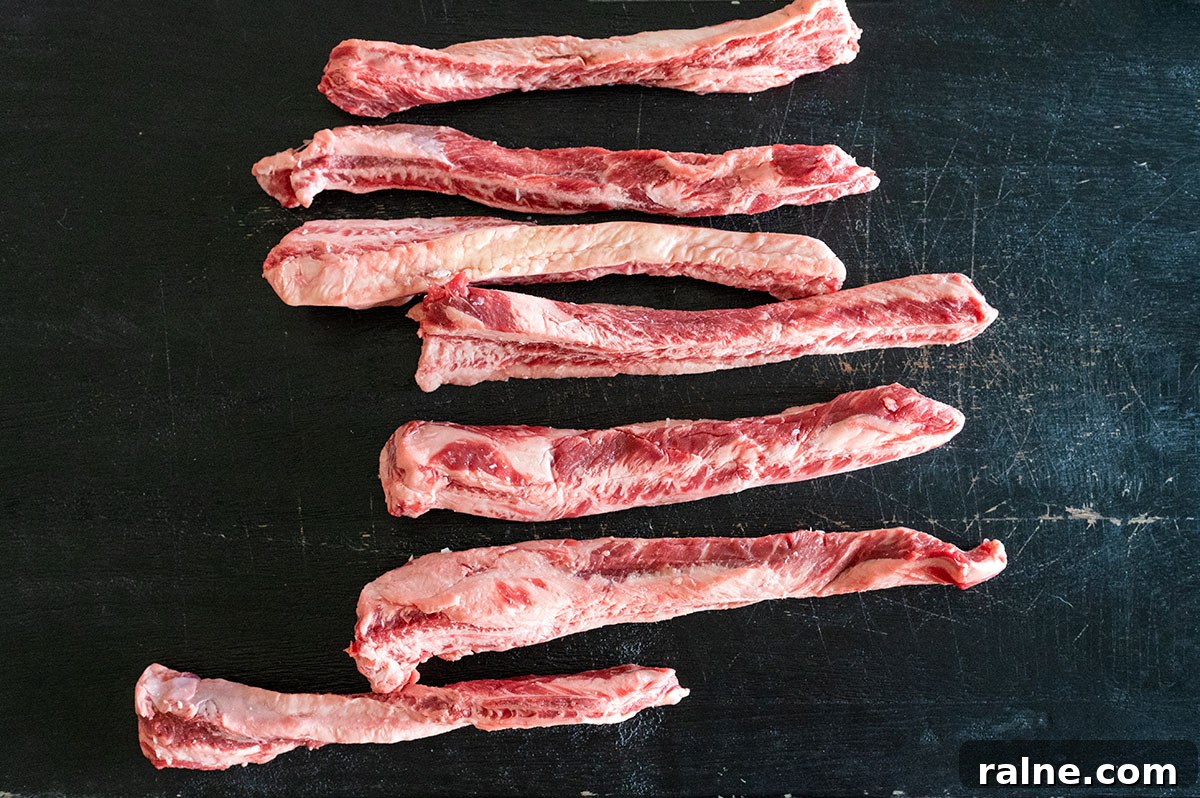
Beef Rib Fingers
Rib fingers are the boneless strips of meat removed when butchers prepare tomahawk ribeyes. They are prized for their concentrated beef flavor. Remove any remaining cartilage before cooking; they can be seared quickly like a steak or cooked low and slow for extra tenderness.
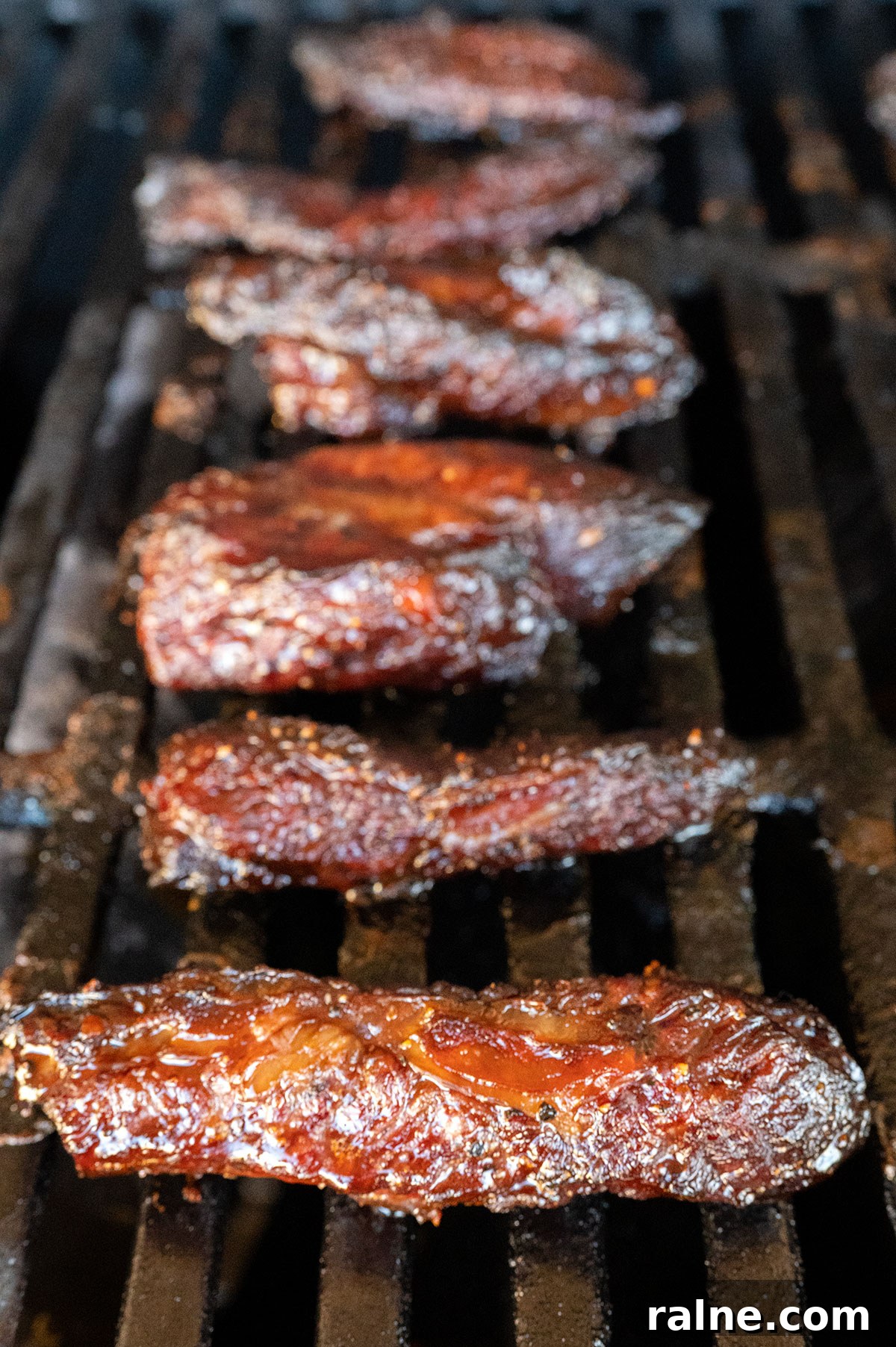
Try my recipe for BBQ Teriyaki Beef Finger Ribs
Frequently Asked Questions
Technically there are beef back ribs and short ribs, but short ribs are further divided into plate, rib, and chuck subprimals and then into styles such as English-cut, flanken, boneless short ribs, and rib fingers.
Most beef ribs benefit from several hours of low-and-slow cooking to become tender. The main exception is flanken-style (Korean) short ribs, which grill well quickly after a marinade.
The large, meaty racks often called “dino ribs” are plate short ribs, cut from the plate primal. They are sometimes identified as butcher cut 123A and can be special-ordered from a butcher.
Learn more about beef
- The Different Beef Cuts
- What Is Picanha?
- How to Butcher Tomahawk Short Ribs
- How to Trim a Prime Rib to Make Ribeye Cap and Ribeye Filet Steaks
Learn about different types of pork ribs
- How to Smoke Baby Back Ribs
- Competition St. Louis Style Ribs (3-2-1 Method)
- Hickory Smoked Country Style Pork Ribs
Christie Vanover is a Master of Beef Advocate for the National Cattleman’s Beef Association. Information used here has been confirmed through recognized industry resources.
Want even more grilling recipes and tips? Subscribe to newsletters and follow grilling accounts for updates. If you make a recipe, please leave a comment and rating below.