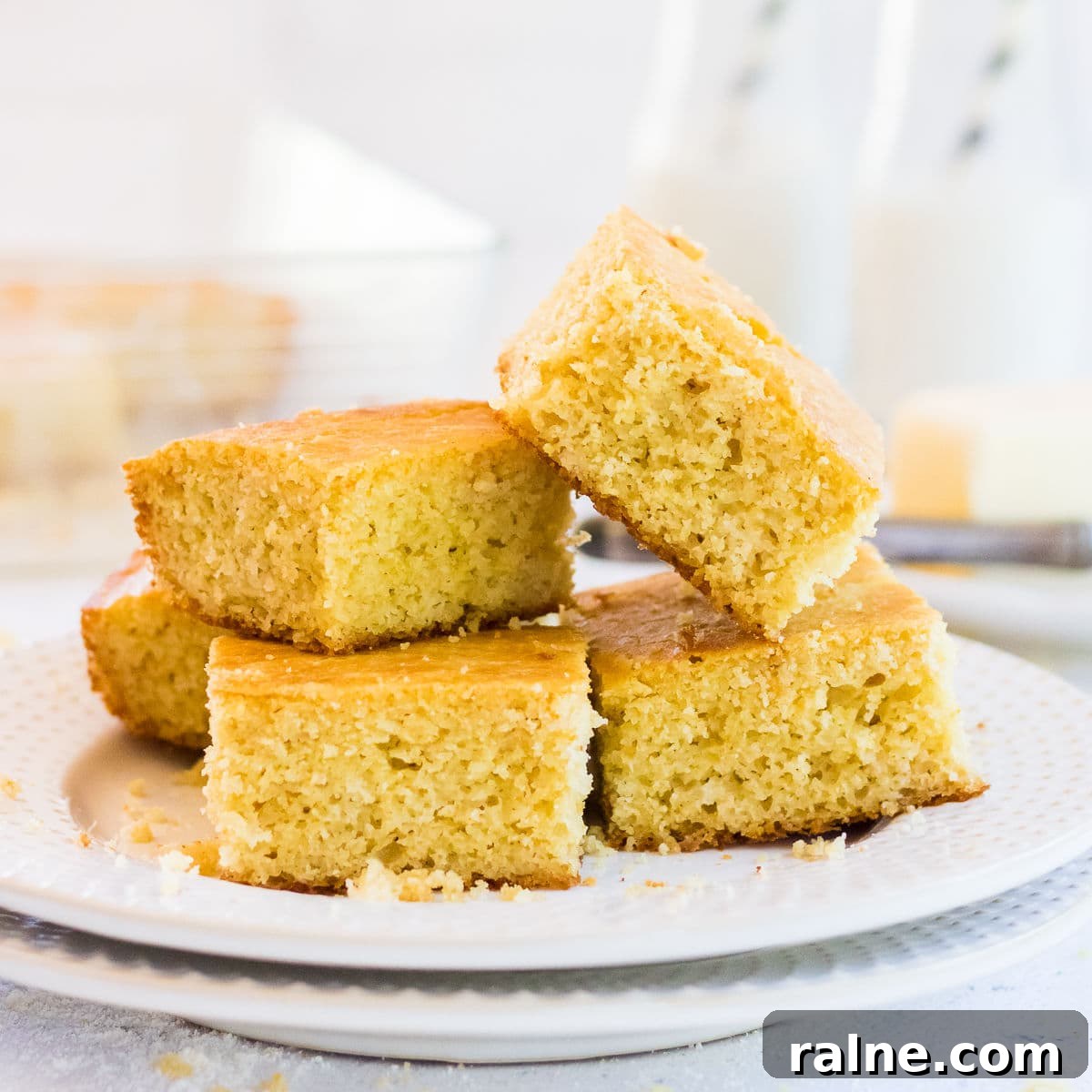
This is Southern buttermilk cornbread with no sugar, a timeless recipe with crisp edges, a tender crumb, and a straightforward purpose: to be a savory, reliable bread for hearty meals.
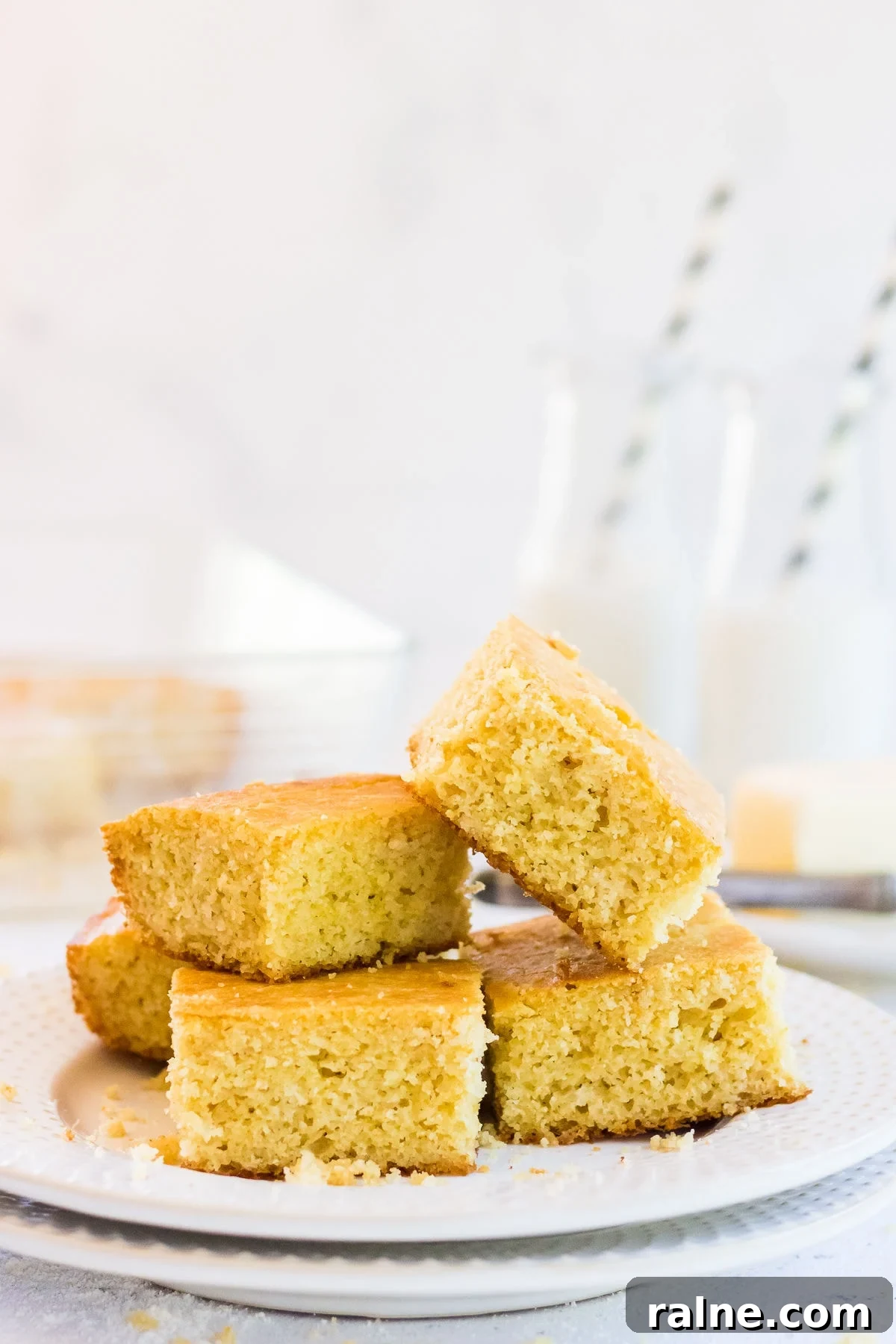
🥰 Is this Southern cornbread recipe for you?
- You believe cornbread is bread, not a sweet casserole.
- Sugar in cornbread feels like a personal betrayal.
- You want crisp edges, a tender crumb, and no stickiness.
- You cook with buttermilk and trust it to do the heavy lifting.
- Chili, beans, greens, or a fried egg need something solid to lean on.
- You learned cornbread from someone who didn’t measure and didn’t apologize.
Grab the free buttermilk cornbread cheat sheet—more FAQs, variations, storage tips, and the little Southern tricks that make it crisp, tender, and right every time.
📖 Recipe
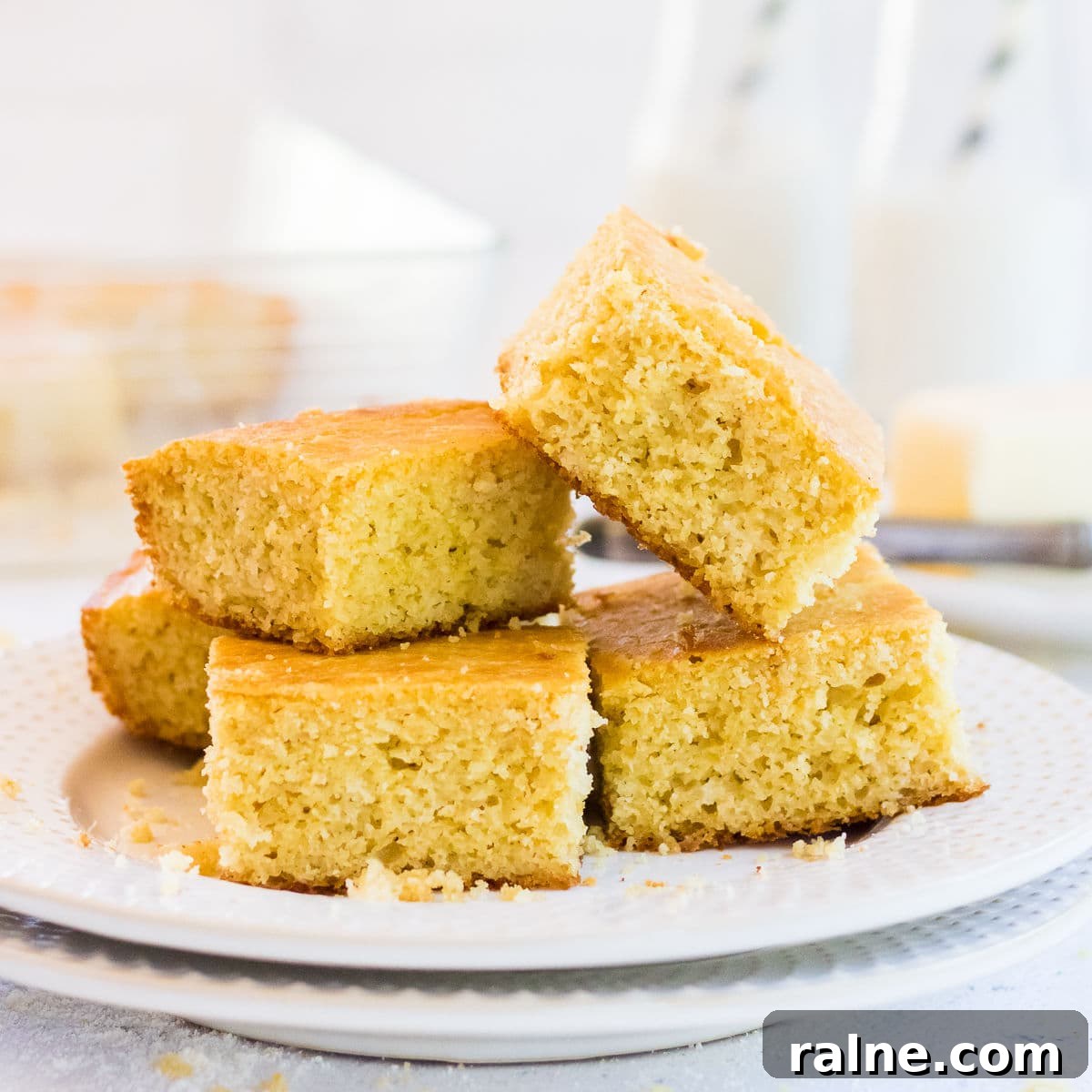
Southern Buttermilk Cornbread (no sugar)
Ingredients
- 1 ½ cups cornmeal
- ½ cup all-purpose flour
- 1 teaspoon baking soda
- ½ teaspoon salt
- 1 egg, beaten
- 1 ¼ cups buttermilk
- ⅓ cup butter, melted
- 1 tablespoon bacon drippings, or omit and use an extra tablespoon of butter
Instructions
- Preheat the oven to 400°F (204°C).
- Stir together the cornmeal, flour, baking soda, and salt in a large bowl.
- In another bowl, beat the egg and buttermilk until combined, then mix in the melted butter and bacon drippings.
- Quickly stir the wet mixture into the dry ingredients until just combined.
- Spoon the batter into a greased 9×9-inch square baking dish and smooth the top.
- Bake at 400°F for about 20 minutes, or until the edges are golden and a toothpick inserted in the center comes out clean.
- Let cool 5 to 10 minutes before serving.
To make cornbread in a cast iron skillet
- Preheat the oven to 425°F (218°C) with a 9-inch cast iron skillet inside.
- Prepare the batter as directed above.
- Carefully remove the hot skillet and add 1–2 tablespoons butter or bacon grease, spreading to coat the surface.
- Spoon the batter into the skillet and bake at 375°F (190°C) for about 20 minutes, or until an instant-read thermometer registers 200°F (93°C) in the center.
- Cool at least 10 minutes and serve straight from the pan.
Notes
Storage: Keep at room temperature for 2–3 days, covered in plastic wrap or in an airtight container. Freeze up to 3 months.
Tips:
- Mix and bake quickly once the wet ingredients hit the dry—baking soda begins reacting immediately.
- Cornbread is best the day it’s made; freeze leftovers if needed or repurpose them in salads and dressings.
Nutrition Facts
Calories: 172 | Carbohydrates: 20 g | Protein: 4 g | Fat: 9 g | Sugar: 2 g
Nutrition information is estimated; verify with your own calculator if needed. Percent Daily Values are based on a 2,000 calorie diet.
This recipe has been tested several times. Changing ingredients or technique may alter the results.
🧾 Ingredients you’ll need
Short, focused, and pantry-friendly. If you keep buttermilk and cornmeal on hand, you’re set.
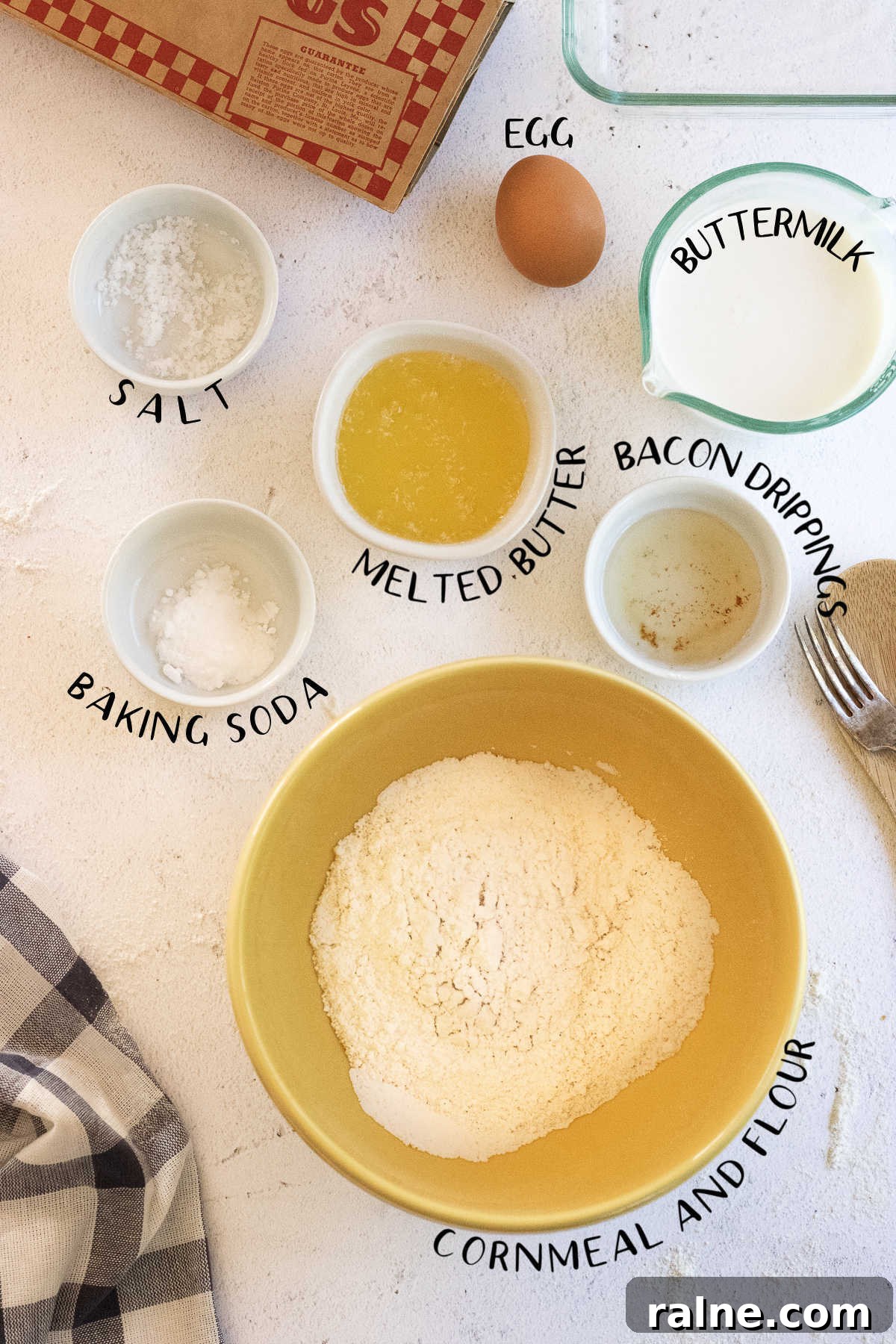
- Cornmeal — the backbone of the loaf.
- Flour — keeps the texture tender.
- Baking soda — the leavening agent.
- Salt — essential for flavor.
- Melted butter — adds richness.
- Bacon drippings — optional, but recommended if you have them.
- Egg — binds the batter.
- Buttermilk — adds tang and tenderness.
🔪 How to make Southern buttermilk cornbread
Stir, pour, and let the oven finish the job. Simple steps and minimal fuss produce reliable results.
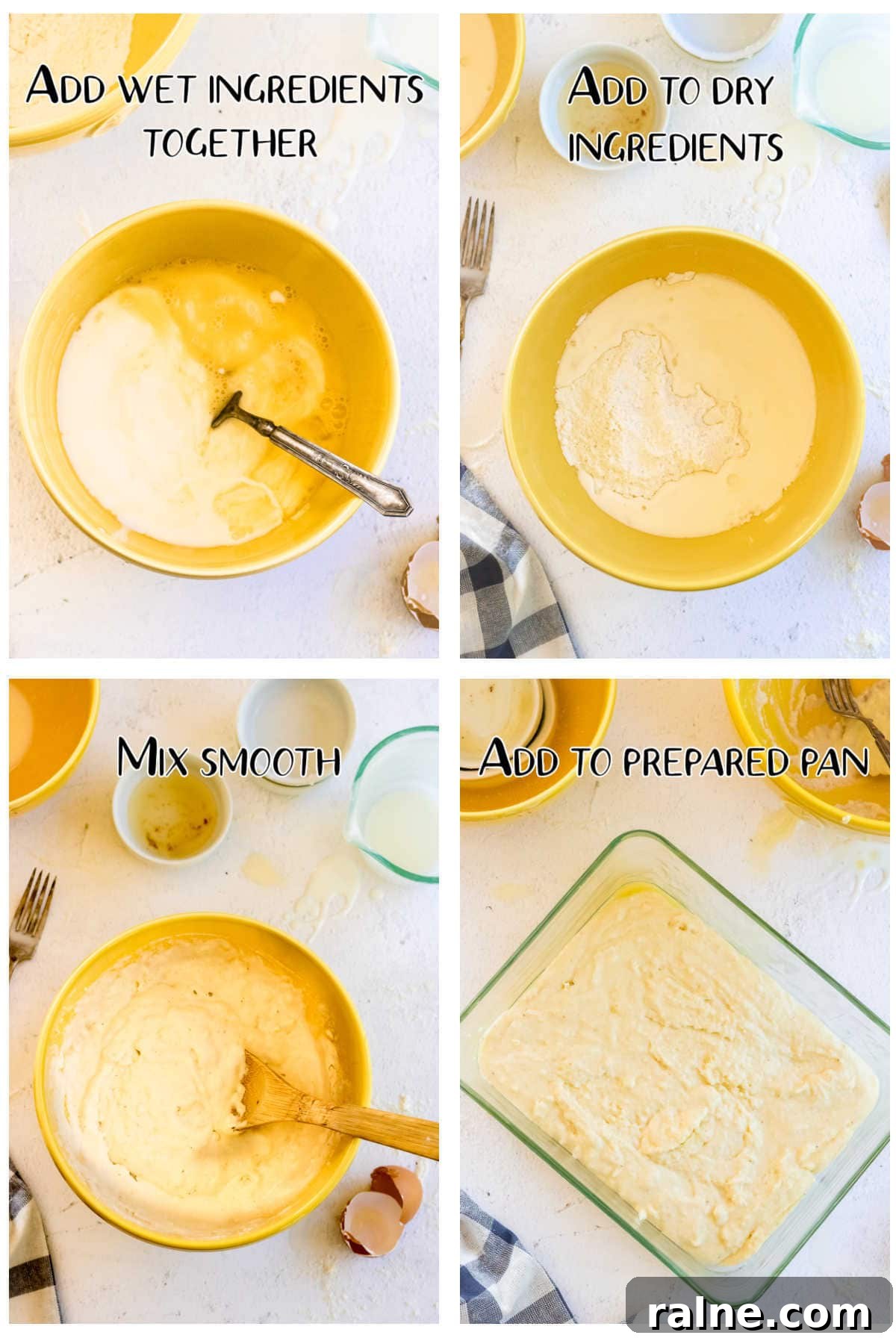
- Whisk the wet ingredients until blended.
- Combine the dry ingredients in a separate bowl.
- Mix wet and dry together just until combined—do not overmix.
- Spoon batter into the prepared pan and bake until golden and set.
Pro tip: Once buttermilk hits the batter, get it into the oven quickly—delaying will reduce rise and lighten texture.
😱 What can go wrong (and how to fix it)
Too dry and crumbly: You used too much cornmeal or skipped fat. Measure accurately and include the butter or drippings.
Dense instead of tender: The batter was overmixed. Stir just until combined.
Pale on top: The pan or oven wasn’t hot enough. Preheat properly and allow some color to develop.
Greasy bottom: Too much pooled fat. Grease the pan lightly; don’t overdo it.
Bitter or flat flavor: Old cornmeal or too little salt. Use fresh cornmeal and season well.
👩🍳 Any questions?
Ask in the comments or download the free buttermilk cornbread cheat sheet for FAQs and tips.
Add 1 tablespoon vinegar to a 1-cup measure, then fill with whole milk. Let sit about 5 minutes; it will thicken and work as a substitute.
Yes—use plain yogurt measure for measure, or mix half Greek yogurt with half whole milk for a similar consistency.
White cornmeal is traditional in many Southern recipes and is what the author prefers, but yellow cornmeal works fine if you prefer it.
📚 Other cornbread recipes you’ll love
If cornbread is your comfort food, try variations like cornbread salad, cornbread with creamed corn, or a cornbread-topped casserole. Different textures and uses, same devotion to good bread.
🏡 Heirloom cornbread recipe for a reason
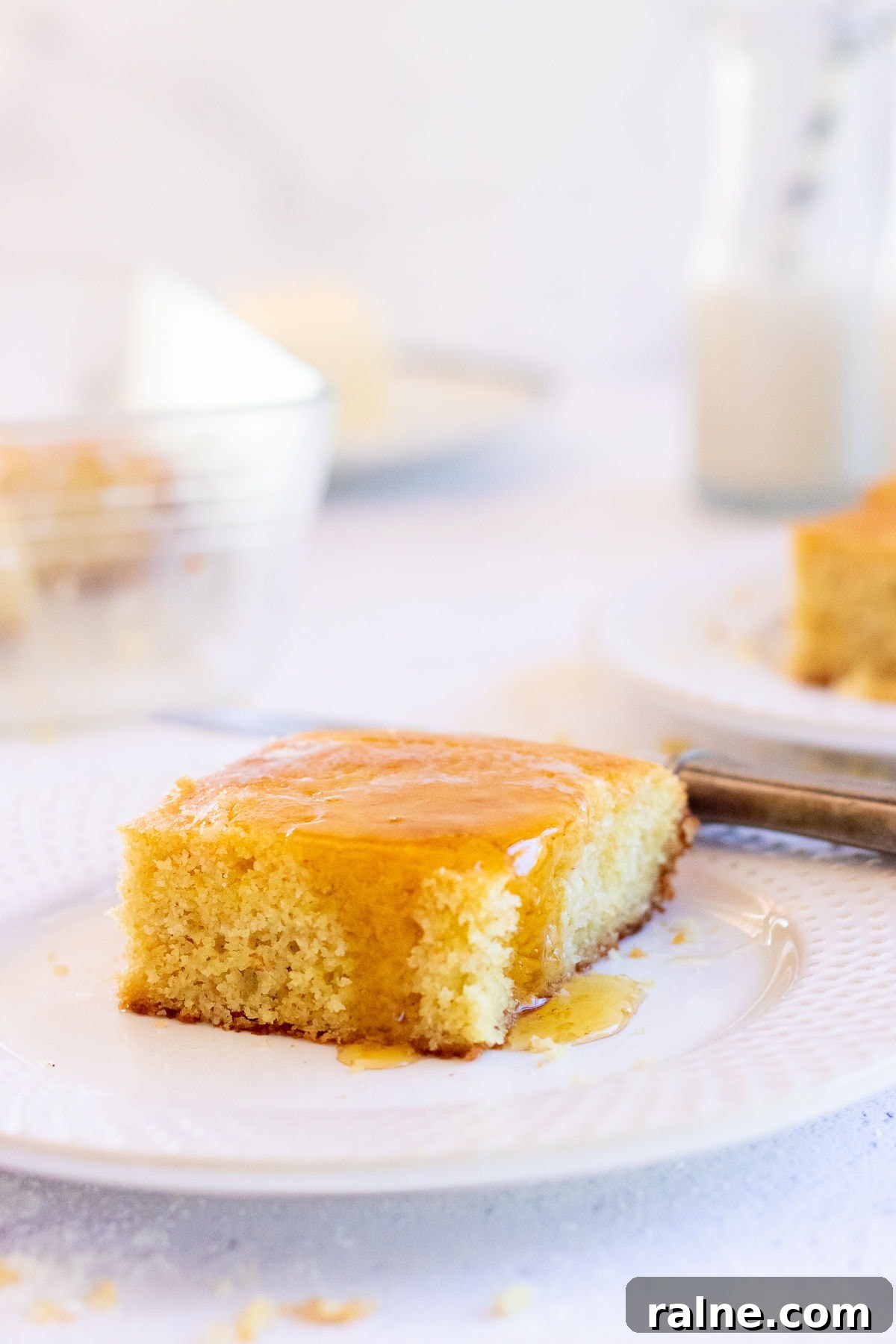
This no-nonsense Southern buttermilk cornbread is simple, savory, and built to pair with chilis, stews, and greens. It yields a tender interior with a thin, crisp crust—perfect with butter or honey if you like a touch of sweetness at the table.
With a handful of staples and about 30 minutes, you can make a classic side that’s been feeding families for generations. Try it—you might find it becomes your favorite, too.