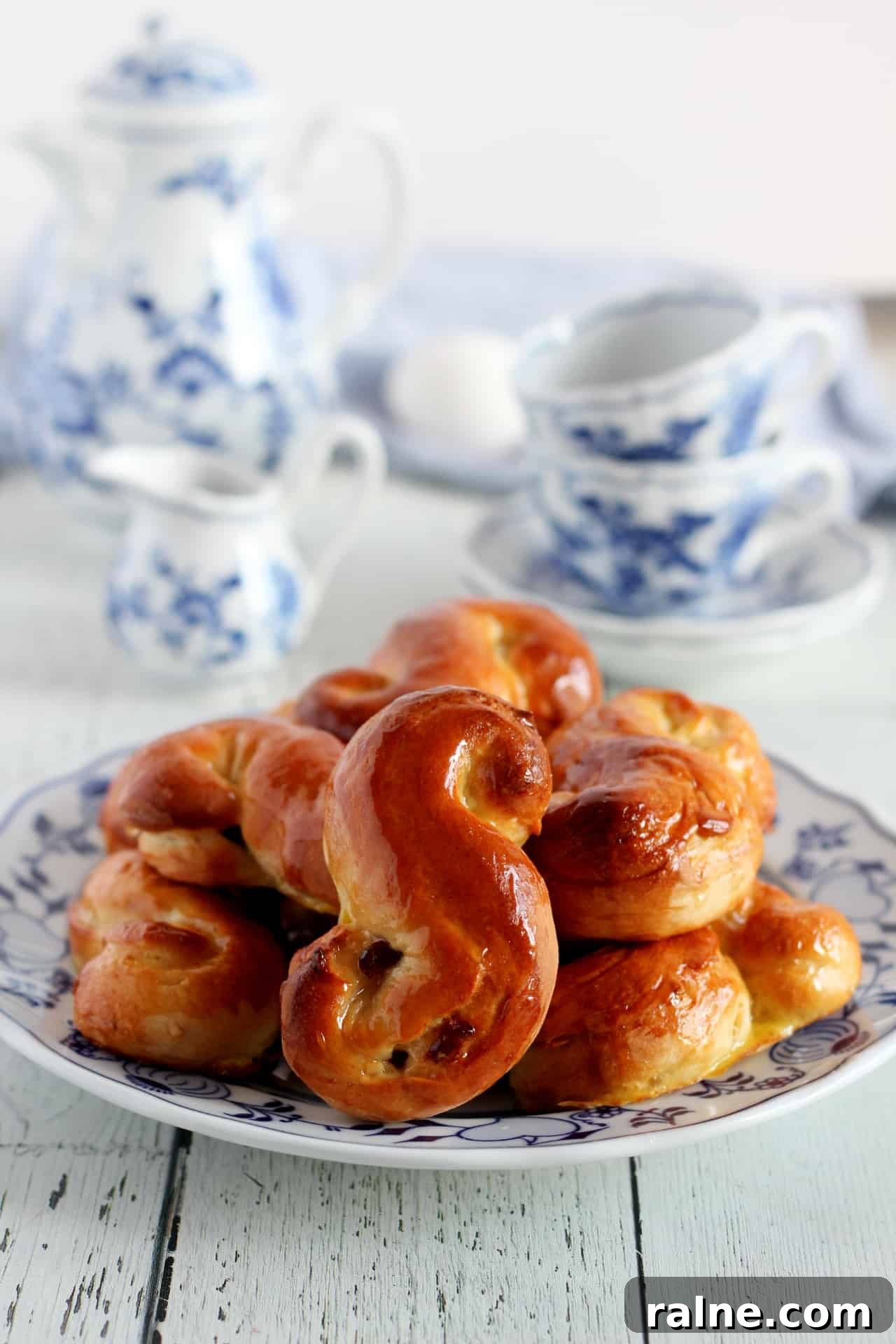
This sweet brioche bun called Judas or Jidáše in Czech is a traditional Easter pastry baked for Maundy Thursday. The buns are finished with a warm honey-and-butter drizzle for shine and extra sweetness.
Why these sweet brioche buns are so good
Here’s an easier, more budget-friendly version of brioche that keeps the buttery, tender crumb but is simpler to work with. Traditional French brioche recipes often use a near equal weight of eggs and butter to flour, resulting in a very rich, sticky dough. This recipe reduces that richness by using only two egg yolks and a modest amount of butter, then replacing a portion of the fat with whipped cream (35% fat) or, if you prefer lower fat, lukewarm milk. The dough is less sticky than classic brioche and far easier to shape.
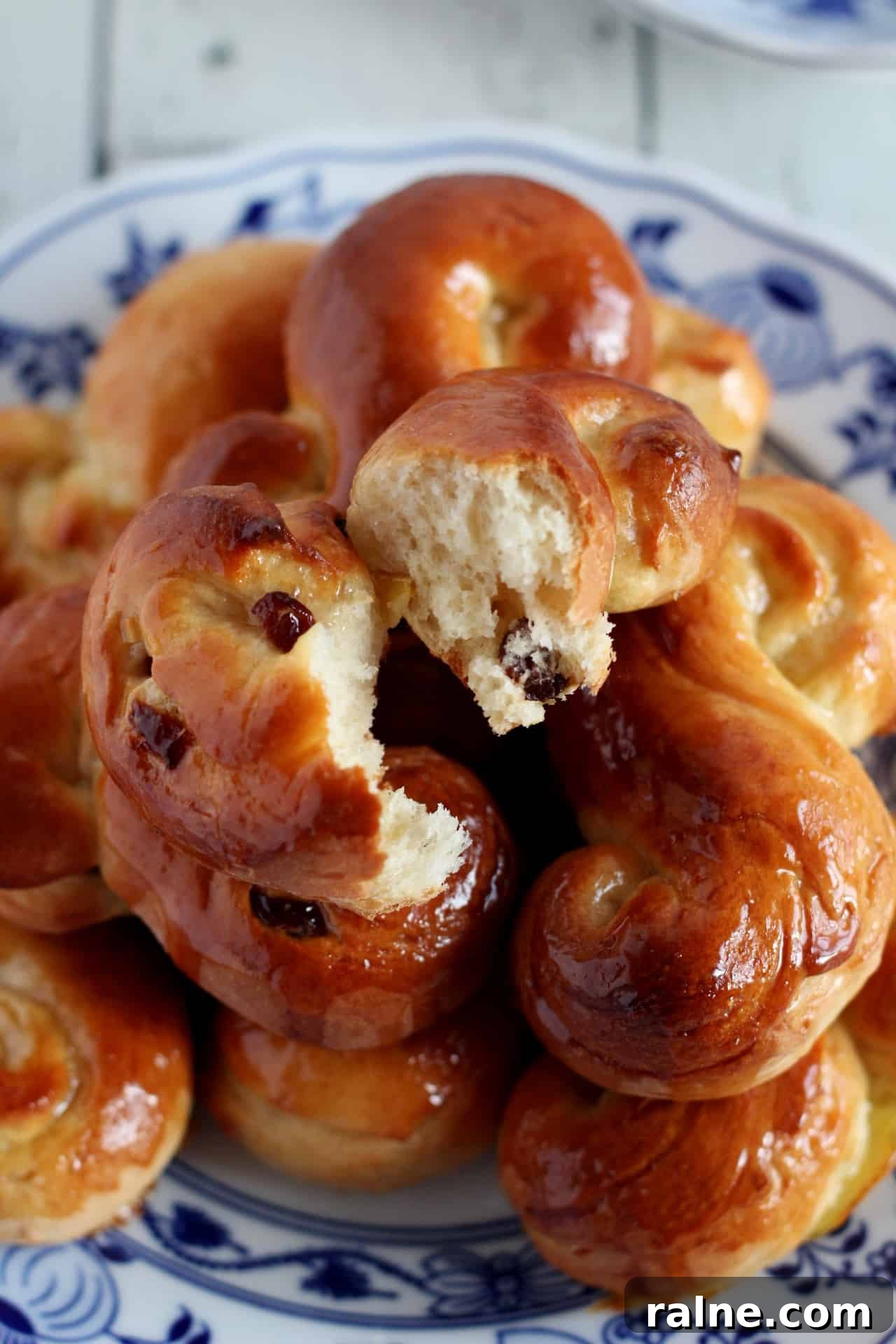
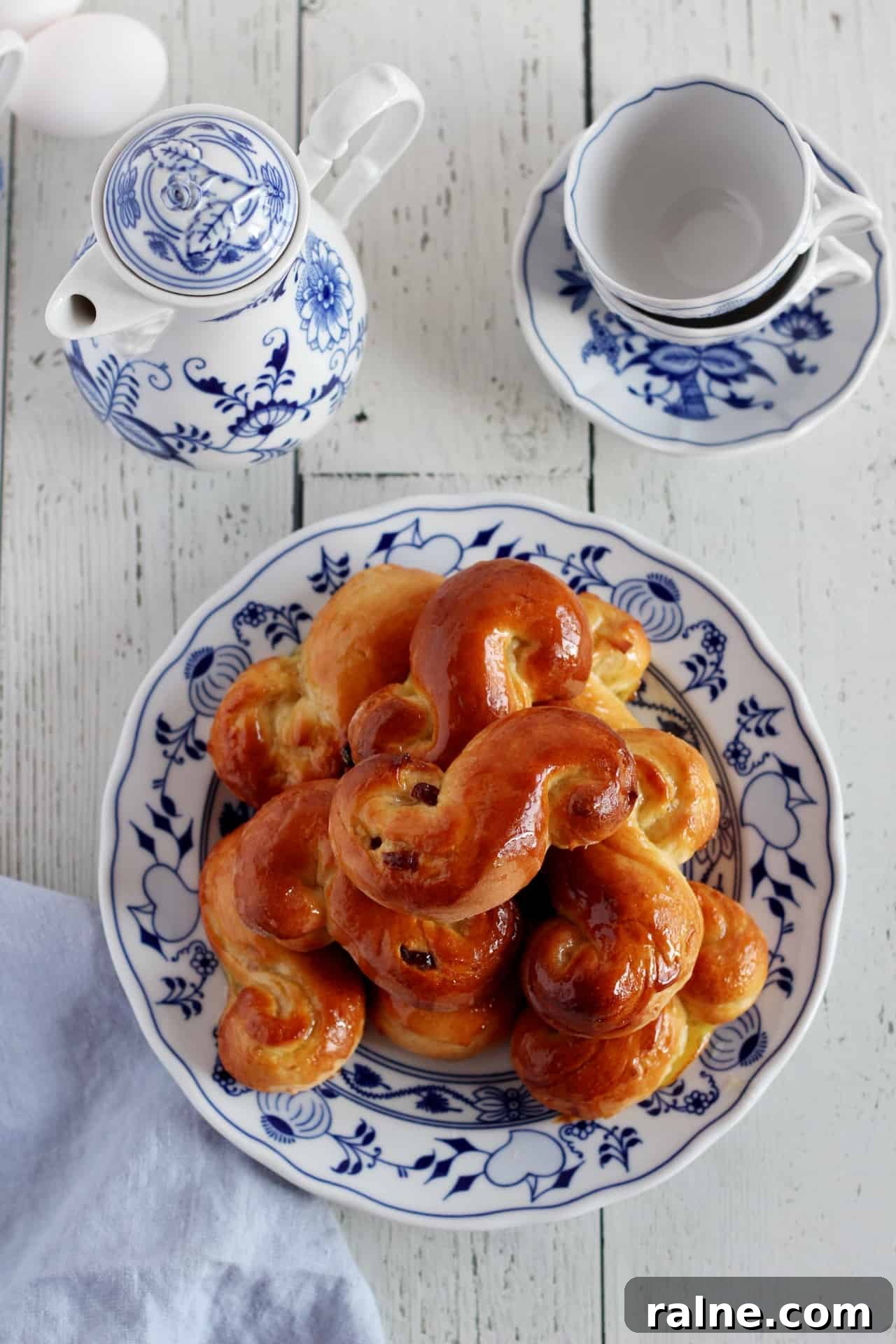
The buns are formed in an S shape and are delightfully fluffy and lightly sweet. The dough itself isn’t overly sweet, so raisins add a pleasant burst of sweetness and sliced blanched almonds give a delicate crunch. Brushing the hot buns with a honey-and-butter glaze after baking gives them a glossy finish and a lovely aroma perfect for Easter.
Why make these for Easter, and why are they called “Jidáše”?
A bit of history
These sweet buns have a long tradition in Czech Easter cuisine. They are called “Jidáše” (Judas buns) because their twisted shape resembles the rope or cord associated with Judas Iscariot in folklore. In older tales, Judas is said to have hanged himself after betraying Jesus, and the braided or knotted dough reflects that story. Czech Easter customs are rich with symbolism and many traditional foods tie into biblical characters or seasonal rituals.
For readers interested in Czech Easter customs—like the pomlázka (a willow whip tradition), painted eggs, and the rituals for each day leading up to Easter—the author has written an extended post about Czech Easter traditions.
Ingredients for Judas buns
- All-purpose flour
- Unsalted butter
- Egg yolks and whole egg
- 35% whipping cream (or milk for a lighter version)
- Fine sugar
- Yeast (fresh or dry)
- Salt
- Lemon zest
- Honey
What is sweet brioche dough
Brioche sits between bread and pastry: a rich, slightly sweet loaf with a tender, buttery texture similar to Danish pastry or raisin bread. Classic brioche uses many eggs and butter, which creates a very sticky dough. This recipe reduces the number of eggs to yolks only and uses whipped cream to keep the dough manageable while preserving softness and flavor. A stand mixer with a dough hook is recommended for best results.
How to make sweet brioche buns for Easter
-

Make the dough -
First proving -
Place on floured surface -
Divide the dough -
Roll ropes and shape -
Second proving -
Brush and bake -
Brush with honey drizzle
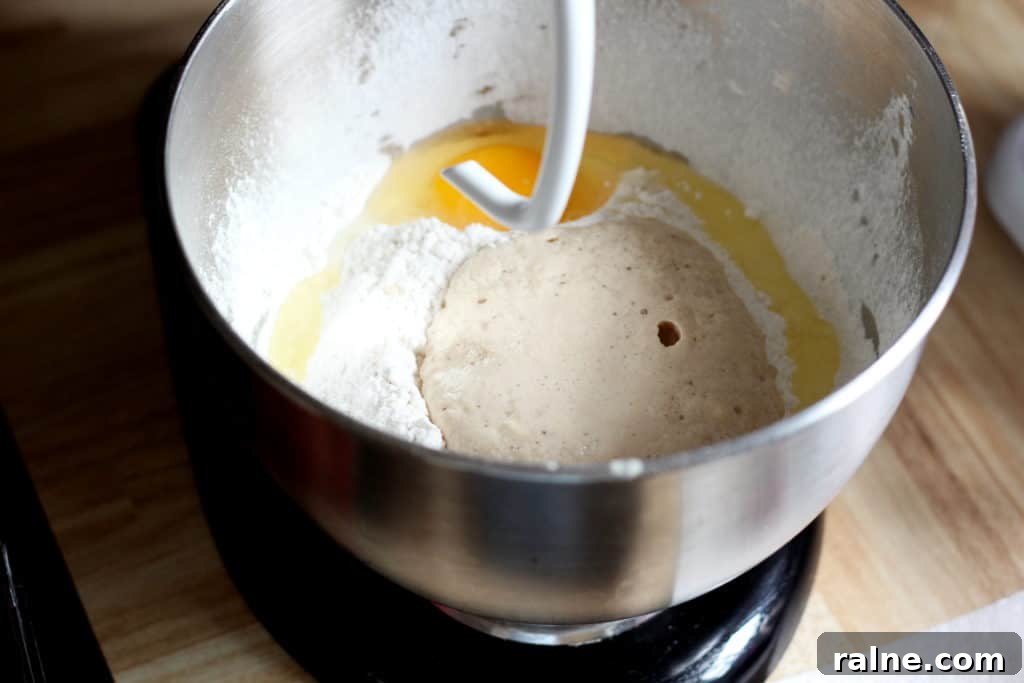
- Make the leavening: If using instant dry yeast, skip to step 2. For fresh yeast, crumble it into a small cup, add 1 tsp sugar and 100 ml (7 tbsp) lukewarm whipping cream, mash with a fork, sprinkle 1 tsp flour on top, cover and let rise in a warm spot until doubled (about 10 minutes). If the starter shows no activity, use fresh yeast.
- Measure and combine: Add flour, sugar, lemon zest and salt to the mixer bowl and stir briefly. Add the yeast (instant mixed with flour or fresh starter), then add the egg yolks and begin mixing on low speed.
- Add cream and butter: Slowly pour in lukewarm whipping cream while mixing. The dough will be crumbly at first. Add room-temperature butter, spoon by spoon. The dough will become sticky, then elastic. Knead with the mixer on a higher speed for 5–10 minutes until it no longer sticks. Fold in raisins and sliced blanched almonds for a few seconds to combine.
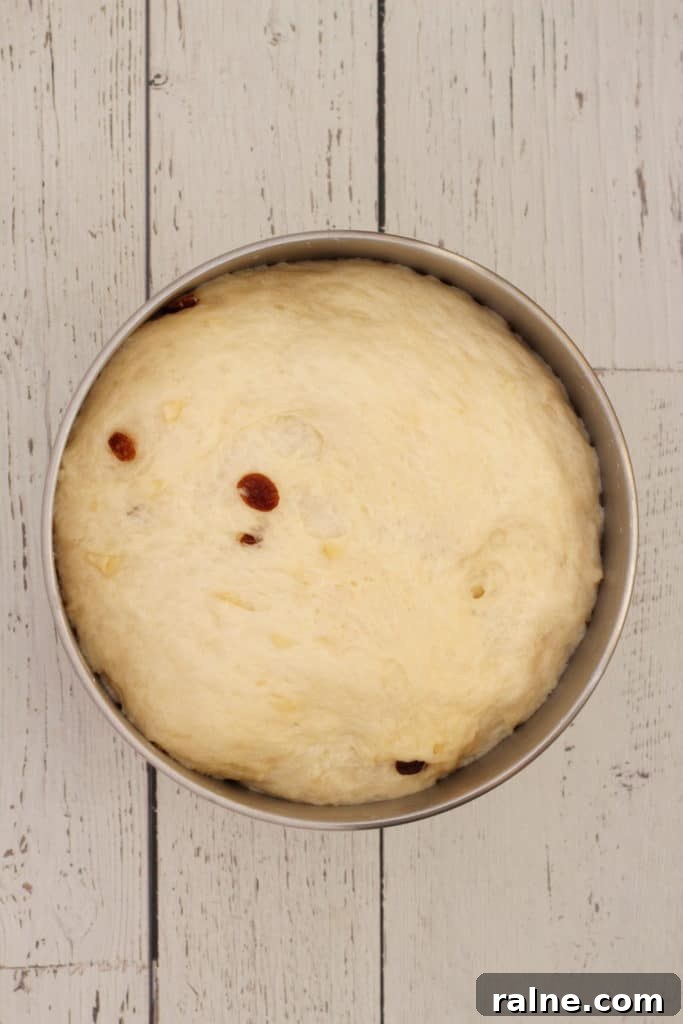
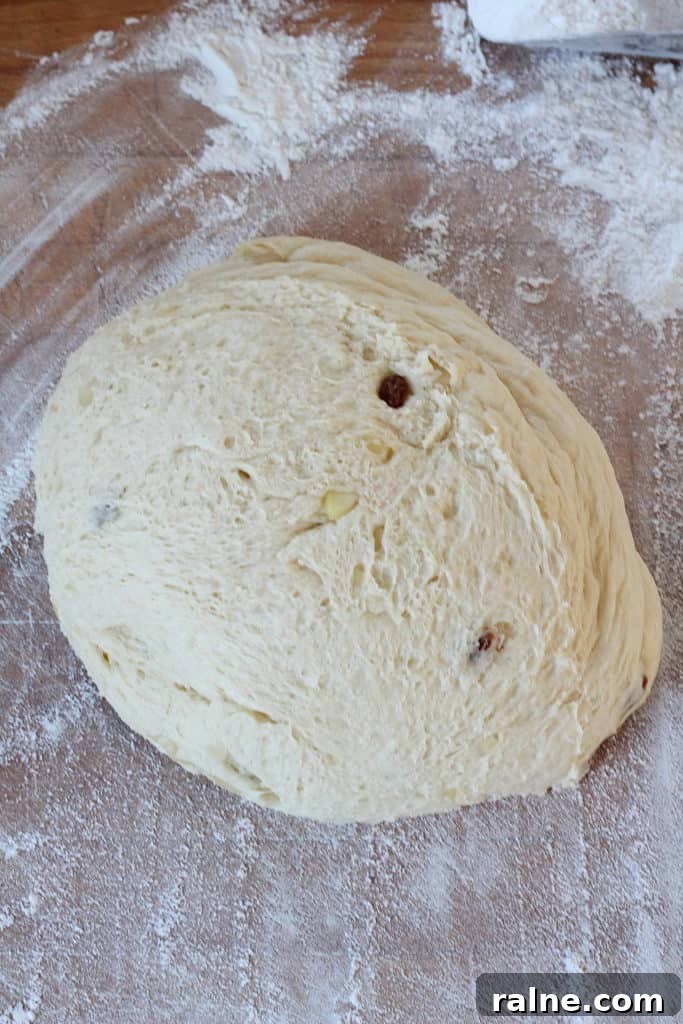
- First proof: Turn the dough onto a lightly floured surface, knead briefly to shape a ball, return to the bowl and cover with plastic wrap or a cloth. Let rise in a warm, draft-free place until doubled, about 1 hour.
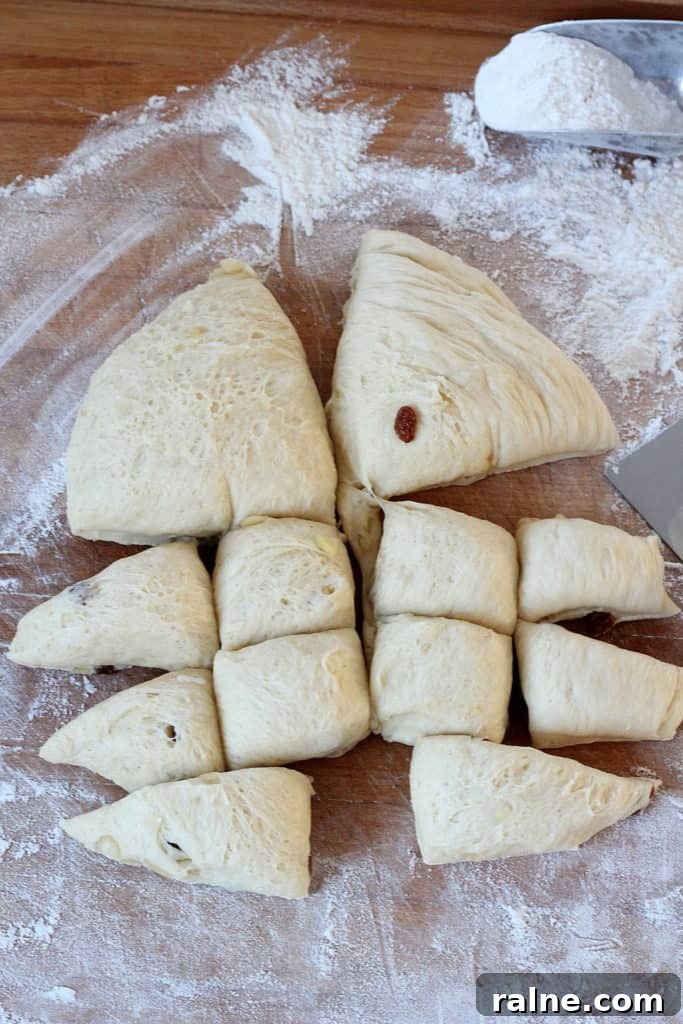
- Divide the dough without rolling it out. Cut into 4 quarters, then cut each quarter into 5 pieces for a total of 20 pieces.
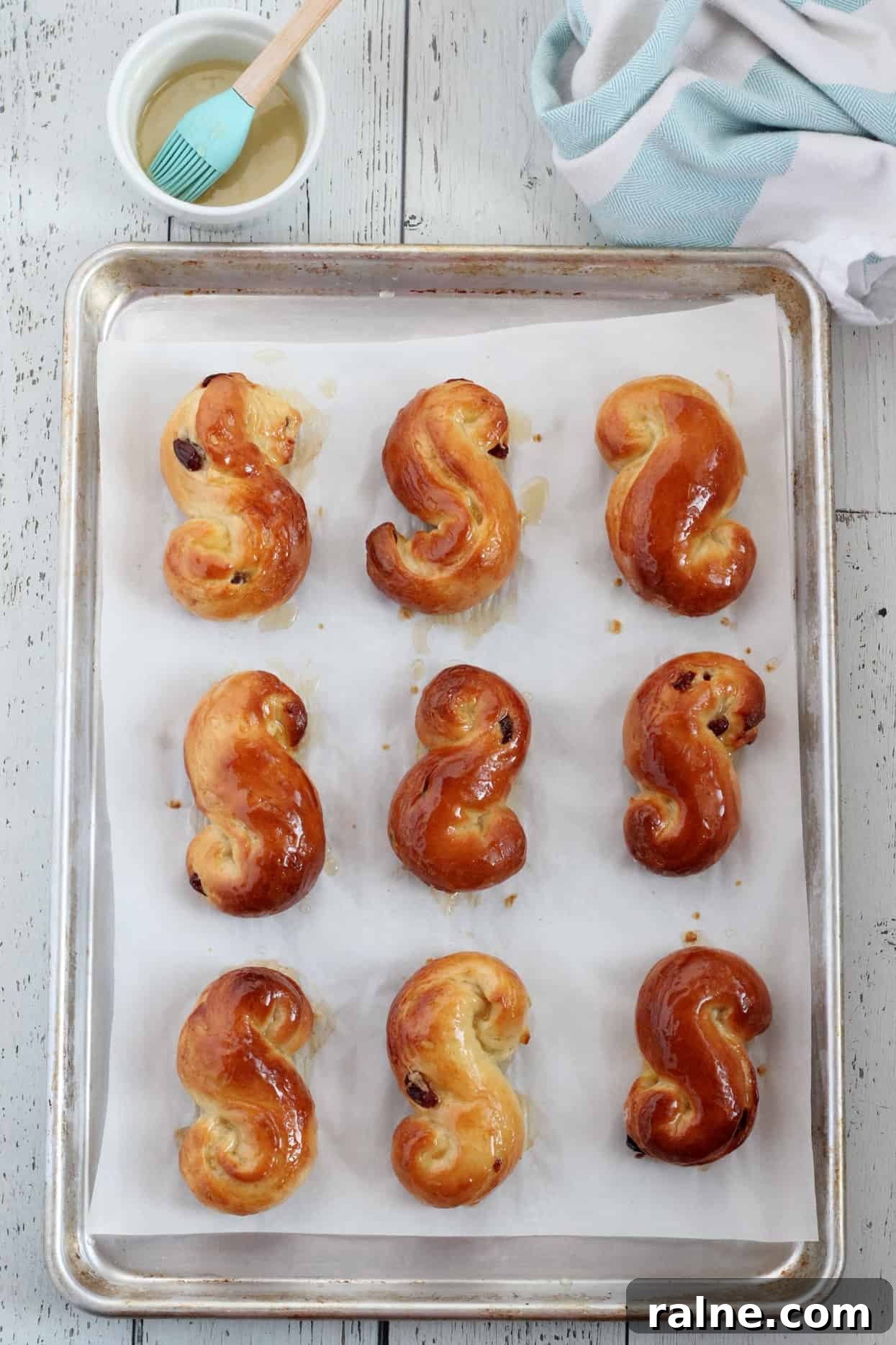
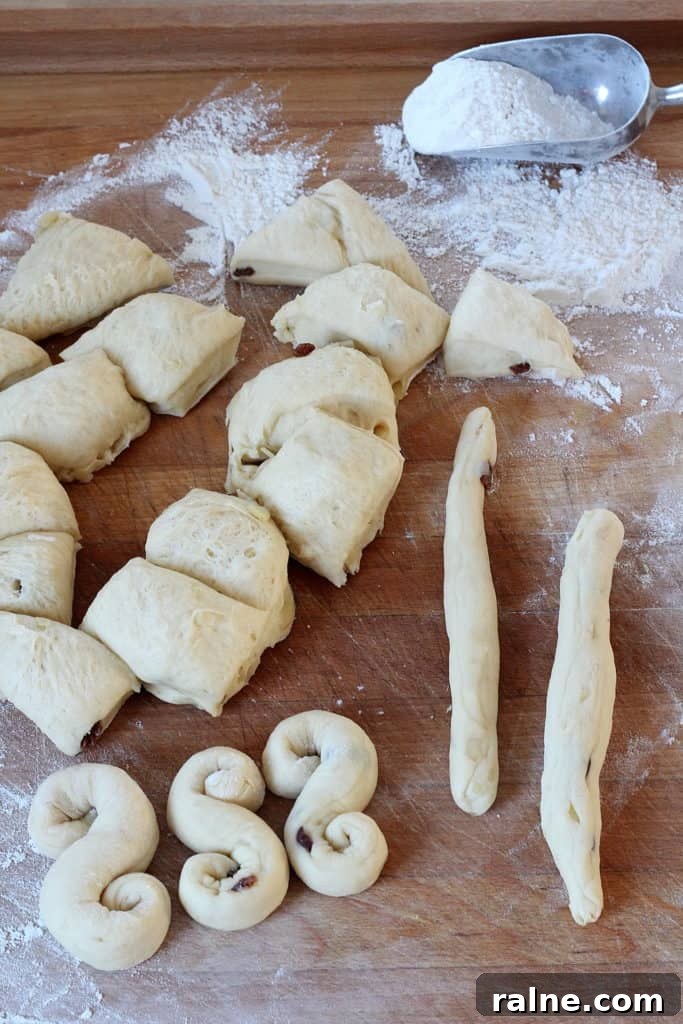
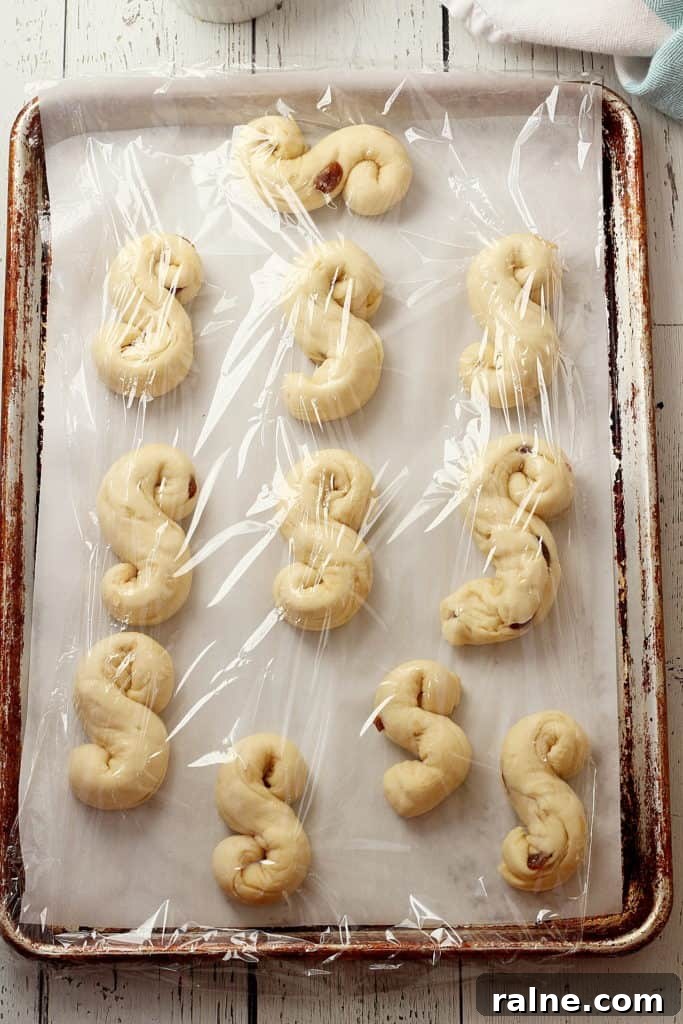
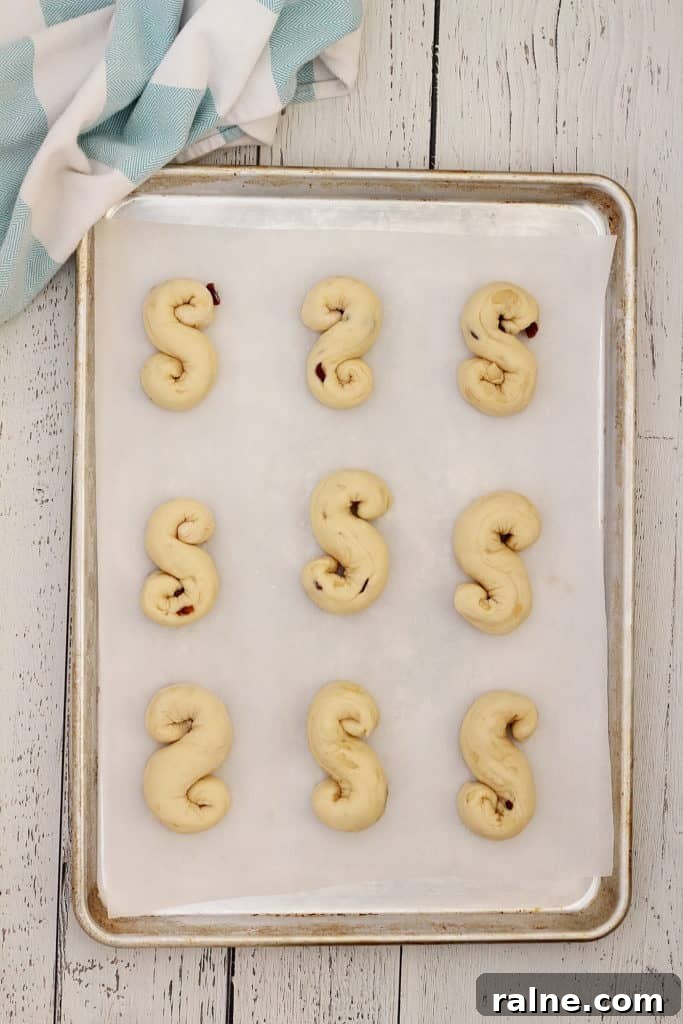
- Shape: Roll each piece into a rope about 20–25 cm (8–10 inches) long and form an S shape. Place on parchment-lined baking sheets; the batch fits on two sheets.
- Second proof: Cover and let the shaped buns rise for about 20 minutes or until puffy. Preheat oven to 180 °C (350 °F), rack in middle position.
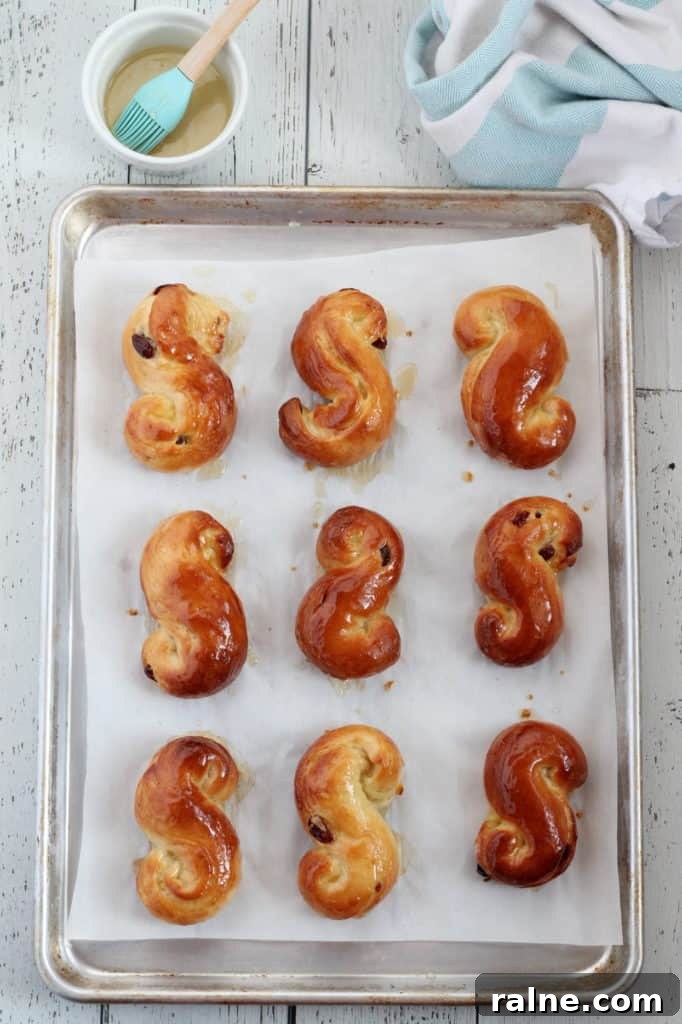
- Egg wash and bake: Brush with an egg wash made from 1 beaten egg and 2 tbsp water. Bake 15 minutes until golden. If baking two trays at once, rotate them halfway and add 1–2 extra minutes to the bake time.
- Honey drizzle: Warm honey with butter (about 30 seconds in the microwave), stir and brush the hot buns all over, including the sides.
- Cool and serve: Let the buns cool on the tray 5–10 minutes. Serve warm plain or with butter or jam.

Tips to make the best sweet brioche buns
Shapes and handling
Brioche can be shaped many ways—round, S-shaped, rolls or palmiers. For these Easter buns, the S shape is traditional. Avoid over-flouring the work surface: a slight tackiness helps you roll the ropes without slipping and gives better control.
Proving the dough
A comfortable room temperature of about 22 °C (72 °F) is ideal for rising. Keep the dough covered and protected from drafts and direct sun. This recipe requires two proofs: one before dividing and one after shaping.
Making the dough ahead
Unbaked brioche dough can be unpredictable to freeze because of its fat content. If you choose to freeze it, do so after the first rise and use within 10 days. A more reliable method is refrigerating the dough overnight after the first proof; then shape, proof and bake the next day.
Storing the buns
Baked buns stay fresh about two days at room temperature if stored in plastic wrap, a zip-top bag or an airtight container. Cool completely before sealing to avoid condensation that speeds spoilage. You can also freeze baked buns for up to three months and briefly reheat them in the microwave until soft (about 10 seconds).
More Easter recipes
- Mini Kuglof Alsatian brioche
- Mini Easter tarts with cheesecake filling
- French madeleines shaped like bunnies
- Creamy rabbit stew with white wine
- Mazanec, Czech Easter sweet bread
“This post may contain affiliate links.”

Easter sweet brioche bun Jidase
Julia
Pin Recipe
Ingredients
For brioche dough
- 4 ⅓ cup (500 g) all purpose flour
- 5 tbsp (70 g) unsalted butter room temperature
- 2 large egg yolks
- 1 ¼ cup (300 ml) whipped cream 35% lukewarm
- ⅓ cup (80 g) fine sugar
- 1 tsp (7 g) dry instant yeast (25 g) fresh yeast
- ½ tsp (6 g) salt
- 1 tsp (2 g) lemon zest
- 1/2 cup (80 g) raisins
- 1/2 cup (80 g) blanched almonds sliced
For egg wash
- 1 large egg
- 2 tbsp (30 g) hot water
For honey drizzle
- 2 tbsps (43 g) honey
- 1 tbsp (15 g) unsalted butter
Instructions
For the dough
- If using fresh yeast, prepare the starter as described above and let it bubble for about 10 minutes. If using instant yeast, mix it with the flour in the next step.
- In the mixer bowl combine flour, sugar, lemon zest and salt. Add the yeast (starter or instant) and the egg yolks. Mix on low speed while slowly adding lukewarm whipping cream until the dough begins to come together.
- Add room-temperature butter spoon by spoon. The dough will go from crumbly to sticky to elastic. Knead on higher speed for 5–10 minutes until it pulls away from the bowl. Stir in raisins and sliced almonds briefly.
- Turn the dough onto a floured surface, shape into a ball, place back in the bowl and cover. Let rise in a warm, draft-free spot until doubled, about 1 hour.
- Divide into 20 pieces without rolling the dough flat. Roll each piece into a 20–25 cm (8–10 in) rope and shape into an S. Place on parchment-lined baking sheets.
- Cover and let rise another 20 minutes while you preheat the oven to 180 °C (350 °F).
For egg wash
- Brush with beaten egg mixed with 2 tbsp water. Bake for 15 minutes on the middle rack until golden. If baking two trays, rotate them halfway through and add 1–2 minutes if needed.
For the honey drizzle
- Warm honey with butter, stir and brush onto the hot buns, covering sides as well.
- Allow buns to rest on the baking sheet 5–10 minutes. Serve warm plain or with butter or jam.
Notes
Storing: Cool completely before storing in plastic wrap, a zip-top bag or airtight container. Store at room temperature up to two days or freeze up to three months. Reheat briefly to restore softness.
*Calories are an estimate and provided for guidance only.

This post may contain affiliate links. Read our disclosure policy.