Moving can be stressful, and packing the kitchen is often the most time-consuming part. Below are practical, proven tips to help you pack kitchen items efficiently and protect them during the move.
Kitchen Packing Tips
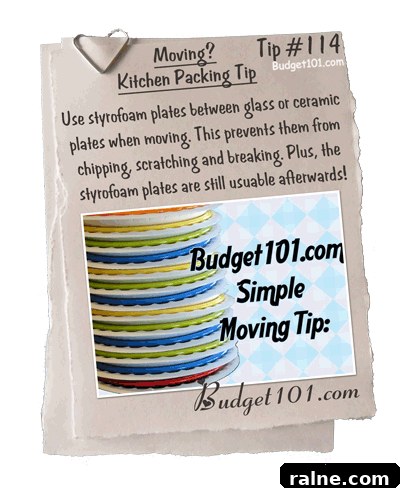
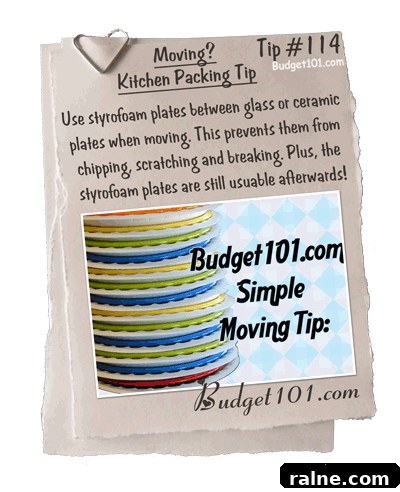
One simple trick to protect plates and glass bowls is to place a disposable foam or paper plate between each one. Many moves benefit from using inexpensive disposable plates or bowls as packing separators. Once you arrive, you can reuse the disposable plates while you get settled and avoid immediate dishwashing.
Another helpful tip for silverware: remove the drawer liner, load the silverware into the liner, and wrap the whole thing in plastic wrap. This keeps utensils organized and ready to slide back into the drawer at your new home.
Create an Arrival Box
Prepare a clearly labeled “First Day Essentials” box or bucket. Include essentials such as toilet paper, paper towels, disinfectant wipes, a small set of plastic utensils and plates, hand soap, a hand towel, simple snacks, scissors or a utility knife, a compact first-aid kit, and a flashlight. This box will be the first place you check when you can’t find items right away.
Many households also pack a second essentials box with immediate-use items like a coffeepot, coffee, creamer, and a few mugs—useful to ensure your morning routine survives moving day.
Stock Pots & Kettles
For large pots and kettles that don’t nest well, maximize space by filling them with pantry items such as spices, canned goods, or dry goods. Layer a clean dish towel or hand towel between item layers to protect both the cookware and the contents. This keeps towels clean and uses otherwise wasted space inside bulky items.
Tape Covers On
If you’re moving only a short distance, tape the caps of liquid cleaners, soaps, and similar containers to prevent leaks. For long-distance moves it may be more practical to give away or dispose of such items rather than pay to transport them.
Packing Other Breakables
Breakables don’t require specialized packing paper if you use clean linens you already own. Wrap glasses, mugs, and specialty dishes in clean hand towels, kitchen towels, or socks. These textiles cushion fragile items and reduce the number of boxes you need.
Secure Knives
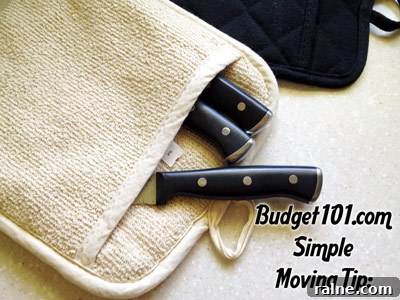
Wrap knives in pot holders or wrap the blades with protective material before packing so no one is cut while loading or unpacking.
Don’t Overload Boxes
Check box weight as you pack—lift periodically to make sure boxes are manageable. Just because items fit doesn’t mean a box should be packed to its capacity; heavy boxes increase the risk of injury and box failure. Keep heavier items in smaller boxes and lighter, bulkier items in larger boxes.
As you empty drawers and cabinets, leave doors and drawers open after packing so you can double-check that nothing was missed.
Final Reminders
Label boxes clearly by room and contents, and note if a box contains fragile items. Group similar items together and use towels, linens, and clothing as padding to reduce the need for extra packing materials. Taking a few extra minutes to pack thoughtfully will help ensure fragile kitchen items arrive at your new home intact and make unpacking faster and less stressful.
Related Topics
- Moving on a Budget – Tips for saving money while relocating, including truck rental and packing strategies.
- Clothing Packing Tips – Efficient ways to pack clothing for moves of any size, including college moves.
- Packing Moving Boxes and Pods – Best practices for packing boxes and loading pods to protect belongings and maximize space.