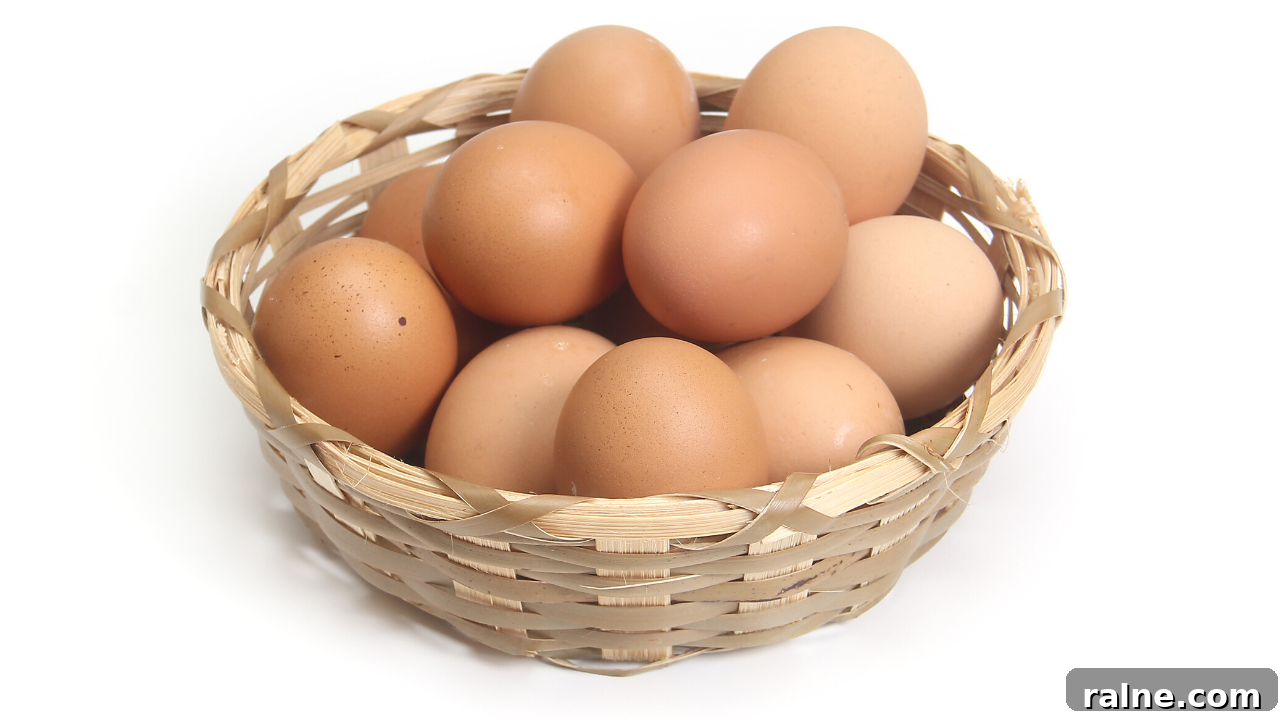
Bring the eggs to room temperature before starting. I usually leave them on the counter for 20–30 minutes or until the shells no longer feel cold. This step is important: using cold eggs can prevent the yolks from warming properly, which increases the risk of bacterial growth.
Place the room-temperature eggs in a saucepan and add enough water to fully cover them. Ensure each egg is completely submerged.
Heat the pan over medium heat for about 5–7 minutes, or until small bubbles form on the bottom. Maintain a water temperature around 140–142°F (60–61°C); do not let the water boil, as boiling will start to cook the eggs.
Turn off the heat and leave the pan on the warm burner. Let the eggs sit in the hot water for an additional 3 minutes, keeping the temperature at or below 142°F. If the water begins to boil or exceeds 142°F, remove the pan from the heat immediately.
Drain the eggs and rinse them under cold running water until they are completely cool. Use the eggs right away or store them in an airtight container in the refrigerator for up to one week.
Simple Egg Wash
To make an egg wash, whisk together 1 egg and 1 tablespoon of water in a small bowl until fully combined. Using a silicone or pastry brush, apply a very light layer to the surface of your baked goods or bread just before baking for a golden, glossy finish.