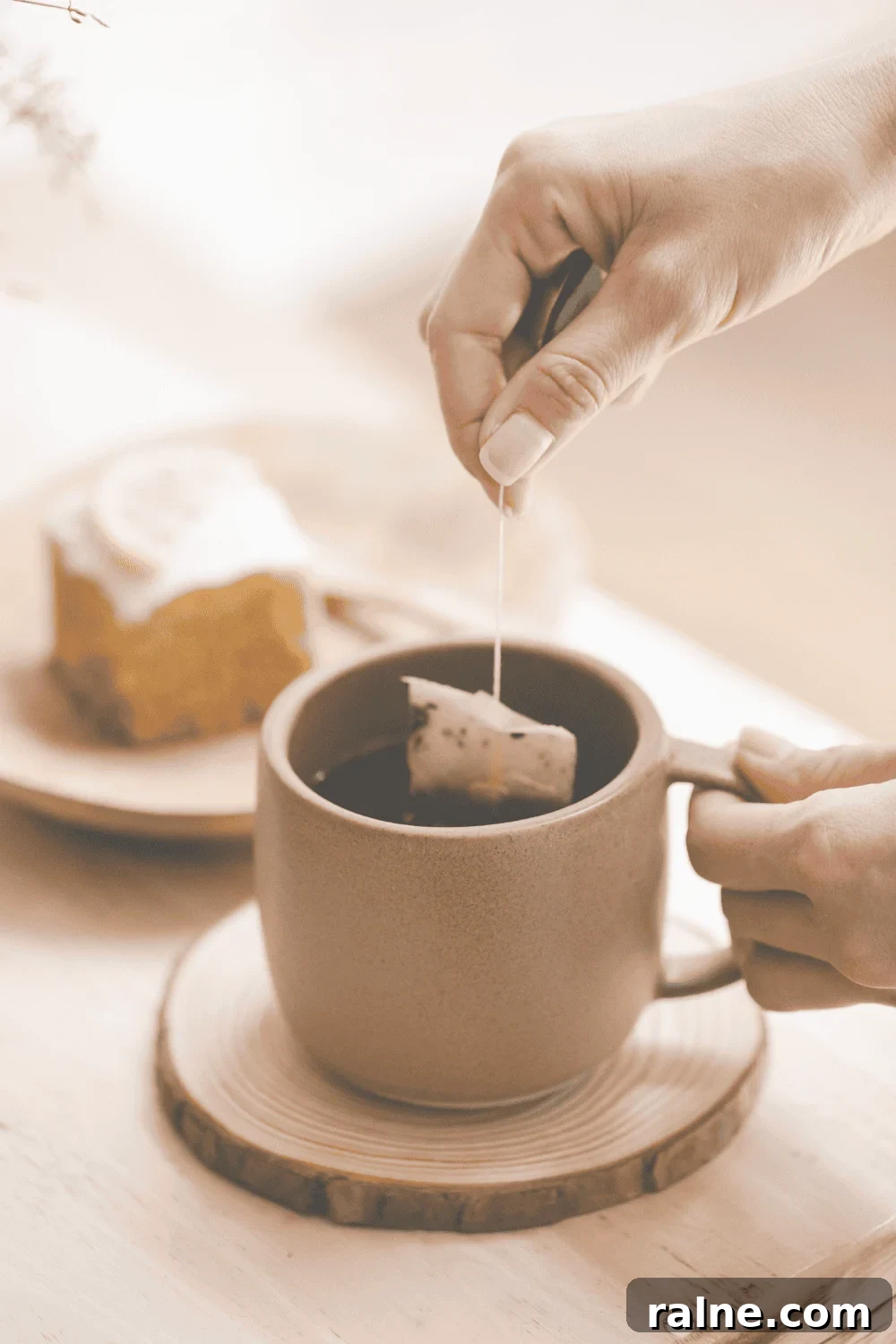
Many tea bags contain plastic. When you steep them in hot water, tiny plastic particles can leach from the bag into your cup—resulting in microplastic-contaminated tea.
We reviewed numerous tea brands to identify those that use genuinely plastic-free tea bags and to point out brands that still rely on plastic or bioplastic components. This guide also explains why you should be cautious about tea bags made of “plant-based plastic” or labeled compostable without clear details.
What this guide covers:
- WHY Do Tea Bags Contain Plastic?
- Don’t Get Duped by Greenwashing
- Some paper tea bags still contain plastic components.
- Beware of “bioplastics.”
- “Biodegradable” doesn’t always mean “plastic-free.”
- PLA is the most common bioplastic used by tea companies.
- These Brands Use 100% Plastic-Free Tea Bags
- Stash
- The Republic of Tea
- Traditional Medicinals
- Yogi
- Numi
- Bromley
- Bigelow
- Equal Exchange
- Luzianne
- 365 & Allegro
- These Tea Brands Didn’t Quite Make the Cut
- Or, Just Go With Loose Leaf Tea!
This guide contains product recommendations and we may receive compensation if you purchase through certain links. As always, we only make recommendations we genuinely support.
Surveys indicate most U.S. tea drinkers use tea bags: many rely exclusively on them while only a small percentage use only loose leaf tea. Given that common tea bag materials can release microplastics at brewing temperatures, that means a large portion of tea drinkers may be ingesting microplastics without realizing it.
Research has shown that steeping a single plastic-containing tea bag at brewing temperature can shed billions of micro- and nanoplastic particles into a cup. While the full human-health impacts of microplastics are still under study, research links microplastic exposure to a range of concerns in animals and population-level studies, and plastic pollution also poses serious threats to marine ecosystems and wildlife.
WHY Do Tea Bags Contain Plastic?
Tea bags can involve plastic in several ways:
- The bag itself can be made from plastic (common in mesh or pyramid bags).
- A paper bag may have a plastic lining to reinforce or seal it.
- Plastic-based glue or heat-seal materials can be used to hold the bag closed.
Common plastics in tea bags include polypropylene, nylon, and PET, among others.
Don’t Get Duped by Greenwashing
When shopping for plastic-free tea bags, watch for misleading claims and ambiguous materials.
Some paper tea bags still contain plastic components.
Many brands use unbleached paper made from wood pulp or abaca, which can be genuinely plastic-free. However, the paper may still include a plastic lining or be sealed with glue that contains plastic, so inspect ingredient and material descriptions carefully.
Beware of “bioplastics.”
Bioplastics are made from plant-derived feedstocks rather than petroleum. While they can be an improvement over conventional plastics, there is still limited independent data about their manufacturing impacts, possible additives, and long-term behavior. Where truly natural, uncoated, unglued paper options exist, they are generally preferable—especially for products that contact food or beverages.
“Biodegradable” doesn’t always mean “plastic-free.”h3>
The term biodegradable is not strictly defined and does not guarantee that a product is free of plastic. Some materials break down only under industrial composting conditions or over many years, and may fragment rather than fully mineralize. Look for clear material disclosures and certified compostability statements if that’s important to you.
PLA is the most common bioplastic used by tea companies.
PLA (polylactic acid) is frequently used in tea bags marketed as plant-based or compostable. PLA typically requires industrial composting conditions to break down and won’t reliably degrade in a home compost pile. Many brands market PLA-based bags as compostable, which can mislead consumers who lack access to industrial compost facilities. PLA is a step up from petroleum-based plastics in some respects, but it is not the same as simple unbleached paper or abaca fiber.
Some brands that use plant-derived plastics or PLA include: We Are Tea, Brew Tea Company, Teatulia, Bird & Blend Tea Co., Teapigs Tea Temples, T2 pyramid bags, Big Heart Tea Co., The Tea Spot, Red Rose, Rishi, and Mountain Rose Herbs.
These Brands Use 100% Plastic-Free Tea Bags
Below are brands that publicly state their tea bags are free of plastic and that use unbleached paper, abaca, or other natural fibers without plastic linings or sealants.
Stash
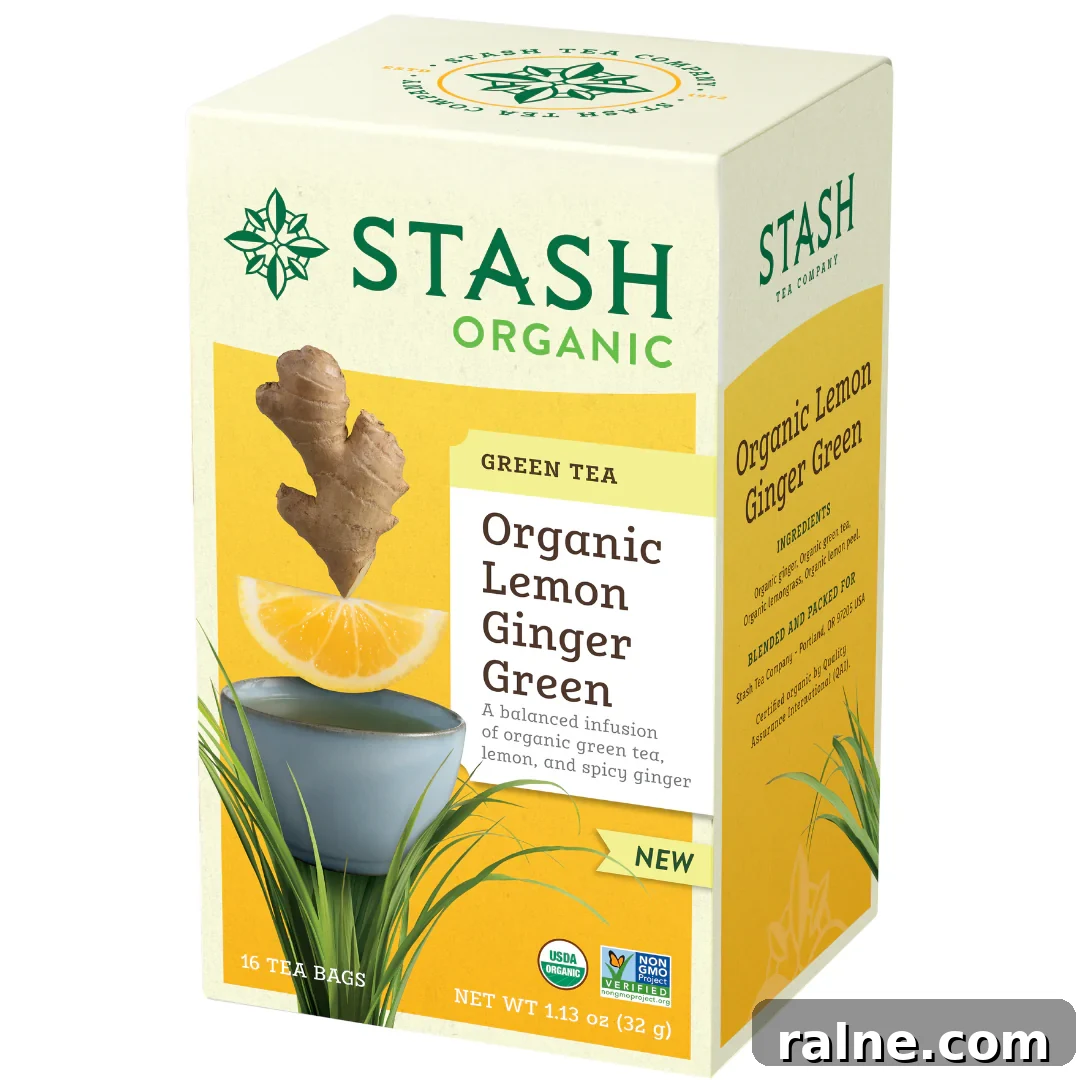
Stash states its tea bags are made from unbleached 100% wood fibers, machine folded and pressed with no glues or plastic sealants. Their bags are compostable and free of plastics. Many of their blends are non-GMO and some are certified organic.
The Republic of Tea
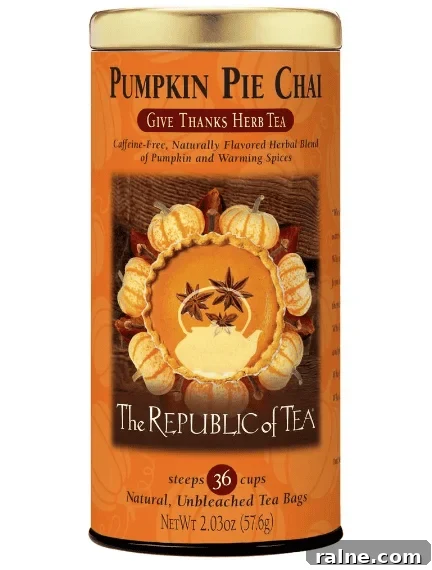
The Republic of Tea uses unbleached tea paper with no glue or chlorine-containing compounds and no plastic in the bag material. Their bags come without excess strings, tags, or staples, and many varieties are available across different styles and flavors.
Traditional Medicinals
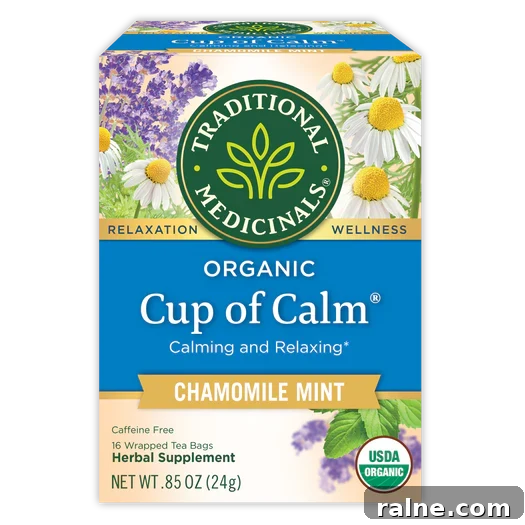
Traditional Medicinals uses wood pulp combined with GMO-free abaca fibers and double-chamber bag construction that eliminates chemical sealants. Cotton strings and FSC-certified paper tags make their bags BPI-certified compostable. The brand emphasizes ingredient purity and sustainability.
Yogi

Yogi uses non-heat-sealable filtration paper made from abaca fibers and wood pulp with no plastic, and the paper is naturally bleached by oxygen. Aside from metal staples used on some packages, their bags are compostable. Many blends are USDA Organic and Project Non-GMO Verified.
Numi
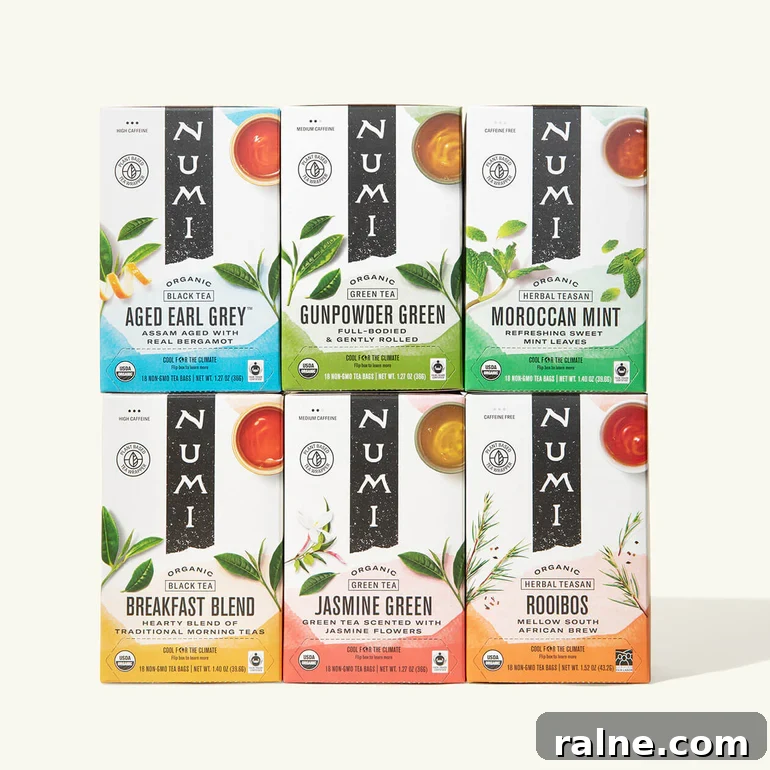
Numi uses unbleached manila hemp fiber for their bags without any plastic. Tags use soy-based inks and recycled materials; strings are cotton. Their bags biodegrade in a normal compost heap and are manufactured without bleach.
Bromley
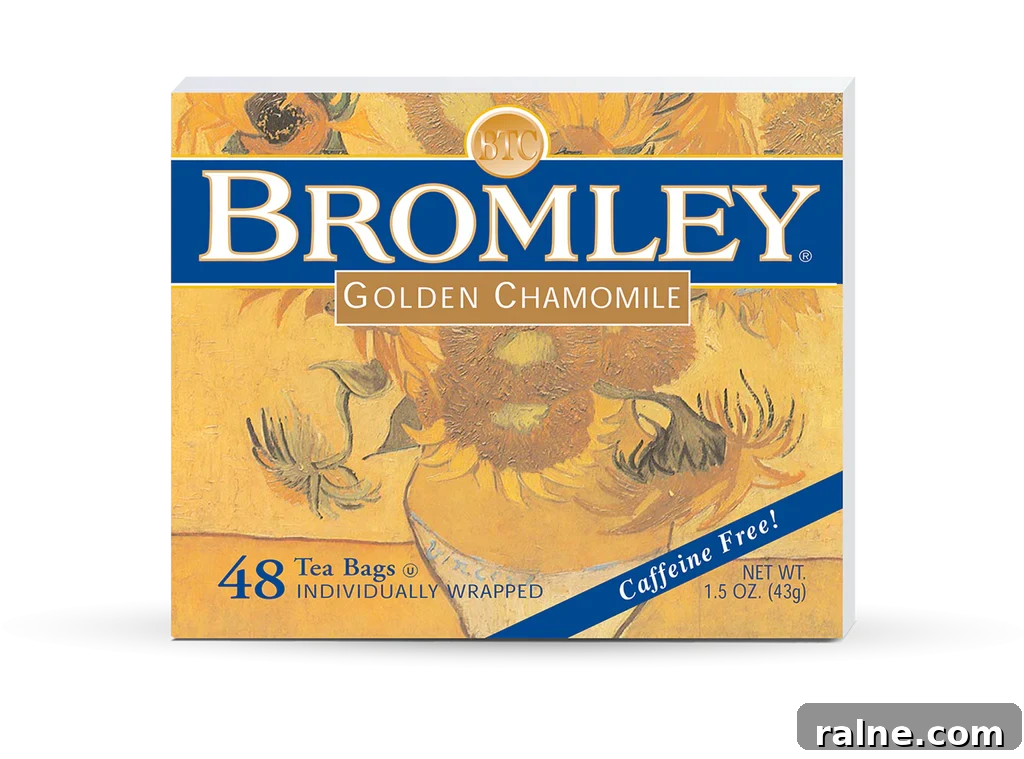
Bromley uses wood pulp for their tea bags and heat-seals them without glue. The company confirms their teabags contain no plastics of any kind.
Bigelow
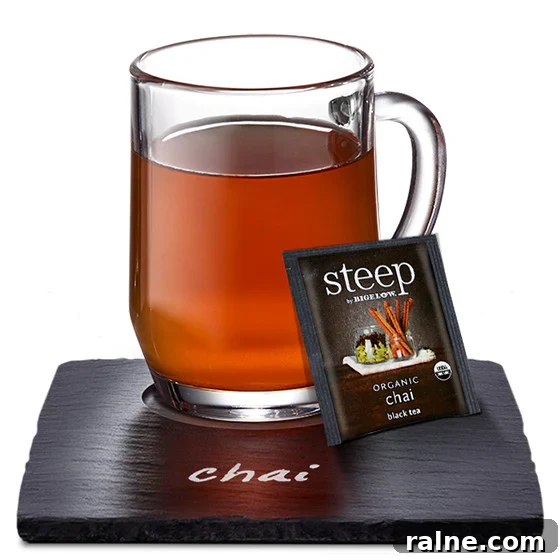
Bigelow states their teabag paper is made from materials like wood pulp and abaca fibers and does not contain plastic. They offer a broad range of tea types; if considering pyramid bags, check product details as mesh-style bags are more likely to contain plastic.
Equal Exchange
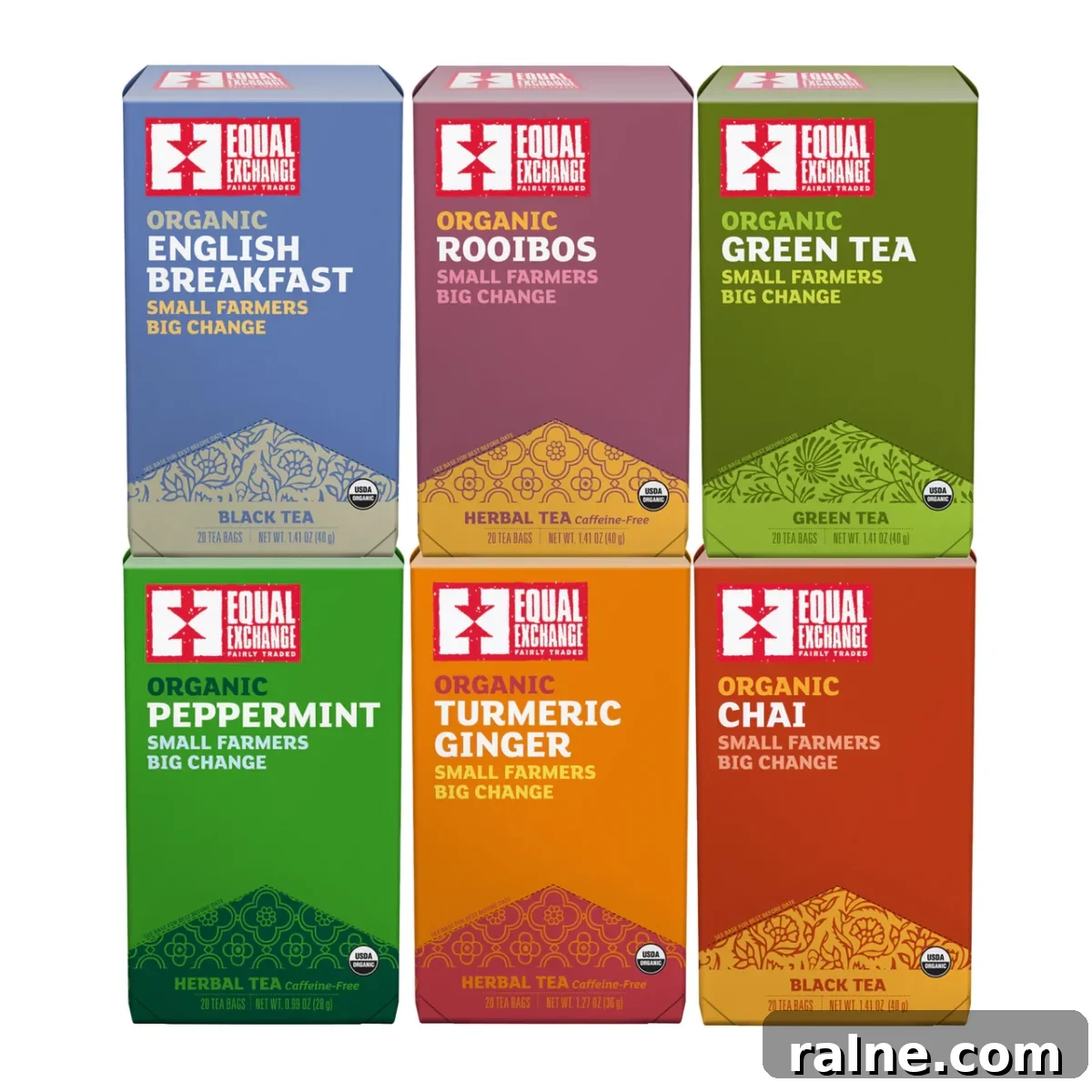
Equal Exchange uses unbleached abaca for their tea bags with organic cotton strings and paper tags printed with vegetable-based inks. Many of their teas are USDA Organic and the company supports fair payment practices for farmers.
Luzianne
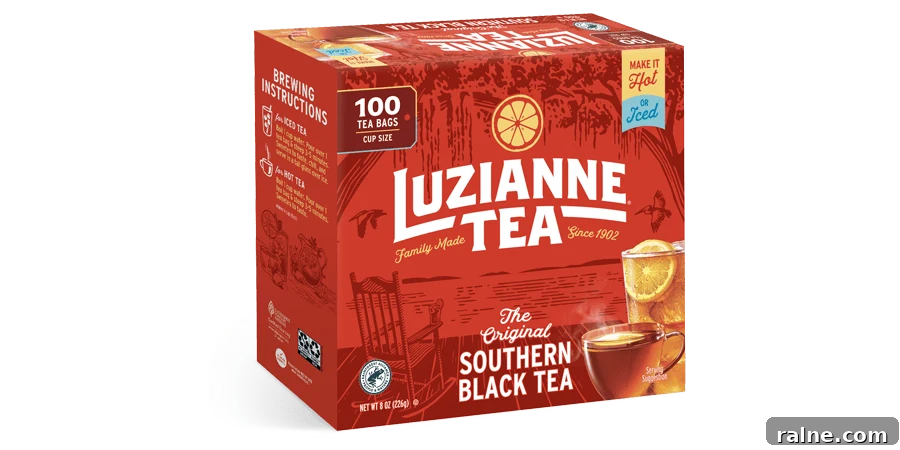
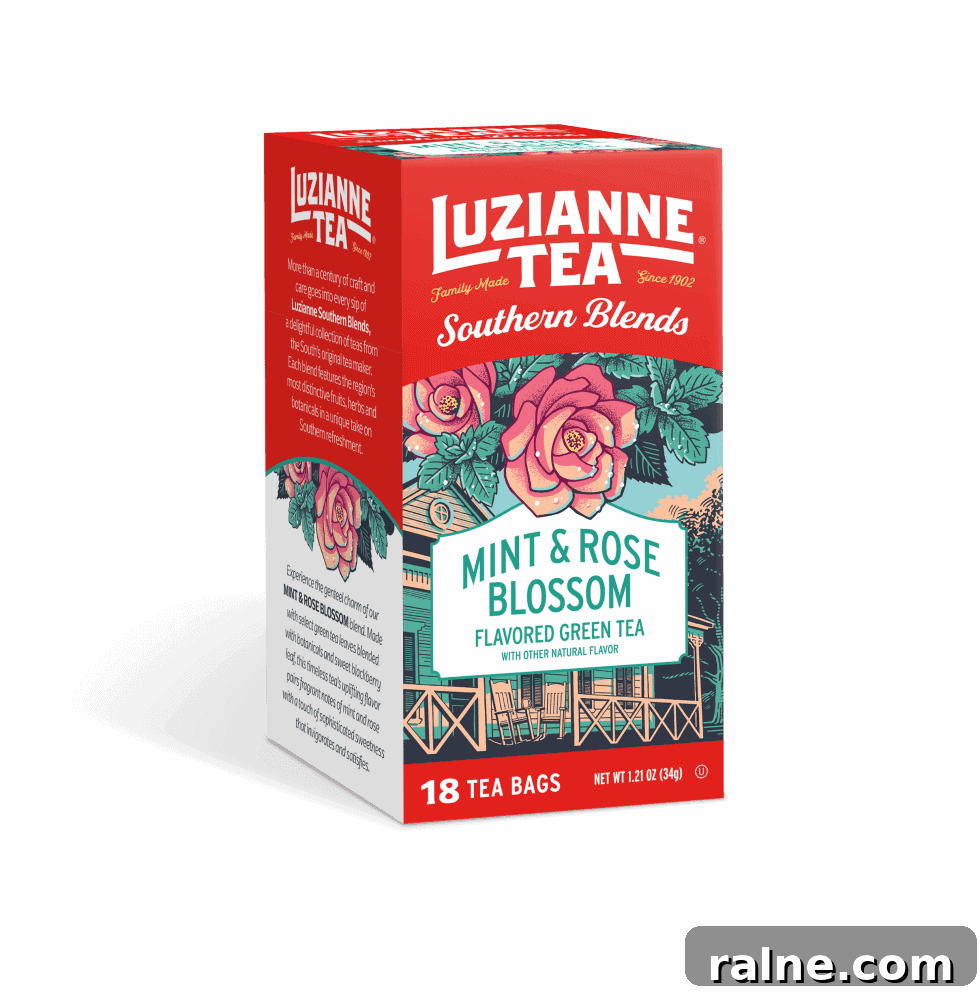
Luzianne reports their tea bags are made from wood pulp and abaca fiber and are plant-based and plastic-free. Some bag sizes are stapled with food-safe staples rather than glued or sealed with plastic.
365 & Allegro
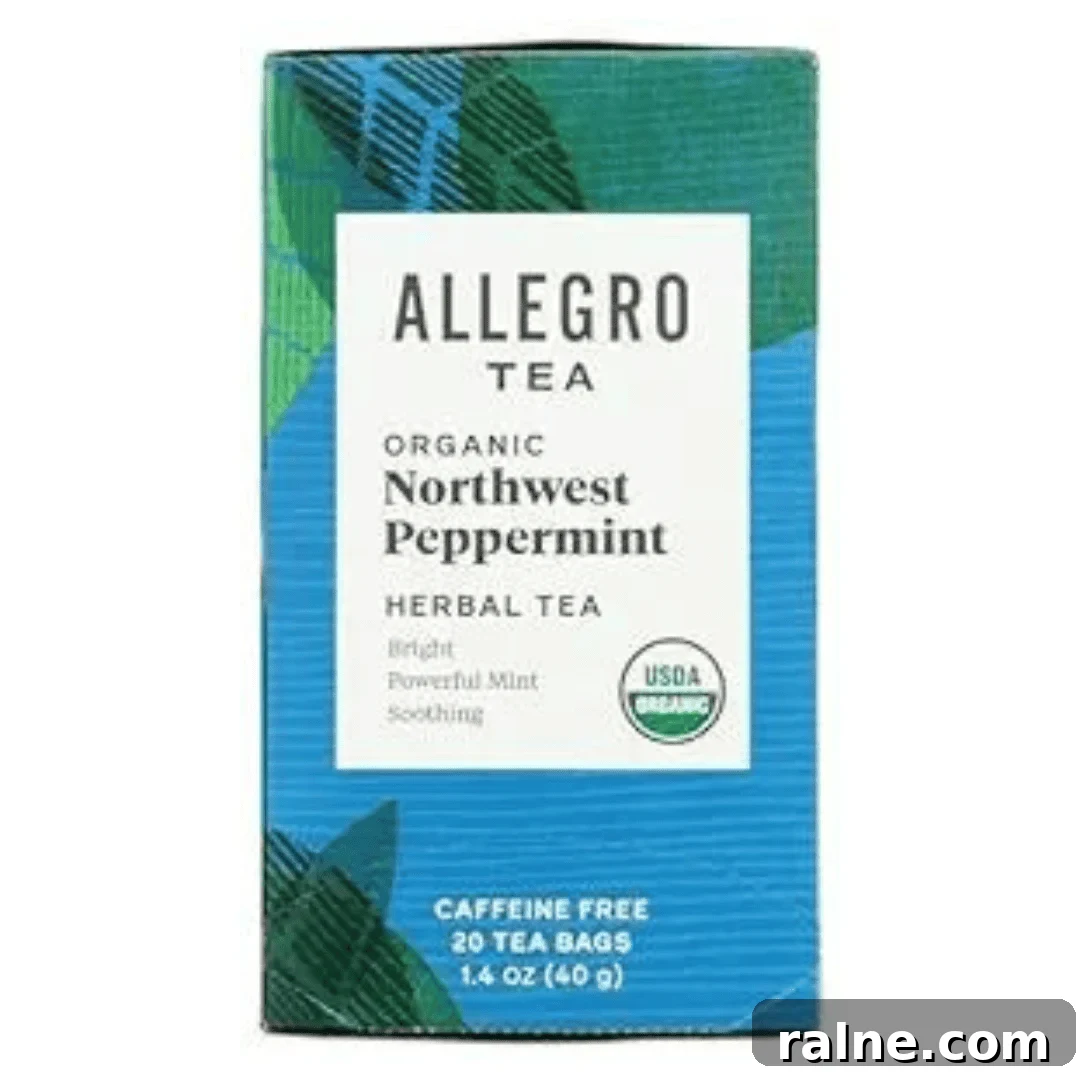
Amazon/Whole Foods brands 365 and Allegro state their tea bags are made of unbleached wood pulp and heat-pressed with no glue. They note a small amount of resin is used in processing but say none remains in the final product. While this suggests they are likely safe, the disclosure is less definitive than brands that explicitly state no plastic components.
These Tea Brands Didn’t Quite Make the Cut
Some well-known brands are ambiguous or use plastic/bioplastic components:
- Pukka: Uses a paper blend with abaca and wood pulp plus a small amount of resin (<1%) to bind fibers.
- Hampstead Tea: Many bags are plastic-free, but two flavors use a thin plastic coating to retain oils—avoid those specific flavors if you want plastic-free tea.
- Rishi: Uses PLA bioplastic for their bags.
- Earth Mama Organics: Bags use wood pulp and abaca but rely on thermoplastic fibers for heat sealing.
- Mountain Rose Herbs: A great source for loose leaf tea, but their tea bags use starch-derived PLA.
- Lipton: Mixed or unclear information; some products may be compostable manila hemp and cellulose, but transparency varies across product lines.
- Newman’s Own: Conflicting information suggests their bags may contain cellulose blended with thermoplastic fibers.
- Twinings: States use of corn starch-derived industrial compostable material, but past testing has detected polypropylene in some samples; transparency varies by product.
- Tetley: Not plastic-free; their bags contain a small amount of plastic for sealing and were found in testing to release significant microplastics.
- Harney & Sons: Transitioning away from nylon toward sugar-cane bioplastic, but not fully plastic-free yet.
- Celestial: Uses polyethylene in their bags.
Or, Just Go With Loose Leaf Tea!
If you want to avoid any uncertainty, loose leaf tea is the simplest way to ensure a plastic-free cup. Many reputable vendors sell high-quality loose leaf teas—some certified organic, others produced using organic methods without certification. Small farms may forgo certification due to cost, so check vendor details if certification matters to you.
Loose leaf brands to consider include Arbor Teas, Full Leaf Tea Co., Rare Tea Company, Heavenly Tea Leaves, The Tea Spot (skip their bioplastic bags), Mountain Rose Herbs (for loose leaf), and Pique (noting Pique’s sachets are aluminum-plastic composite while their tins are a preferred option).
If your favorite brand isn’t listed here, let us know which one and we’ll check their materials and consider adding them. We hope this guide helps you choose safer, plastic-free tea options and understand the differences between paper, bioplastic, and truly plastic-free products.