Declutter – How to Do It
Decluttering matters. I’ve realised I’ve accumulated far more things than I need, and it’s time to take action.
Although I’m not a hoarder, I have plenty of items that are just taking up space. I’ve been reflecting on how much stuff has built up over the years and asking myself: how did this happen, why do I have so much, and do I really need it?
This isn’t only about clothes. Shoes, jewellery, kitchen gadgets, miscellaneous tools and souvenirs — you name it — there’s a surprising amount of things I barely remember owning.
Storage Container — Time to Declutter
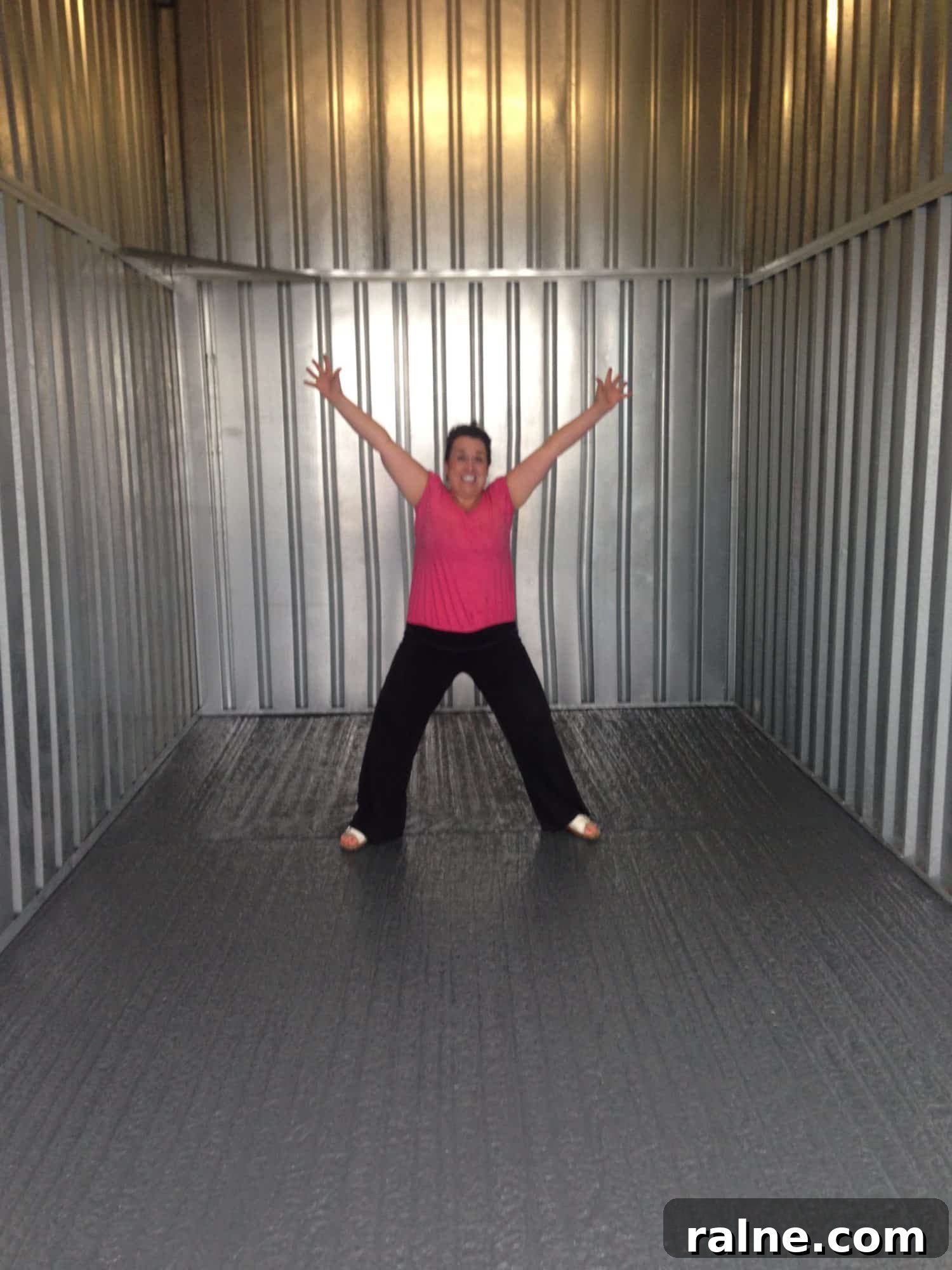
At the moment I’m storing a 40ft container packed to the brim. I sold my house 18 months ago and have been renting since, and I barely remember what’s inside that container. I do know there’s a double bed and some garden tools, and I don’t need the bed.
Now that I’ve bought a new place (fingers crossed), I want to cleanse my life and reduce what I own. Can I do it? The plan is to be ruthless — donate, recycle, shred and responsibly dispose of what I no longer need.
For example, I still have a pair of denim dungarees from university. I won’t wear them again, and they’re just taking up space.
Can I Really Declutter?
Is decluttering that simple? In many ways, yes. We enter this world with nothing and leave with nothing. If everything were gone tomorrow, we would adapt and start again. That thought helps ease the emotional weight of letting go.
Why Do We Hold On?
I’m sure I’m not the only one who struggles with this. I’m gearing up for a major mid-life clear-out — a real cleanse — and I’m actually excited about it. My home doesn’t need enough linen, crockery, cutlery, towels or pantry supplies to run a hotel. I need to be realistic about what truly serves my life.
If an unusually large number of guests did arrive, I could borrow extra items from friends or family. In a pinch, guests could stay elsewhere. That perspective makes it easier to let go.
Many attics, lofts, basements and garages are full of boxes of old tax papers and paid bills because people aren’t sure when it’s safe to discard them. I plan to shred what’s no longer needed and properly recycle sensitive documents.
Likewise, kitchen cupboards, pantries, fridges, freezers and bathroom cabinets often contain expired food, medicines and cosmetics. I’ll go through everything and remove anything past its use-by date or that I no longer use.
Not Becoming a Minimalist — Just Selective
I’m not aiming to become a minimalist. Instead, I want to sift through my belongings and highlight the few items that truly matter — beautiful pieces, meaningful mementos, and things that add real value to my daily life.
I’ll try to resist common excuses: “I might need it someday,” “someone gave it to me,” or “it was expensive.” And I’ll work on stopping the constant inflow of new stuff.
Clearing and reorganising creates a virtuous cycle: a clearer space leads to a clearer mind, and a clearer mind supports better decisions about what to keep.
Practical Approaches I’m Considering
- Set a realistic decluttering schedule: tackle one area at a time (wardrobe, kitchen, paperwork, storage container).
- Use categories: keep, donate, recycle, shred, or sell. Be honest about each item’s value and emotional significance.
- Limit replacements: if you donate a duplicate, don’t replace it unless it’s truly needed.
- Deal with paperwork: shred old documents that are no longer required and file essentials in a clear system.
- Check expiries: clear out food, medicines and cosmetics that are past their use-by dates.
- Try a daily habit: discard or donate one item every day — a simple but effective approach if you can maintain it.
Wish me luck — I’ll report back on how it goes. It will probably be challenging, but it should be worth the peace of mind.
Please leave a comment — I love hearing other people’s tips and experiences. Do you have any practical advice for decluttering or simplifying life? Thanks, Cx
Are you a worrier? I am. You might also enjoy related posts about managing worry and simplifying life.