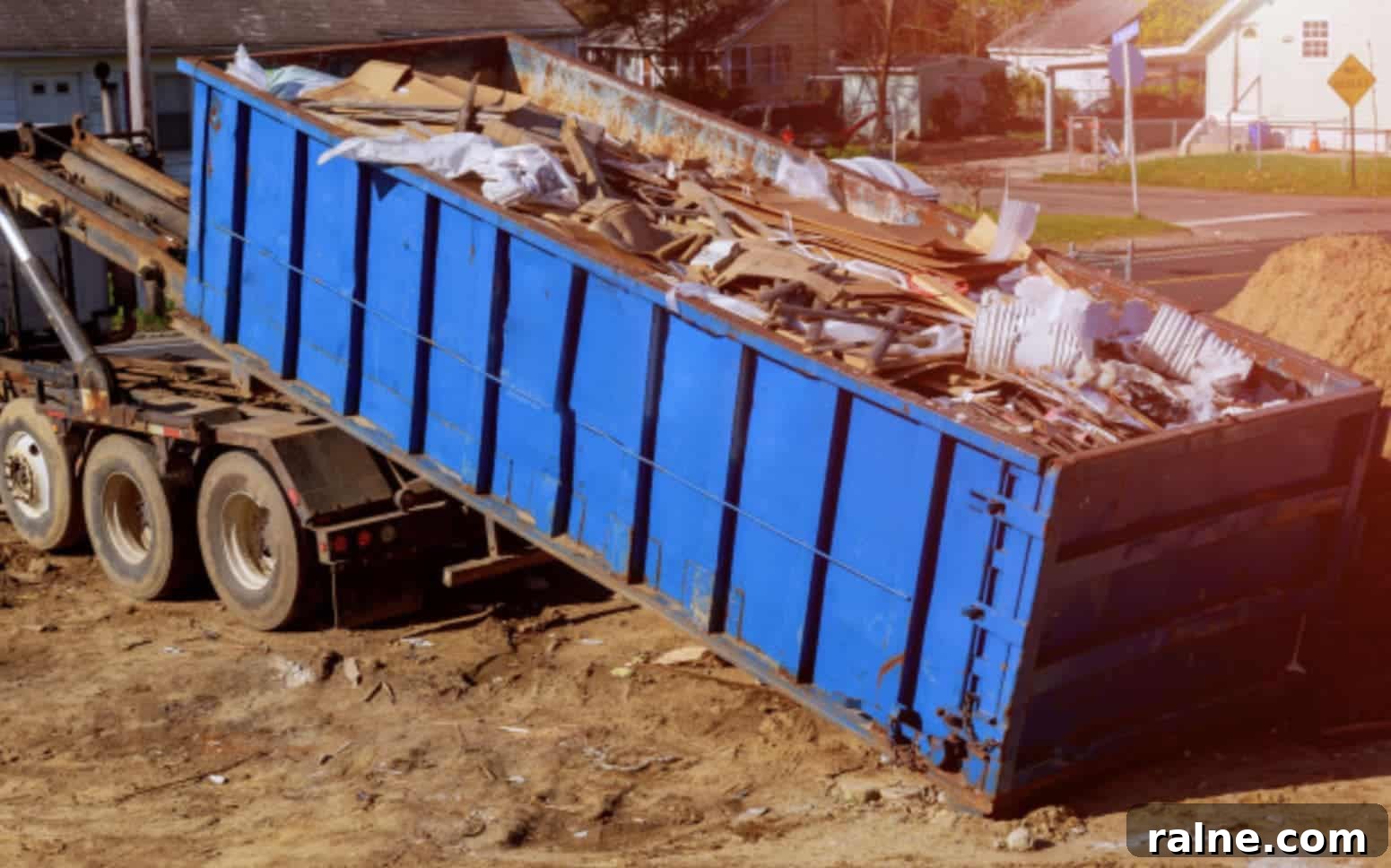
Every construction project produces a significant amount of waste. Industry data indicate that around 30% of building materials delivered to a site can become waste, and more than 75% of materials such as asphalt shingles, wood, clay tiles, bricks, and drywall are still sent to landfills. That volume of waste harms the environment and poses risks to human health and safety.
Effective construction waste management reduces environmental impact, improves site safety, and lowers disposal costs. With consistent practices for sorting, reusing, and disposing of materials, projects can limit waste and save money. Below are practical and actionable tips for proper construction waste disposal.
Develop a construction waste management plan
A construction waste management plan defines how materials and debris will be handled throughout a project. A clear plan should list the types and estimated quantities of waste expected, available recycling and disposal options, and the roles and responsibilities of staff. A well-designed plan increases efficiency and reduces unnecessary expenses. Key components include:
- Defined waste management objectives and measurable goals
- Identification of personnel responsible for implementation and compliance
- Training procedures so workers understand sorting, handling, and disposal requirements
- Step-by-step waste handling and processing procedures tailored to the project
Use a professional construction waste removal service
Removing bulky debris, broken materials, and hazardous items can be labor-intensive and dangerous without the proper equipment. Hiring a reputable construction waste removal service brings trained crews and specialized equipment that reduce injury risk and speed up cleanup. Professional services can sort, transport, and route materials to appropriate recycling or disposal facilities, ensuring compliance with regulations and lowering a project’s environmental footprint.
Outsourcing waste removal also streamlines operations by consolidating collection and processing. A single experienced provider can often handle diverse waste streams—wood, metal, concrete, packaging, and hazardous materials—saving onsite staff time and reducing logistical complexity.
Reduce the amount of waste generated
Preventing waste at the source is the most effective strategy. Simple planning choices can drastically reduce surplus materials and damage. Practical approaches include:
- Scheduling material deliveries to align with project phases so items aren’t left in long-term storage where they can deteriorate
- Securing and protecting stored materials from weather and site conditions to prevent spoilage or damage
- Ordering materials in accurate quantities and using standard sizes to minimize offcuts and custom waste
Reuse or recycle construction materials
When reduction isn’t possible, prioritize reuse and recycling. Repurposing materials lowers disposal costs and conserves resources. Examples include reclaiming wood for engineered products, melting and reforming scrap metals, and processing concrete for aggregate. Small creative reuse projects—such as converting scrap metal into garden features or turning leftover tiles into mosaic pieces—also extend material life.
If direct reuse isn’t feasible, selling or donating usable scrap to recyclers and reclamation yards keeps materials out of landfills and may generate some revenue to offset project costs.
Donate materials you no longer need
Many construction items that are surplus to one project are valuable to others. Donating usable materials—such as doors, fixtures, cabinetry, and leftover lumber—supports community projects and non-profit building programs while preventing landfill disposal. Before discarding materials, evaluate whether they can be donated or repurposed.
Conclusion
Adopting thoughtful construction waste disposal practices creates a safer, cleaner site and improves project efficiency. Developing a clear waste management plan, using professional removal services, reducing material waste, recycling and reusing where possible, and donating surplus materials are practical steps that together reduce environmental impact and control costs. Apply these tips to make construction waste management an integral part of your project planning and execution.