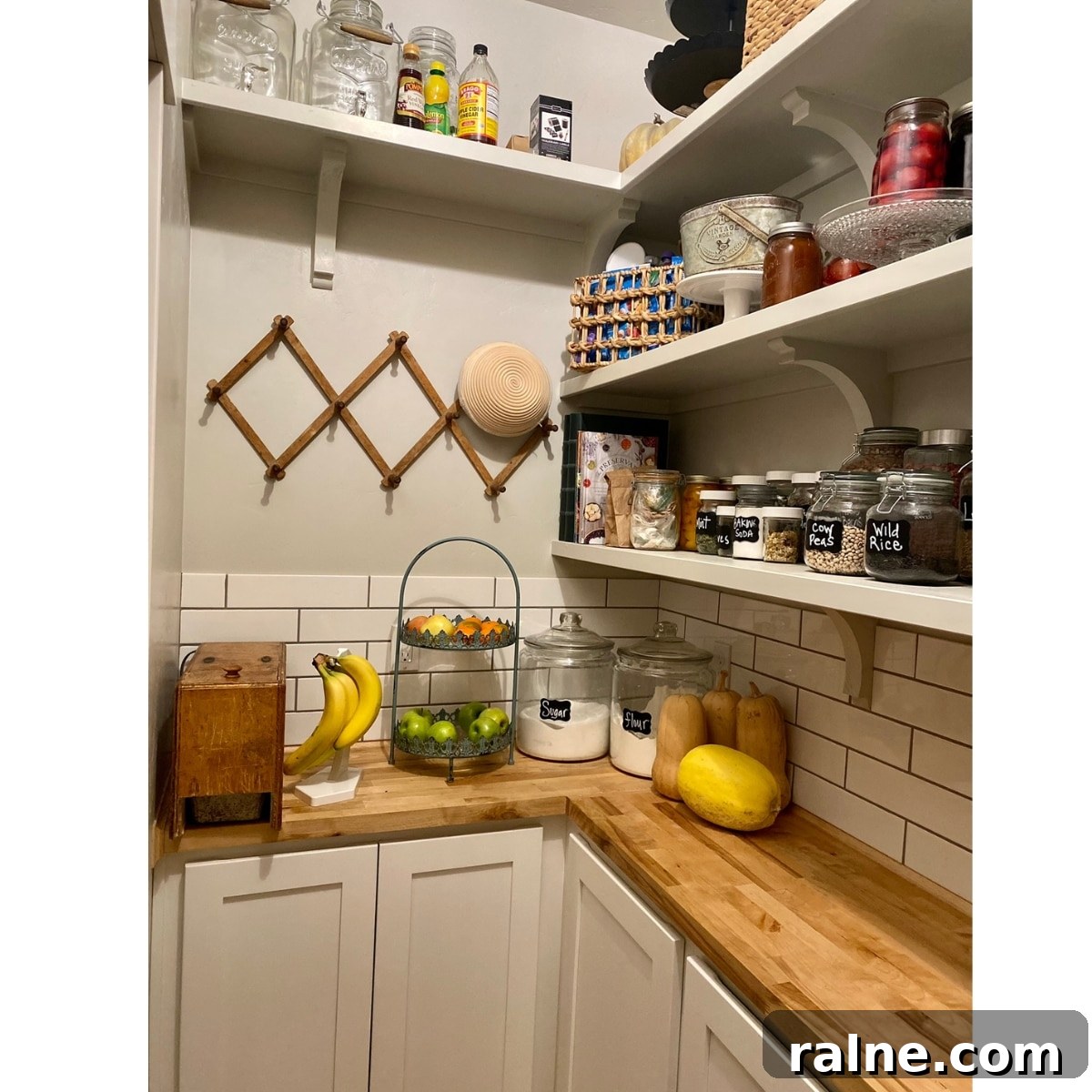
When I pictured a farmhouse kitchen, a pantry was at the very top of my wish list. Not simply a place for storing food, but a warm, lived-in space that feels like the heart of the home. It’s where ingredients that nourish my family live, and where everyday living is celebrated through simple, practical beauty.
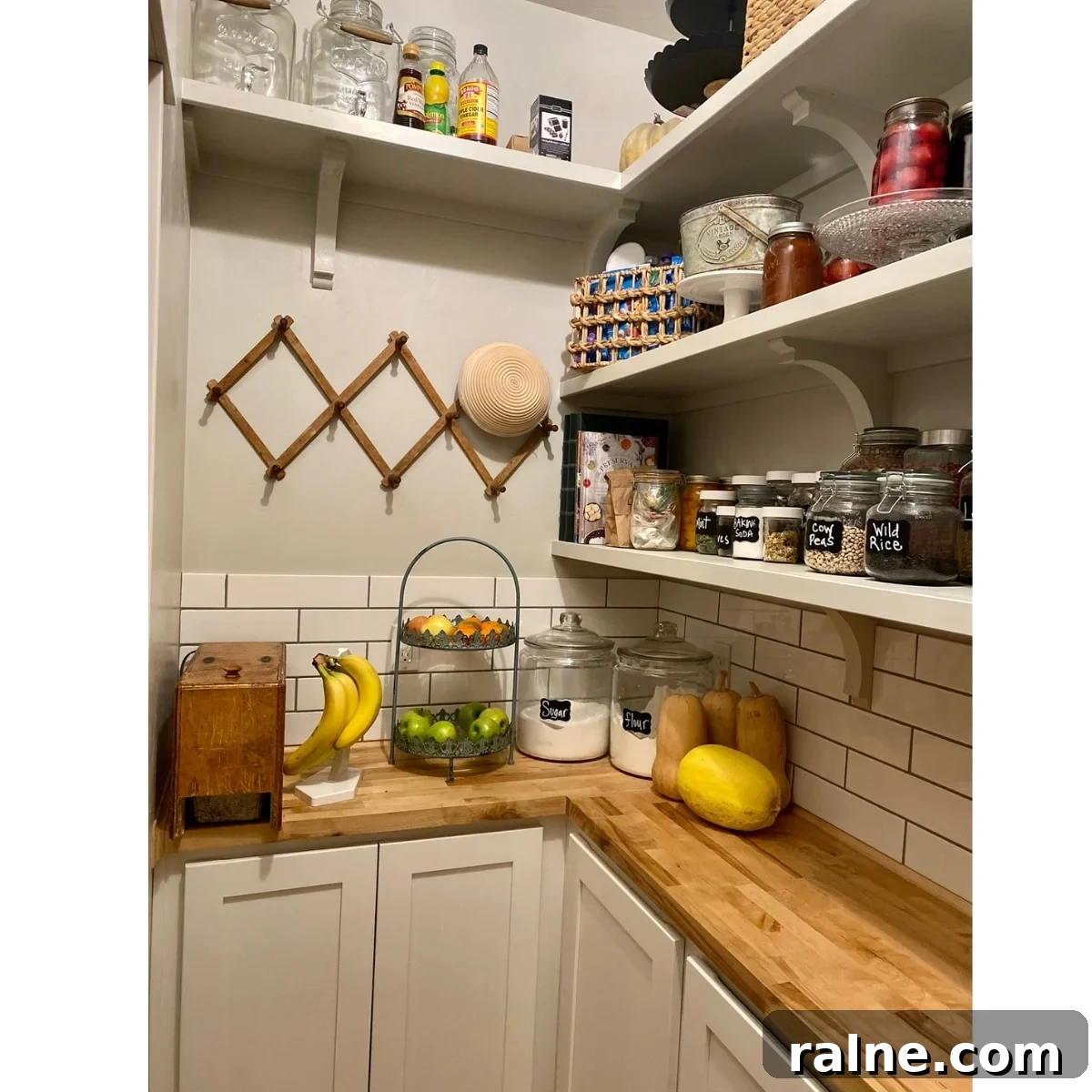
In this post I’ll share how we turned that vision into a functional, attractive farmhouse pantry and the design choices that made the biggest difference. There are countless ways to create a farmhouse look, but the approach we took focuses on practical storage, warm materials, and small details that make the space feel inviting and useful.
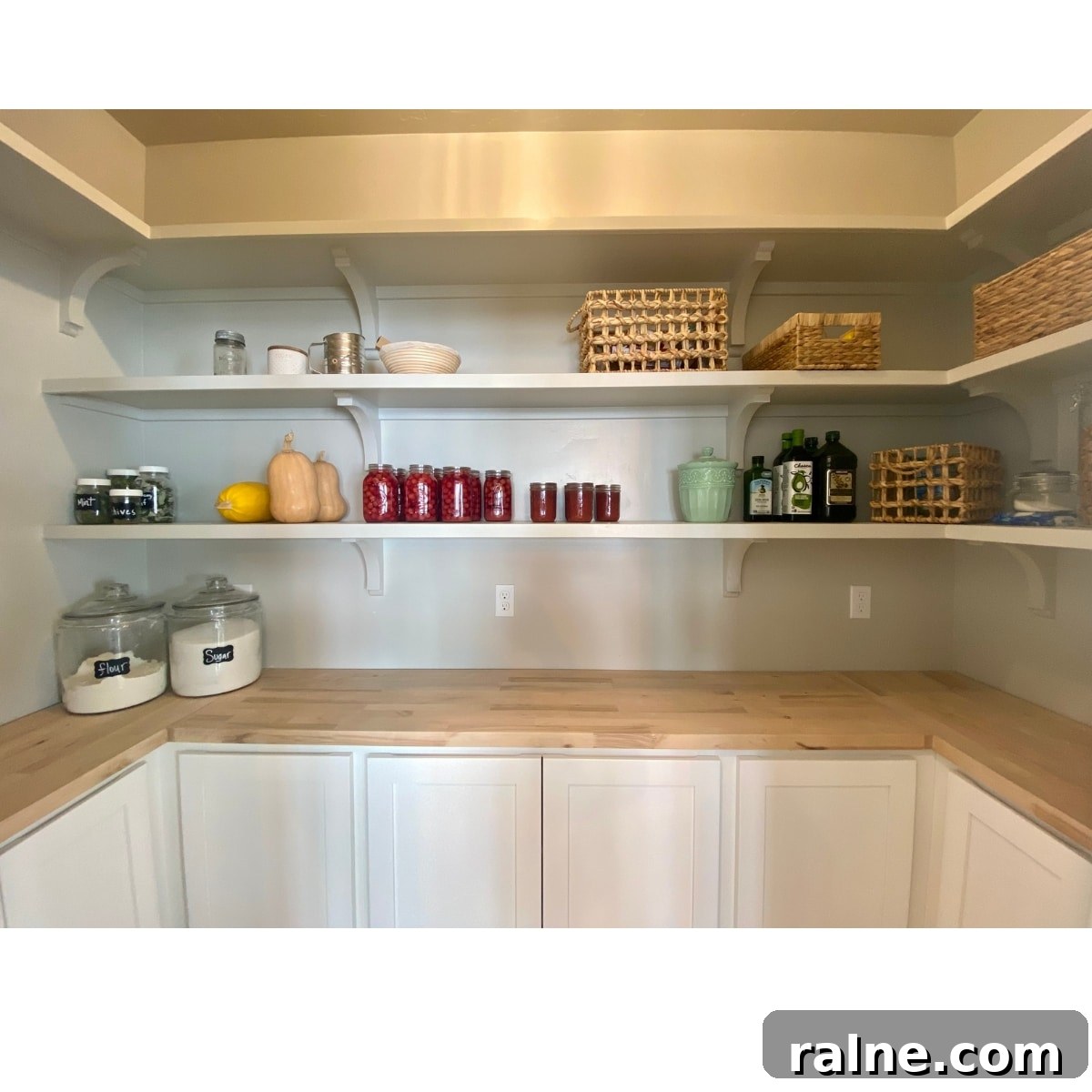
The Foundations of Our Pantry
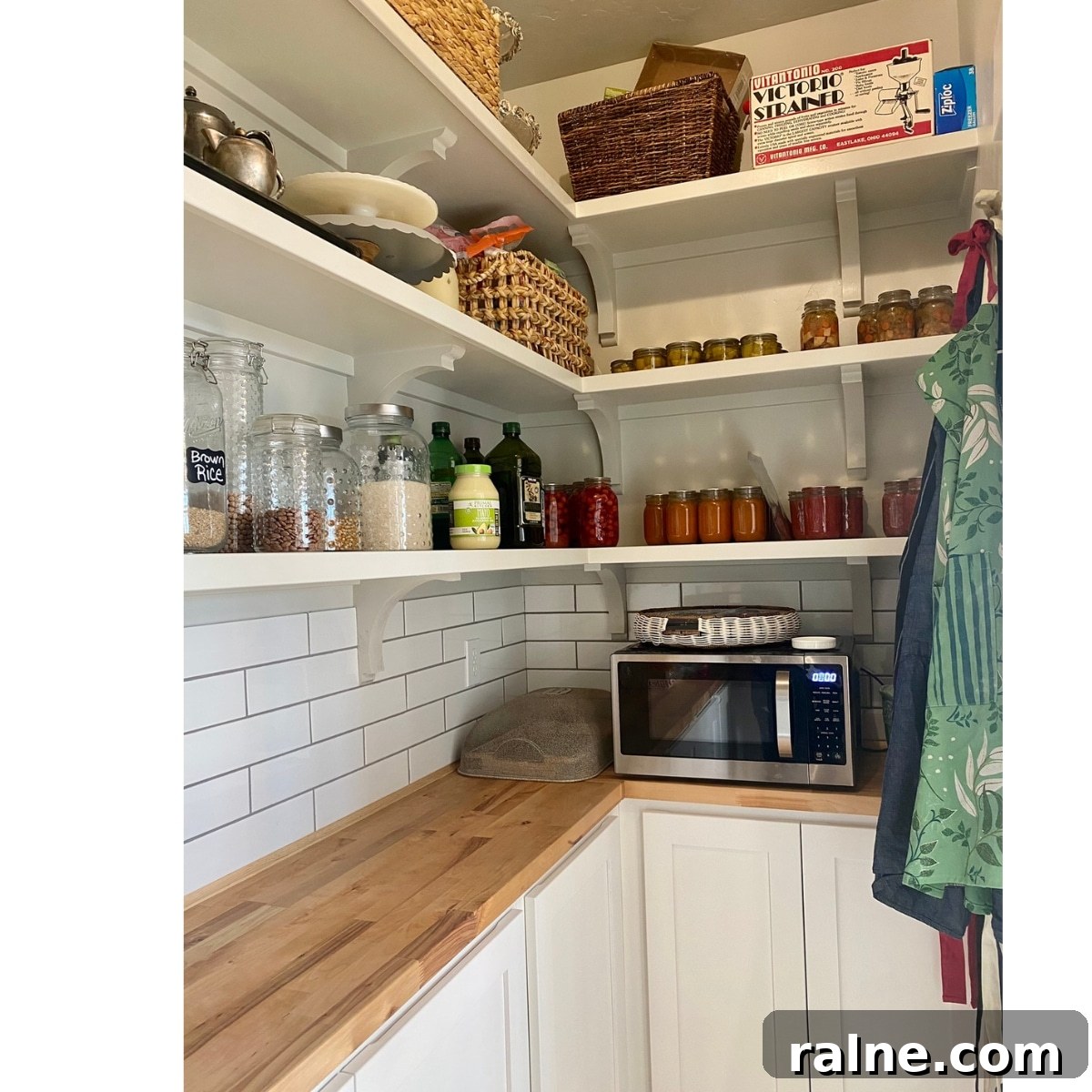
We started with natural, timeless materials. Butcher block countertops and simple white subway tile create a classic, clean base—wood for warmth and tile for brightness. Open shelving supported by corbels contributes an old-fashioned farmhouse feel while keeping everything visible and within reach.
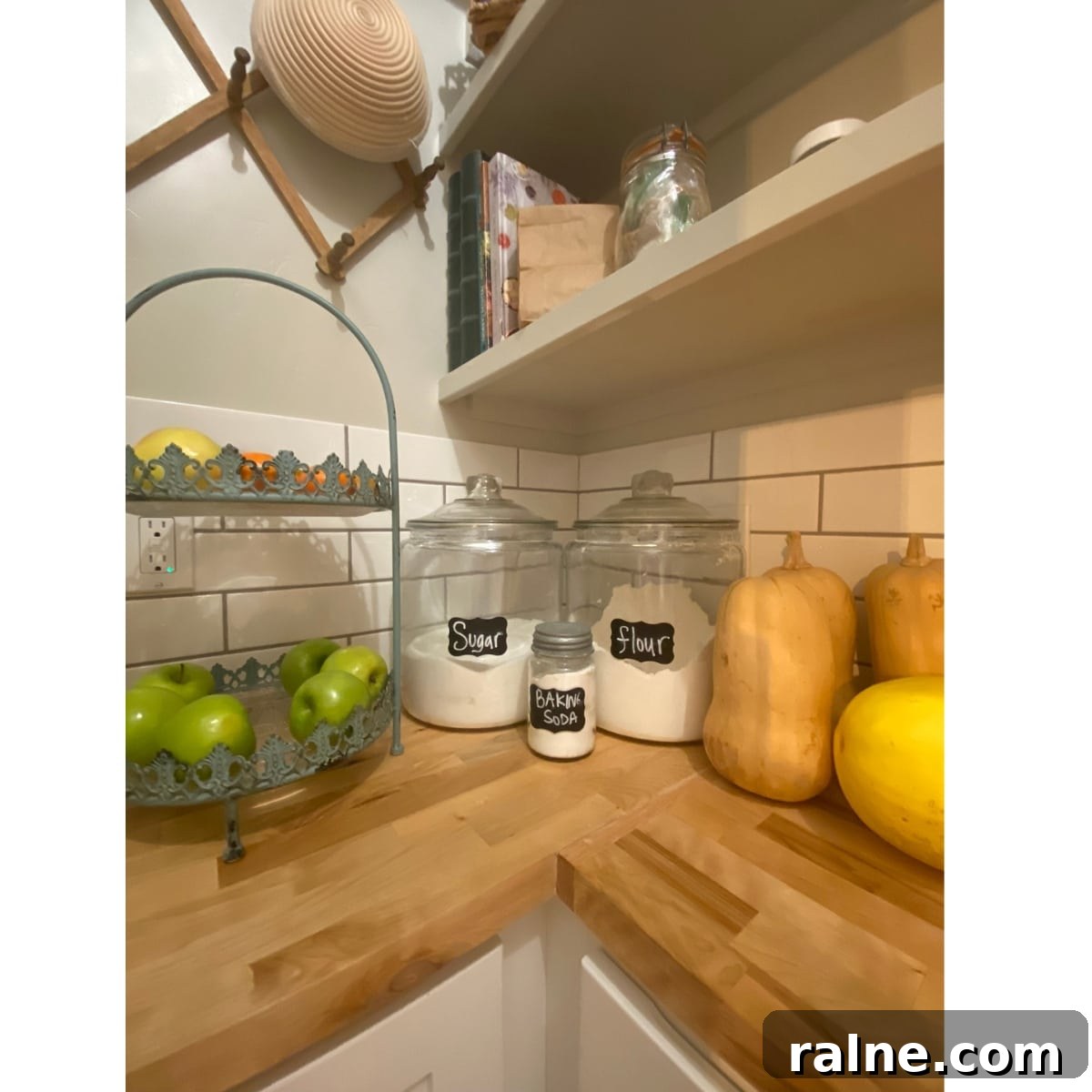
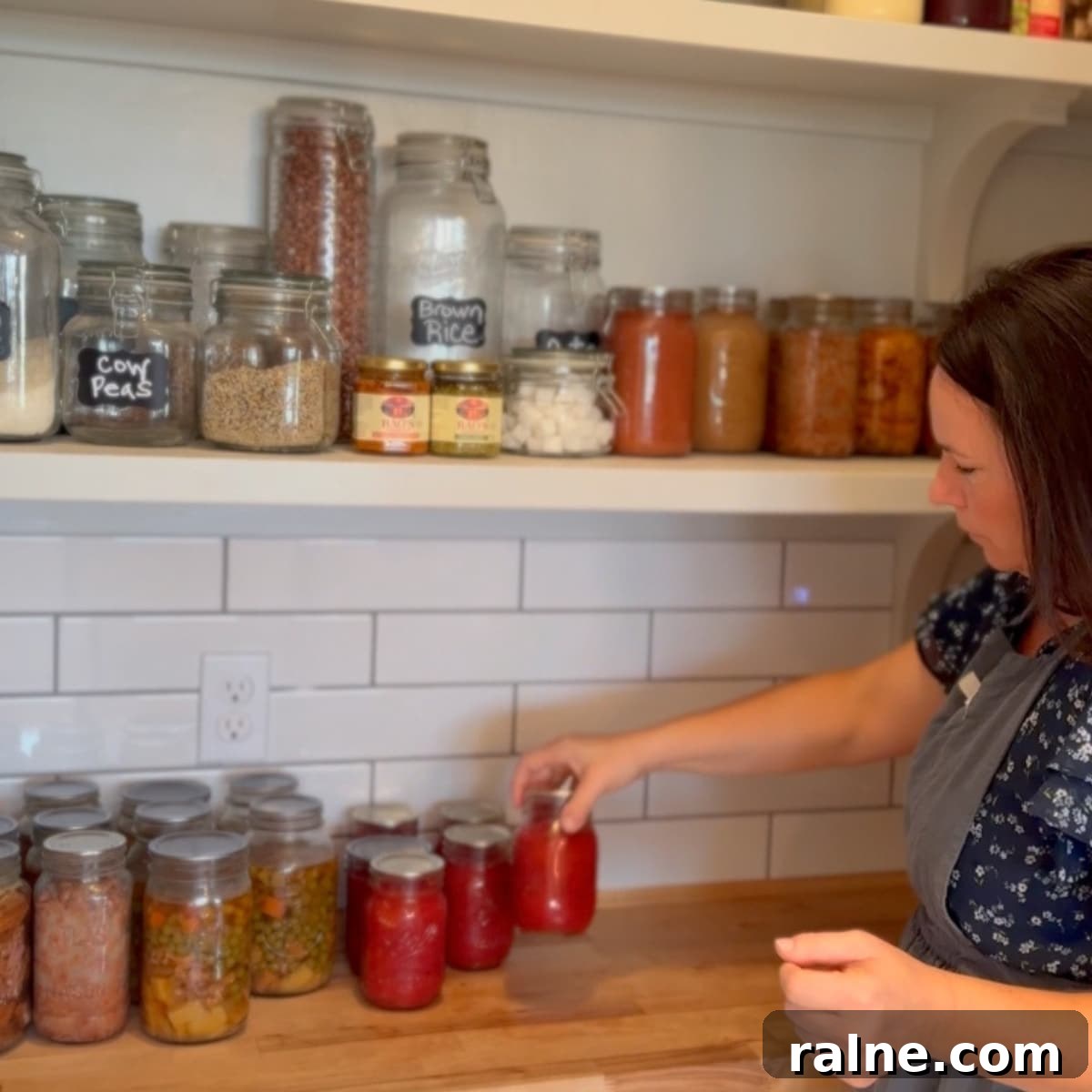
Storage is the heart of any pantry. Clear glass jars are my go-to for flour, sugar, beans, and rice—seeing contents at a glance prevents duplicate purchases and streamlines meal prep. I use chalkboard labels so I can relabel jars quickly; this keeps the pantry tidy and gives it a handmade, classic touch that suits farmhouse style.
Making It Feel Like Home
A farmhouse pantry is more than dry goods; it celebrates food you grow, gather, or preserve. We keep fresh produce like squash and apples on the counter for easy access and visual warmth. Home-canned jars—tomatoes, beans, jams—add color and a sense of accomplishment. If you don’t can, store bulk items from the store in jars to achieve the same cozy look.
Small details bring character and functionality:
- Chalkboard labels for a handmade, organized appearance.
- A vintage-style accordion peg rack for hanging baskets, aprons, or towels.
- Woven baskets and tins for loose items that don’t suit jars.
- Cookbooks tucked onto lower shelves for easy reference and a lived-in feel.
These touches keep the pantry from feeling like a hidden storage closet and make it feel like an extension of the kitchen—a practical, welcoming space rather than a strictly utilitarian one.
Keeping Our Pantry Practical
Beauty had to be balanced with function. We placed frequently used items at eye level, heavier jars on lower shelves for safe lifting, and bulk supplies in the cabinets beneath the counters. Designing around how our family cooks and eats made the pantry truly work for us.
Because our kids pack lunches, snacks are stored within their reach. Since I bake often, flours and sugars live on the counter for quick access. The best farmhouse pantry, in our experience, is one that’s lived-in and well-loved—easy to use, not staged or fussy.
Final Thoughts
Building our farmhouse pantry was about creating a space that blends usefulness and beauty—where storing food becomes part of the home’s story. Whether you have a large walk-in pantry or a small corner, prioritize natural materials, clear jars, fresh produce, and a few thoughtful accents. These choices will help your pantry become a charming, practical space you use every day.
From my kitchen to yours, I hope these ideas inspire you to design a pantry you love—a place where food and family come together and everyday tasks feel a little more special.