
I’ll be teaching how to make these gluten-free lemon poppy seed muffins in my class on March 17th at the Culinary School of the Rockies. For anyone who can’t attend, I’m sharing the recipe here.
This is my mother-in-law’s favorite muffin. When she visited recently, I baked a batch and packed some for her plane trip home so she’d have a little sustenance.
These muffins are light and fluffy, but also higher in protein and fiber and much lower in sugar than typical muffins. They’re a bright, refreshing treat—easy to make and perfect for a snack or a small dessert. I hope you enjoy them as much as we do.
Lemon Poppy Seed Muffins

Ingredients
- ¼ cup coconut flour
- ¼ teaspoon sea salt
- ¼ teaspoon baking soda
- 3 large eggs
- ¼ cup agave nectar (or other liquid sweetener)
- ¼ cup grapeseed oil (or neutral oil)
- 1 tablespoon lemon zest
- 1 tablespoon poppy seeds
Instructions
-
Preheat the oven to 350°F (175°C). Grease a mini muffin tin or line with mini paper cups.
-
In a medium bowl, whisk together the coconut flour, sea salt and baking soda until evenly combined.
-
In a separate large bowl, beat the eggs with the agave nectar, oil and lemon zest until well blended.
-
Stir the dry ingredients into the wet mixture until smooth. Coconut flour absorbs a lot of moisture, so let the batter sit for a minute if it seems slightly thick, then stir again.
-
Fold in the poppy seeds.
-
Spoon about 1 tablespoon of batter into each greased mini muffin cup, filling almost to the top.
-
Bake at 350°F for 8 to 10 minutes, or until the tops are set and a toothpick inserted into the center comes out clean.
-
Remove from the oven and let the muffins cool in the tin for a few minutes, then transfer to a rack to cool completely. Serve warm or at room temperature.
Equipment
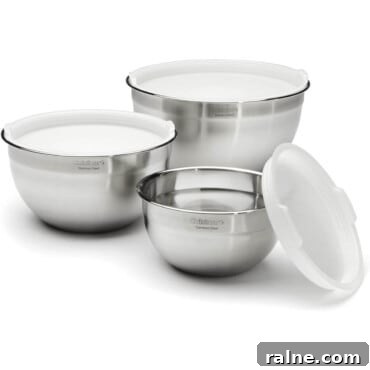

For a comprehensive guide to baking with coconut flour, Bruce Fife’s book Cooking with Coconut Flour is an excellent resource that covers techniques and tips for working with this ingredient.
Additionally, there are new recipe search tools focused on minimally processed, whole-food ingredients. If you prefer recipes built around whole foods, look for resources that emphasize natural, sustainable ingredients and simple preparations.