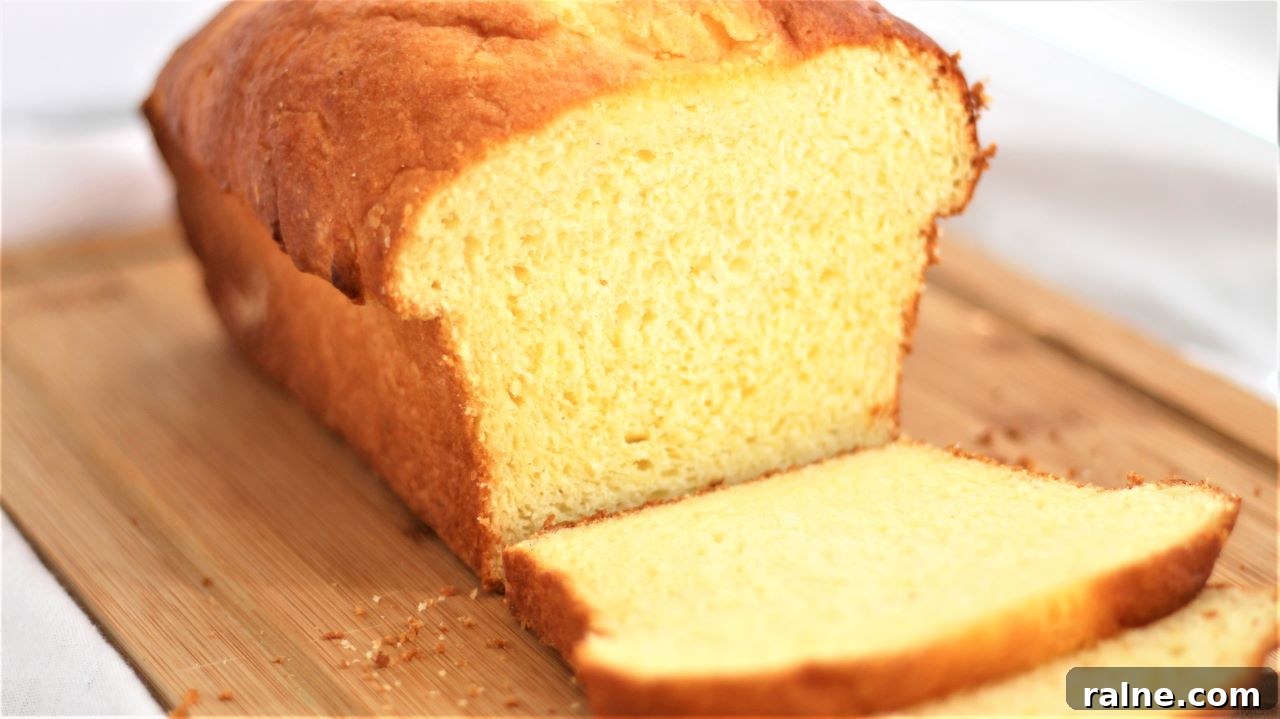
Pillowy soft and buttery, this gluten-free brioche delivers everything you want from a rich, tender bread — and then some.
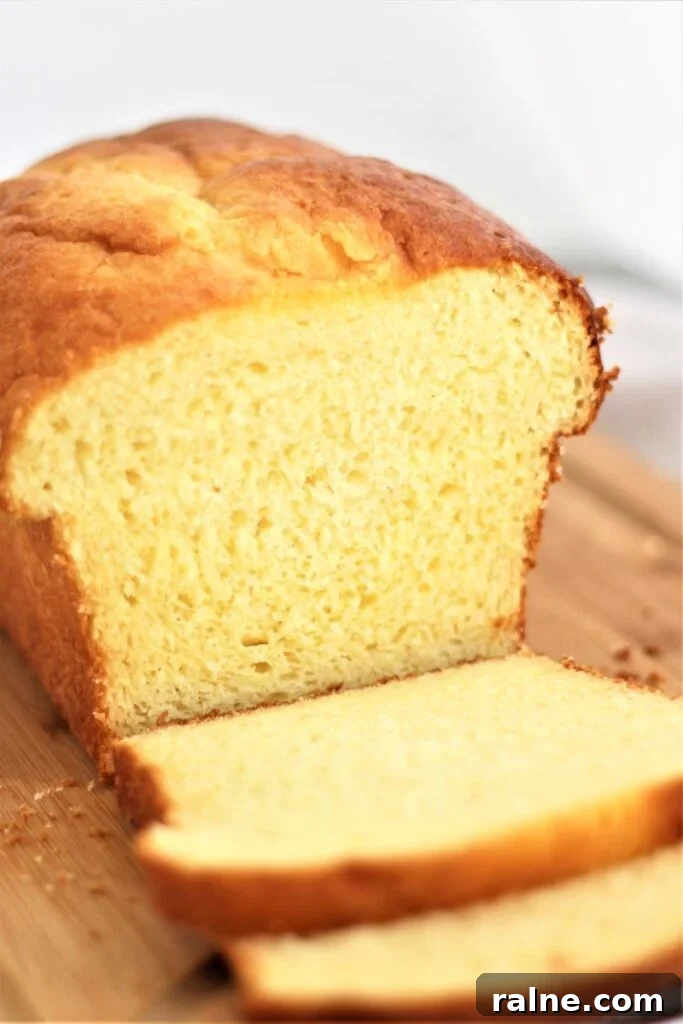
I’m always tweaking recipes — sometimes to a fault, but often to great results. This time that constant fiddling paid off: I’ve developed a gluten-free brioche that is truly exceptional.
I already have several recipes that produce soft, light loaves, but I’ve been determined to match the airy brioche-style loaves and buns I buy for my son. Those store-bought brioche hot dog and hamburger buns feel almost weightless in your hands — light, ethereal, and incredibly soft. I’ve never personally tasted those exact buns, but the praise I hear inspired this version.
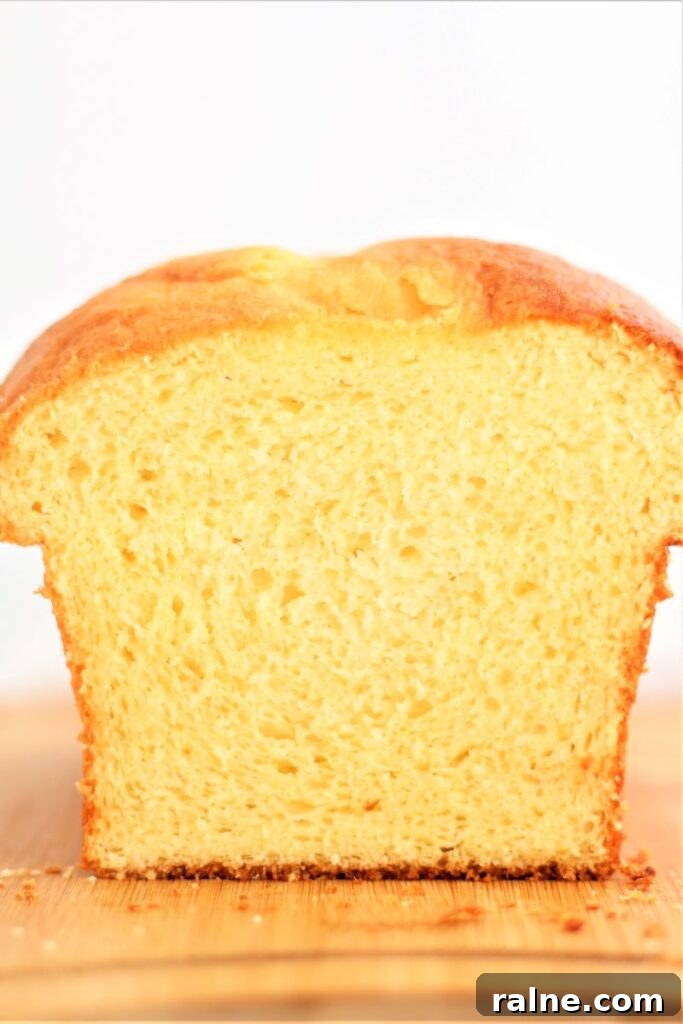
Because I rarely stop experimenting, I keep improving techniques and textures. The result is this outstanding gluten-free brioche — rich, tender, and buttery — the kind of bread that makes special meals even better.
What is in Gluten Free Brioche?
This brioche is indulgent by design: it contains one whole egg plus six egg yolks, half a cup of sugar, and six tablespoons of butter. If you’re looking for a health-focused recipe, this is not it — it’s meant to recreate classic brioche texture and flavor for those who need or prefer gluten-free baking.
Beyond the eggs, sugar, and butter, the dough includes my gluten-free bread flour blend, instant yeast, whole psyllium husks (or psyllium powder), baking powder, kosher salt, and whole milk. These ingredients work together to create the light, tender crumb that defines brioche.
How to Make GF Brioche
- Mix the dough in a stand mixer using the dough hook; a handheld mixer with dough hooks can work for experienced bakers. Combine dry ingredients first, then add softened or melted butter, eggs, yolks, and milk. Knead until the dough is wet, sticky, and slightly stretchy — about five minutes on medium-high.
- Cover and refrigerate for at least 6 hours or up to 3 days. This cold bulk fermentation replaces a warm rise and is essential for manageable dough and optimal texture. Do not skip chilling.
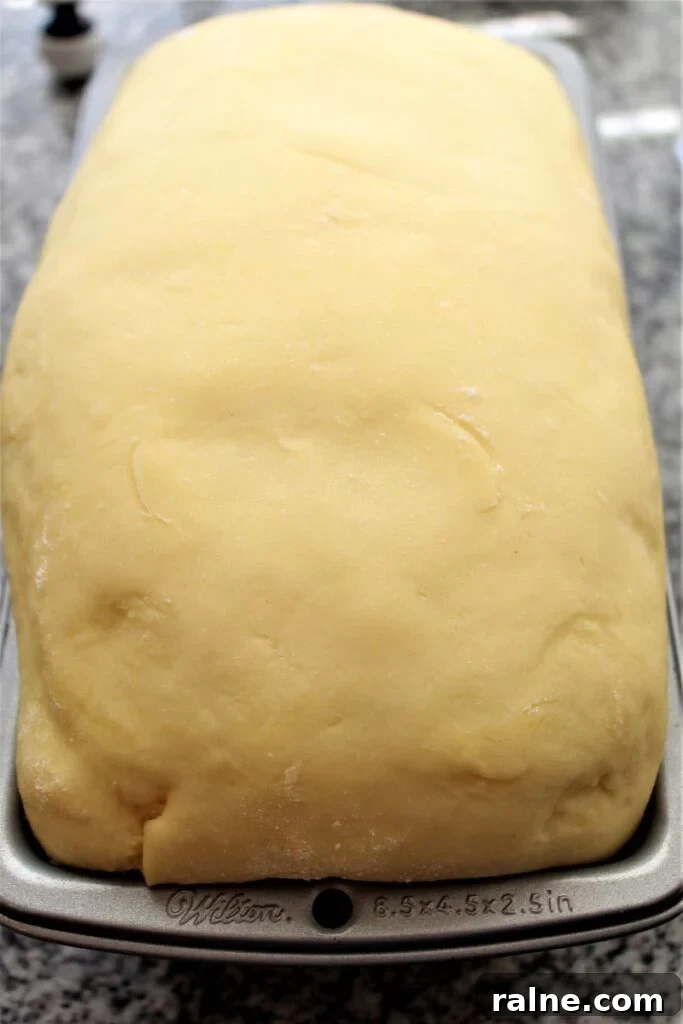
- When ready to bake, flour your work surface generously and knead the dough briefly. It will be sticky; using extra flour or chilling the dough briefly in the freezer can help. Shape into a loaf to fit an 8 by 4-inch pan, place in a well-greased pan, and loosely cover with plastic.
- Allow the loaf to rise at room temperature until it crests about an inch above the pan — this can take 30 minutes to 2 hours depending on your environment.
- Preheat the oven to 350°F. Gently brush the top with egg wash and bake for 30–35 minutes. The best doneness test for this brioche is a knife inserted to the bottom coming out clean or nearly clean. The loaf should also feel unusually light for its size.
- Remove from the oven, brush with melted butter, and let cool in the pan for 10 minutes. Then remove the loaf to a wire rack to finish cooling before slicing.
Gluten Free Brioche FAQs
Short answer: no. The whole egg and especially the egg yolks are crucial for the brioche’s characteristic light, fluffy texture and added fat. Removing or replacing them will change the crumb and richness significantly.
While I try to be helpful, my focus is gluten-free baking rather than other allergen-free adaptations. That said, you can likely substitute the milk and butter with non-dairy alternatives, and some oils may work in place of butter with adjustments. These swaps will require testing to achieve similar texture and may not deliver identical results.
This brioche stays soft for days when wrapped well — even up to a week at room temperature. For longer storage, freeze whole or in slices. The combination of fats and proper technique helps retain softness far longer than many gluten-free breads.
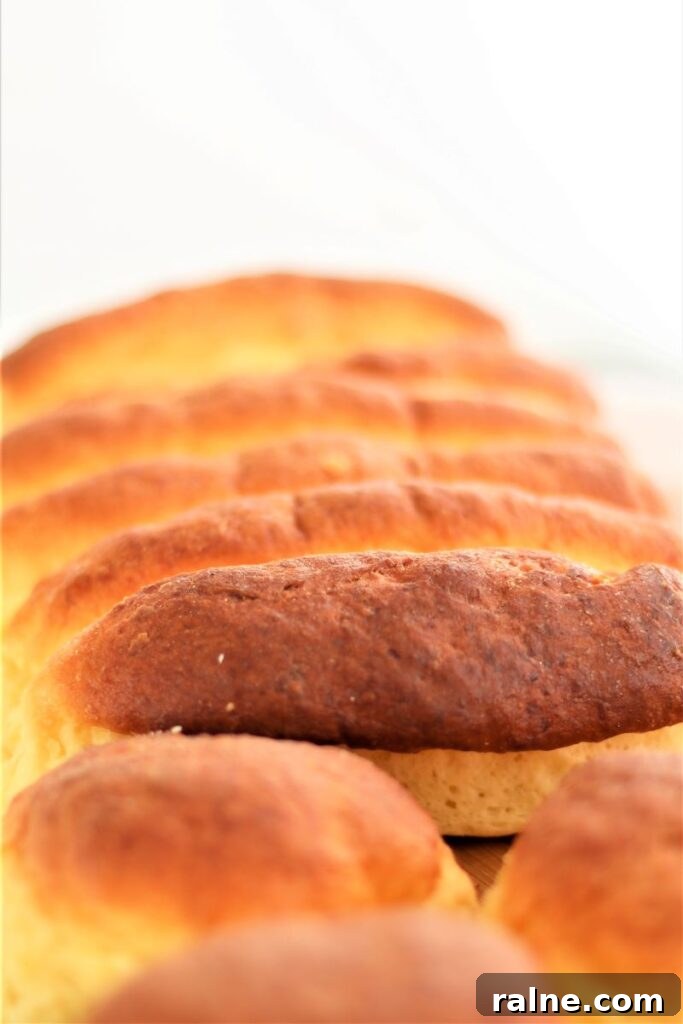
This soft, buttery gluten-free brioche is a game changer for anyone missing classic brioche texture while avoiding gluten. I’m excited for you to try it and see how well it holds up to expectation.
Soft and Buttery Gluten Free Brioche
Ingredients
- 1¾ cups (245g) Kim’s gluten free bread flour blend
- ½ cup (100g) granulated sugar
- 1 teaspoon baking powder
- 1 tbsp plus ¾ teaspoon (12g) instant yeast
- 1 tbsp (5g) whole psyllium husks (or 1½ teaspoon psyllium husk powder)
- ½ teaspoon kosher salt
- 6 tbsp (85g) butter, very soft or melted
- 1 cup (240ml) whole milk
- 1 large egg, at room temperature
- 6 large egg yolks, at room temperature
For Brushing
- 1 large egg mixed with 1 tablespoon water and a pinch of salt (for egg wash)
- 1 tablespoon butter, melted (for brushing)
Instructions
-
In a stand mixer bowl, weigh or measure the flour blend, sugar, baking powder, yeast, psyllium husks, and salt. Whisk to combine.
-
Add the softened or melted butter and mix on low with the dough hook or beater blade. Add the whole egg and egg yolks, then pour in the milk. If using a dough hook, add liquids slowly. Knead on medium-high for about 5 minutes until the dough is wet, sticky, and slightly stretchy.
-
Scrape the dough into the center of the bowl or another container and cover tightly with plastic wrap. Refrigerate for at least 6 hours, preferably overnight, or up to 3 days.
-
On baking day, remove the dough from the fridge. Knead briefly on a well-floured surface until smooth, using plenty of extra flour to manage stickiness. If needed, chill in the freezer for 10 minutes to firm the dough. Shape to fit an 8½ by 4½-inch pan and place in a well-greased loaf pan. Cover loosely and let rise until doubled and about 1 inch above the pan, 30 minutes to 2 hours.
-
Preheat the oven to 350°F. Gently brush the top with egg wash and bake 30–35 minutes, or until a knife inserted to the bottom comes out clean or nearly clean. The loaf should also feel relatively light for its size.
-
Remove from the oven and immediately brush the top with melted butter. Cool in the pan on a wire rack for 10 minutes, then remove the loaf to finish cooling before slicing.
-
Store wrapped at room temperature for up to a week. For longer storage, freeze whole or sliced.
Notes
This dough can also be portioned into buns and rolls, such as hot dog and hamburger buns. Refer to the video for guidance on shaping and portioning.