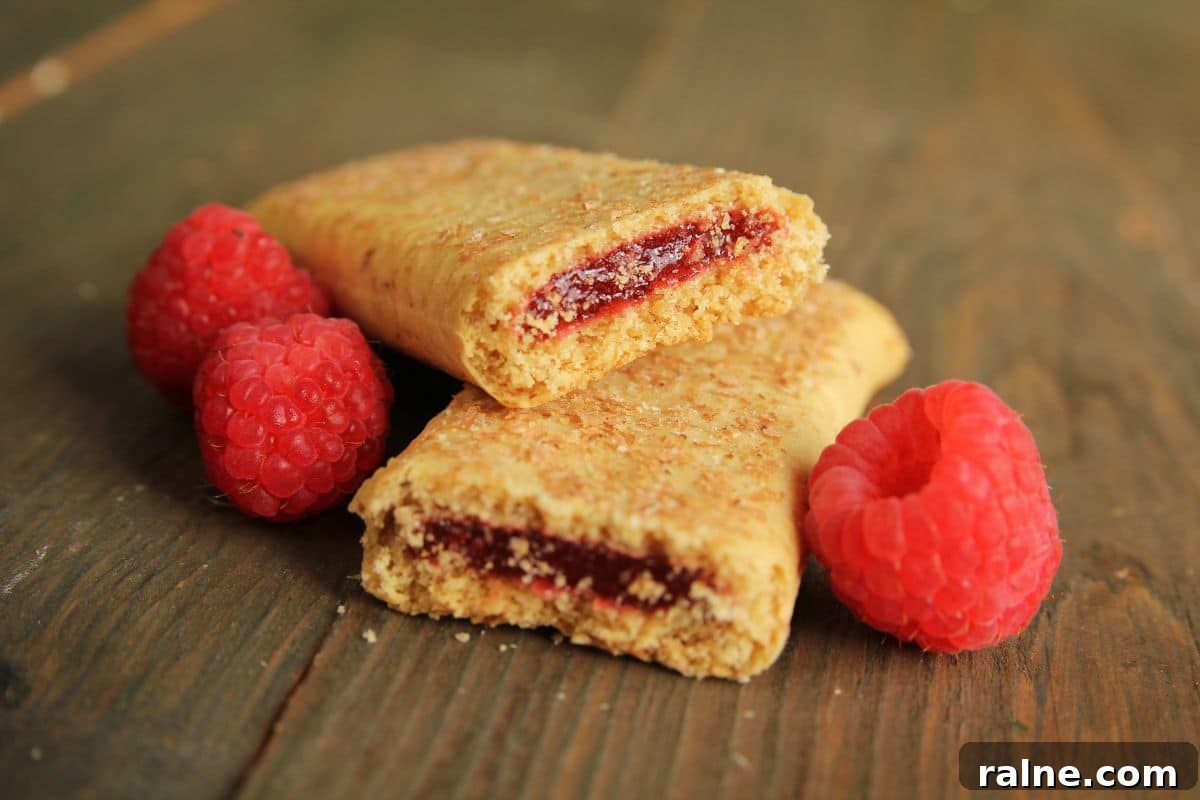
Nutri-Grain® bars have been a familiar snack for decades, often promoted as a convenient, wholesome option. But are they actually healthy? I’m Jamie, a dietitian with nearly 10 years of experience, and I’ll walk you through the facts so you can decide if these bars fit your goals, schedule, and budget.
In this review I’ll cover what Nutri-Grain bars are, their nutrition facts and ingredient list, the benefits and drawbacks, suitability for kids and weight-loss goals, simple tips to make them more balanced, and a few alternative snack ideas.
What Are Nutri-Grain Bars?
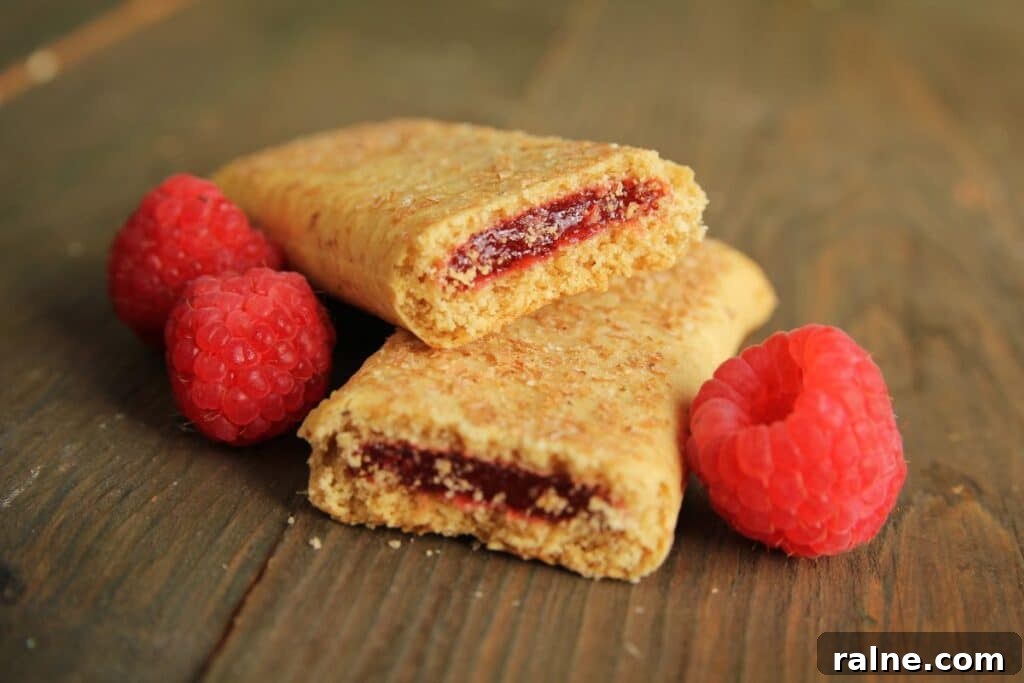
Nutri-Grain bars, made by Kellogg’s®, have been sold since the late 1980s. Known for their soft, chewy texture, they come in a variety of fruit-flavored fillings encased in a whole-grain-style crust and are individually wrapped for portability. While packaging and marketing emphasize convenience and whole grains, it’s important to look at the nutrition facts and ingredient list to form a clear picture.
Nutri-Grain Nutrition Facts
Nutrition varies slightly by flavor. Using Apple Cinnamon as an example, one bar typically provides:
- Calories: 130
- Total Fat: 3.5 g
- Saturated Fat: 0.5 g
- Trans Fat: 0 g
- Cholesterol: 0 mg
- Sodium: 115 mg
- Total Carbohydrates: 24 g
- Dietary Fiber: 3 g
- Sugars: 11 g (includes 11 g added sugars)
- Protein: 2 g
The bars are also fortified with small amounts of vitamins and minerals such as vitamin A, vitamin C, calcium, and B vitamins, which vary by flavor and formulation.
Nutri-Grain Bar Ingredients
The ingredient lists are long and include both whole-grain and processed components. For the Apple Cinnamon crust and filling, major items include whole grain oats, enriched flour, whole wheat flour, various sugars and syrups, vegetable oils, fruit puree concentrate, fiber additives, thickeners, and flavorings. If you prefer short, whole-ingredient labels, these bars may feel overly processed.
Pros
- Convenience: Individually wrapped bars are easy to grab and take on the go—useful for busy mornings or a quick snack.
- Whole grains and fiber: The crust contains whole grain oats and provides about 3 grams of fiber per bar, which helps with satiety compared with refined snacks.
- Flavor variety: Multiple fruit fillings offer choices to match different tastes.
- Kid-friendly: Many children enjoy the texture and flavors, which can make mealtime easier for families with picky eaters.
- Affordable: Widely available at a low cost per bar, making them an economical option.
- Quick energy: Their carbohydrate content makes them a practical pre-workout snack for fast fuel.
Cons
- Added sugars: Several flavors contain around 11 grams of added sugar per bar, which can add up across the day.
- Refined grains present: Although whole grains are included, enriched wheat flour (a refined grain) is also an ingredient.
- Carb-heavy, low protein/fat: With only about 2 grams of protein and modest fat, these bars may not keep you full as long as options with more protein and healthy fats.
- Processed ingredients: The long ingredient lists include syrups, stabilizers, and other additives that some people prefer to avoid.

Do Nutri-Grain Bars Have Too Much Sugar?
The answer depends on your overall diet and sugar limits. Public health recommendations commonly suggest limiting added sugars—many adults aim for 25–36 grams per day depending on guidelines. At about 11 grams of added sugars per bar, one Nutri-Grain can fit into a day’s intake, but it represents a notable portion of a daily allowance. If you already consume other sweetened foods or drinks, the sugars can add up quickly.
Rather than labeling the bars strictly “bad” or “good,” consider how they fit into your full day of eating. Mindful portioning and pairing with other foods can help manage the sugar load and provide more balanced nourishment.
Are Nutri-Grain Bars Healthy for Kids?
They can be an appropriate occasional snack for children, especially when convenience and acceptance matter. Because of the added sugar, moderation and a varied diet that emphasizes whole foods are important. If a Nutri-Grain bar is one of many snacks and meals that include fruits, vegetables, protein, and dairy or dairy alternatives, it’s generally fine. If it’s all a child will eat frequently, consider rotating in other nutrient-dense choices.
Are Nutri-Grain Bars Good for Weight Loss?
No single food guarantees weight loss. Weight changes depend on overall energy balance, variety, and how satisfying your choices are. Nutri-Grain bars can work in a weight-loss plan if they fit within your calorie goals and you pair them with protein or fiber-rich foods to stay full. If they leave you reaching for more snacks soon after, try a different option with more protein and healthy fat for better satiety.
Dietitian Tip: Pair with Protein
Pairing a Nutri-Grain bar with a protein source improves balance and helps steady blood sugar and appetite. Simple pairings include a string cheese, a hard-boiled egg, a small container of Greek yogurt, or a handful of nuts. These pairings add protein and healthy fat, making the snack more satisfying and nutritionally complete.
Alternative Snack Bars
If you want bars with more protein, fewer added sugars, or shorter ingredient lists, consider options made from whole nuts, seeds, and dried fruit or bars formulated to provide a balance of protein, fiber, and healthy fat. Reading labels for protein, fiber, and total sugars will help you choose a bar that meets your needs.
More Snack Ideas
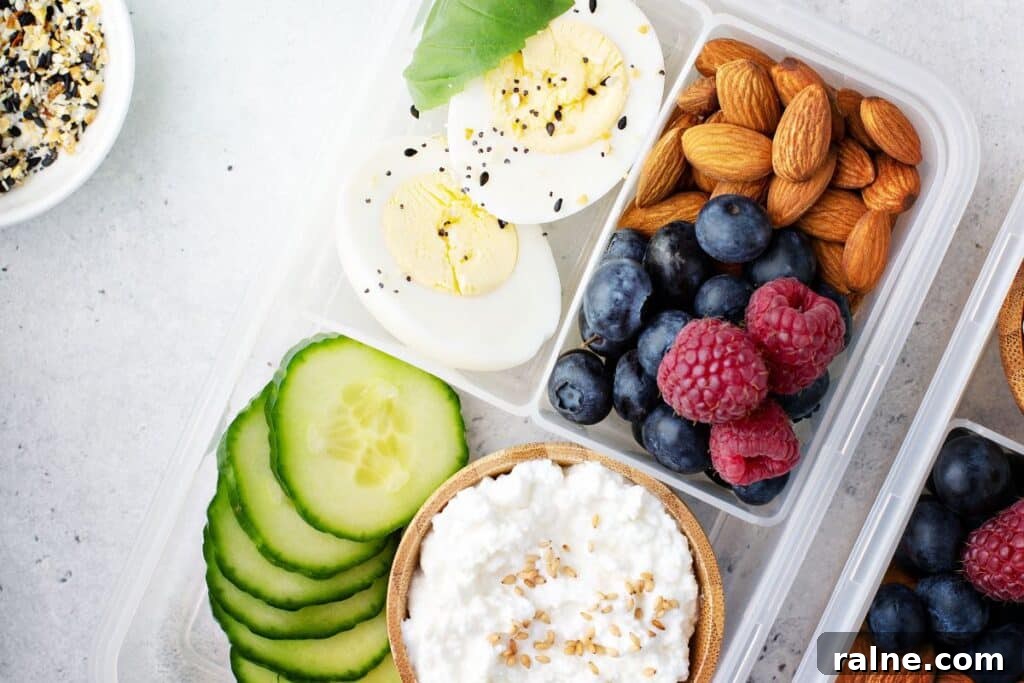
Here are quick, balanced snack combos that include protein and fiber to keep you satisfied:
- Apple with a cheese stick
- Greek yogurt topped with granola
- Whole grain crackers with sliced cheese
- Tortilla chips with guacamole
- Sliced bell peppers and cucumbers with cottage cheese
- Hard-boiled egg with a banana
These options are easy to prepare, portable, and provide a mix of macronutrients for longer-lasting energy than carbohydrate-only snacks.
More Product Reviews
If you enjoy product breakdowns, exploring ingredient lists and nutrition labels is a helpful habit. Comparing items side by side will show which choices are more balanced for your needs.
So, Are Nutri-Grain Bars Good for You?
Nutri-Grain bars have strengths: they’re tasty, affordable, portable, and include some whole grains and fiber. Their limitations include added sugars, modest protein and fat, and a relatively long ingredient list with processed components. For quick energy—like a pre-workout snack—or an occasional convenient treat, they can fit into a balanced diet. To improve satiety and nutrition, pair a bar with a protein source or choose an alternative bar with more protein and fewer added sugars.
The bottom line: if you enjoy Nutri-Grain bars, there’s no need to avoid them entirely. Use them thoughtfully within the context of your overall daily eating pattern, and consider swapping or pairing them when you need longer-lasting fullness or a lower-sugar option.