
There are many reasons someone might search for gluten-free, yeast-free bread recipes.
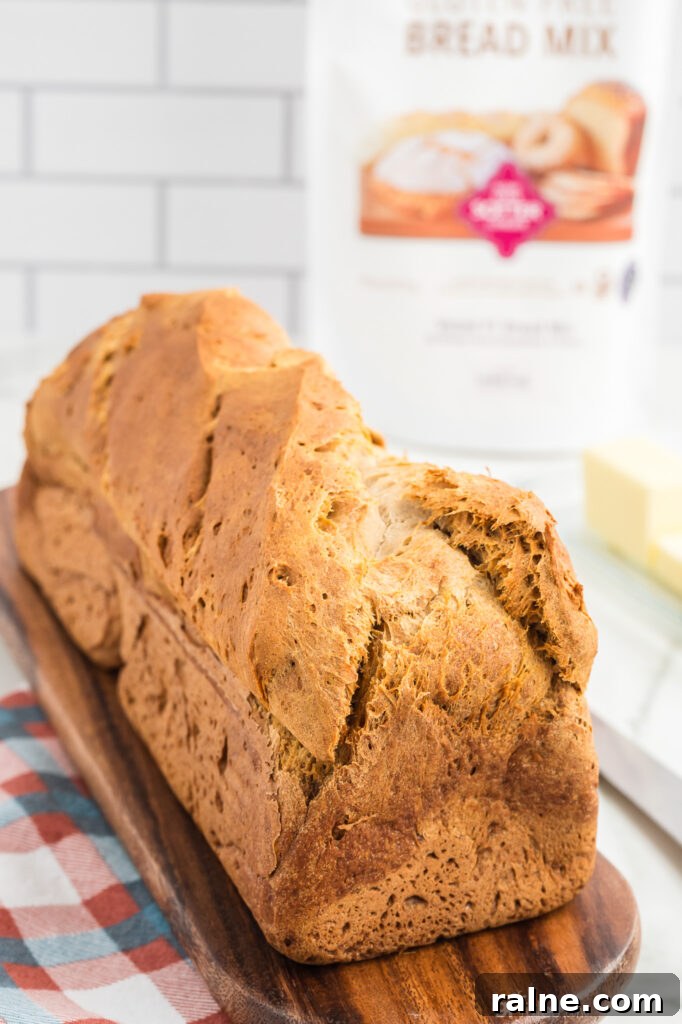
Maybe you are following a candida diet and avoiding yeast, or perhaps you are sensitive or allergic to yeast or mold. Some people prefer to avoid yeast for personal health reasons, while others simply can’t find yeast during supply shortages. Whatever the motivation, it helps to know there are excellent alternatives to traditional yeast-leavened breads.
During recent times, many home bakers found active dry yeast hard to source, which pushed people to explore yeast-free baking methods. If you need or prefer to skip yeast, you’ll be glad to know there are many delicious gluten-free recipes that don’t rely on it.
Baking Bread with Other Leavening Agents
The key to yeastless breads is using chemical leavening agents instead of biological yeast. These leaveners—mainly baking soda and baking powder—create carbon dioxide in the dough or batter, producing lift and air pockets similar to those created by yeast, but much more quickly.
Although the word “chemical” can sound intimidating, baking powder and baking soda are familiar pantry staples. Bakers’ yeast is a living organism that ferments sugars to release carbon dioxide slowly, which develops flavor and a distinctive crumb over time. Chemical leaveners work through a different mechanism: they react immediately (or when moistened and heated) to release gas, so rise times are brief or unnecessary.
Using baking powder or a combination of baking soda plus an acid can effectively replace yeast in many recipes. As a general guideline, substitute baking powder measure-for-measure for yeast: if a recipe calls for one packet of yeast (about 2 1/4 teaspoons), use 2 1/4 teaspoons of baking powder instead. If you don’t have baking powder, combine baking soda with an acid—such as lemon juice or white vinegar—in equal measure, or make your own baking powder blend. Either double-acting baking powder or the baking soda-plus-acid method will create the bubbles that give bread lift and create tender air pockets.
The differences you’ll notice when you switch from yeast to chemical leaveners are straightforward: there will be no yeasty aroma or flavor, and you won’t need to allow time for the dough to rise. That can be an advantage when you want fresh bread quickly or are avoiding yeast for dietary reasons.
Chemical leaveners work especially well in quick breads, flatbreads, pizza crusts, tortillas, biscuits, and many sandwich-style loaves adapted for gluten-free flours. You can expect good texture and reliable results if you follow recipes designed for those leaveners or adapt yeast recipes using the substitution guidelines above.
Gluten-Free Bread Recipes That Use Chemical Leavening Instead of Yeast
- Gluten Free Yeast Free Sandwich Bread
- Gluten Free Yeast Free Pizza (options for yeast-free modification)
- Gluten Free Sweet Potato Pizza Crust
- Gluten Free Yeast Free Dinner Rolls
- Gluten Free Flour Tortillas
- Gluten Free Pita Bread or Flatbreads
- Gluten Free Irish Soda Bread
- Gluten Free Cornbread
- 52-Minute Gluten Free Cinnamon Rolls
- Gluten Free Southern-Style Buttermilk Biscuits
- Easy Gluten Free Biscuits
- Gluten Free Sourdough (a starter can be made from yogurt)
- Gluten Free Sourdough Breadsticks
- Gluten Free Sourdough Pizza Crust
Don’t assume you’ve lost your favorite breads when yeast isn’t an option. Plenty of recipes yield excellent flavor and texture without yeast, and many of them are faster to prepare. Whether you’re making sandwiches, pizza, tortillas, rolls, or quick sweet breads, there are reliable gluten-free, yeast-free recipes to match your needs.
Give a few of these recipes a try and discover which ones become your go-to. With the right leavening choice and a little practice, you can enjoy a wide variety of breads that are both gluten-free and yeast-free.
Happy baking!
~jules
P.S. Let me know which gluten-free, yeast-free recipe you try first and which becomes your favorite. Pin this page to save the ideas for later.