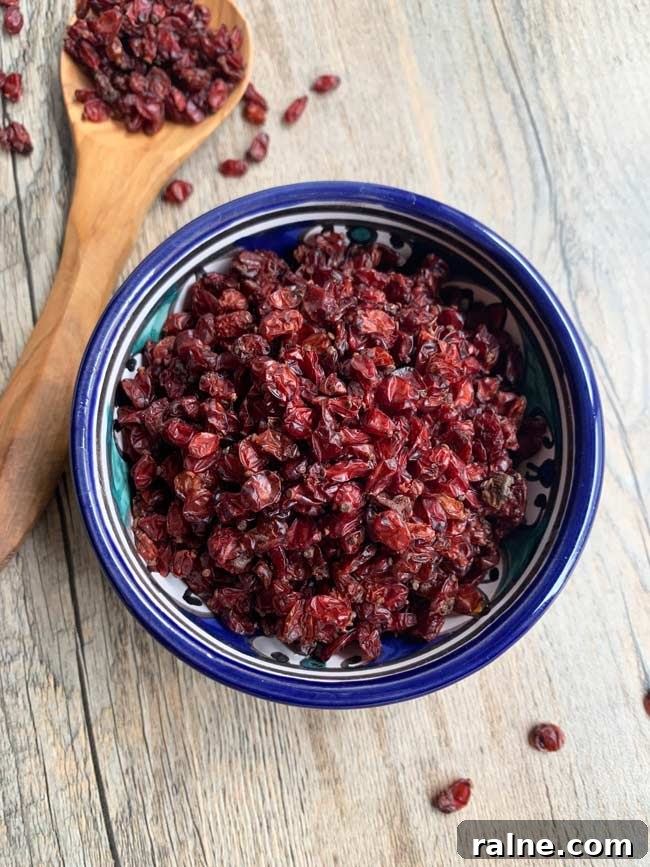
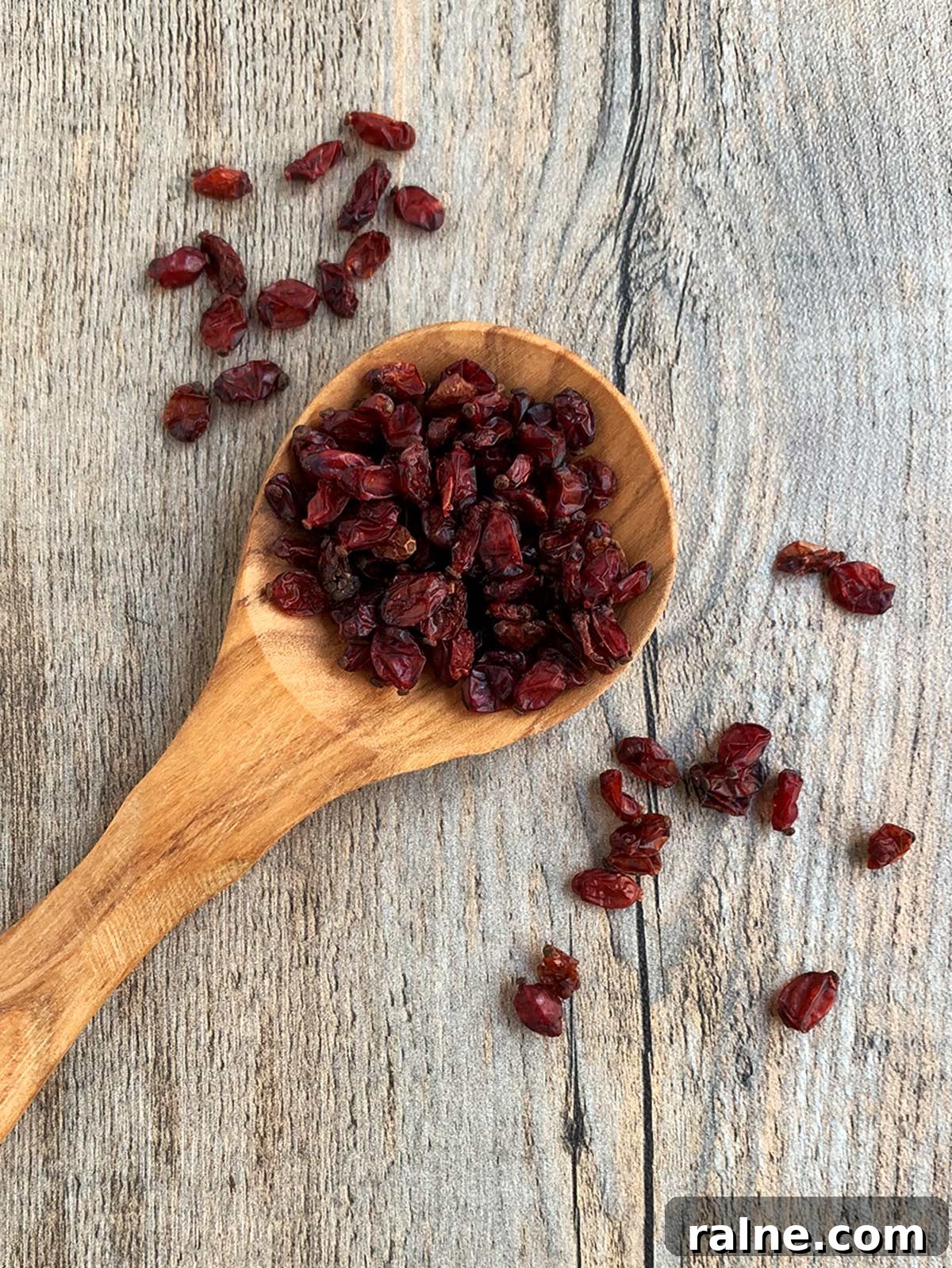
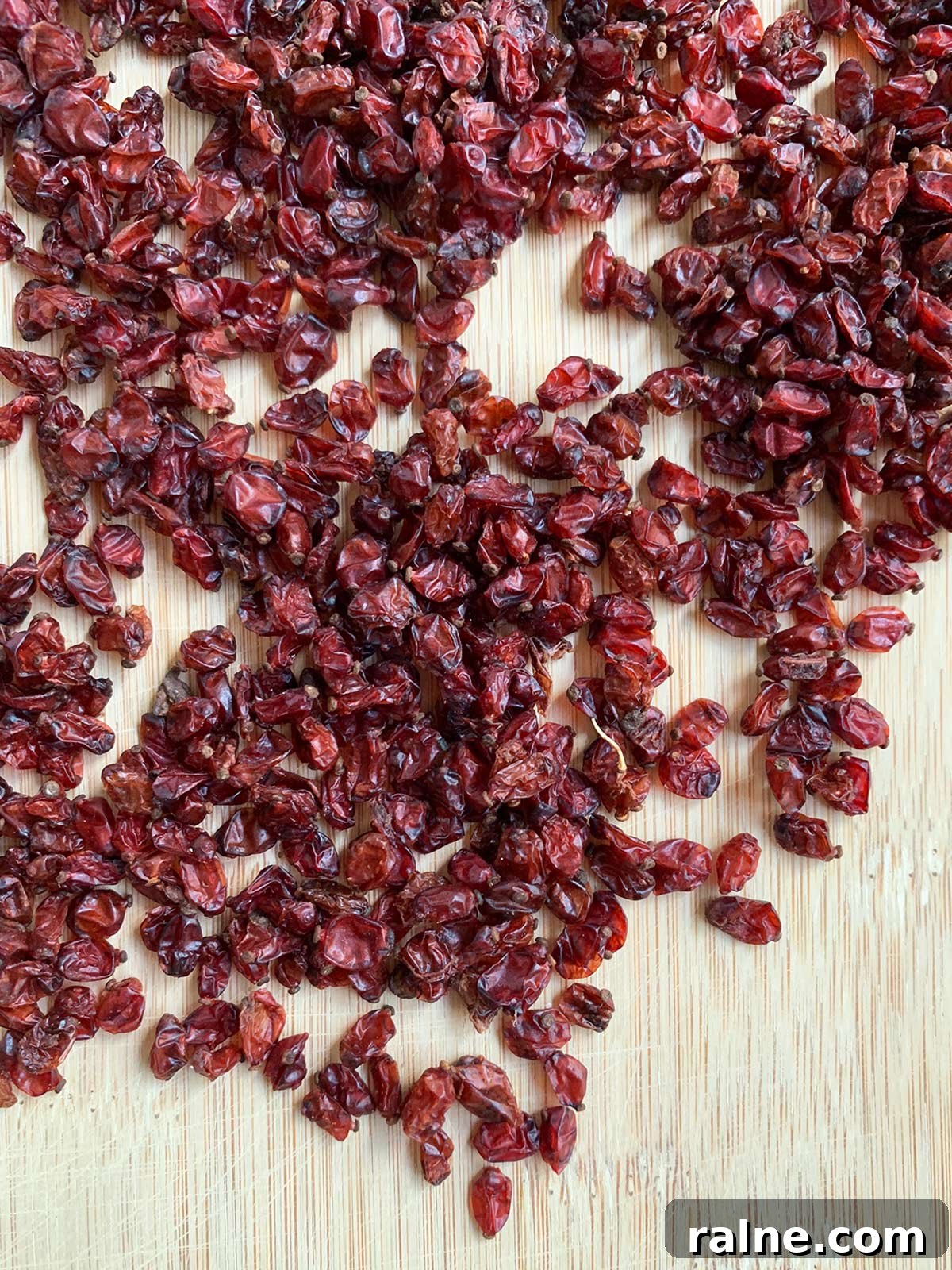
Barberries, known in Persian as zereshk, are small tart dried berries about the size of a currant. A featured ingredient in our Tasting Jerusalem group and a staple in Ottolenghi’s pantry recommendations, these ruby-hued gems add bright, tangy flavor whenever you use them.
This post contains Amazon affiliate links. As an Amazon Influencer, I earn from qualifying purchases. Your price is never affected.
What are Barberries
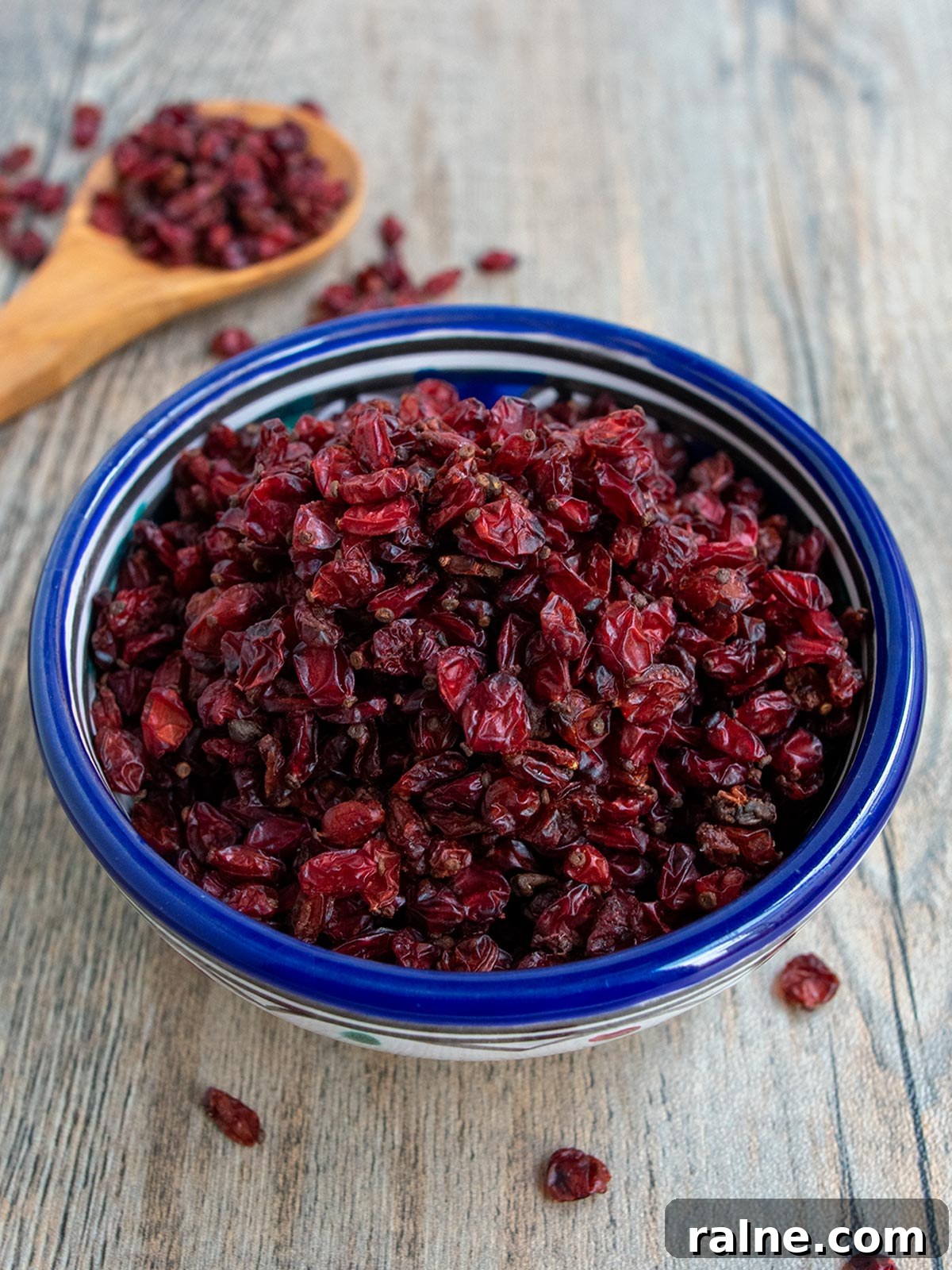
Barberries are tiny dried red berries that resemble miniature cranberries or red currants. They come from the Berberis vulgaris shrub, which grows naturally across Europe, North Africa, the Middle East and Central Asia and has since been introduced to North America. Most commercially available barberries are imported from Iran, where zereshk are widely used in Persian cooking. Unlike many dried fruits, barberries are typically sold without added sugar, offering pure tart, puckering flavor.
How to Use Barberries
The classic Persian preparation is zereshk polo (barberry rice), where the berries provide a vivid tart contrast to saffron rice and other rich ingredients. Barberries also pair beautifully with chicken, often served alongside or on top of meat dishes, and are common in egg-based preparations such as kuku, a herb-forward Persian frittata.
Think of barberries any time a bright, tart note would lift a dish. To mellow their acidity, sauté them with a touch of sugar, or use them straight for a lively, natural tang. They also work well in sweet-and-sour combinations—traditional celebratory rice dishes, like Persian wedding rice, combine barberries with nuts, raisins, saffron, butter and a little sugar for a festive balance of flavors.
What do Barberries Taste Like?
Rehydrated barberries are jewel-like in appearance, with a deep ruby color and intense, bright tartness that belies their small size. Their texture is similar to dried cranberries or raisins—chewy—but their flavor carries a citrusy acidity that makes them stand out. Historically, Europeans used barberries similarly to citrus peel or zest to provide sharp, aromatic notes.
I often add barberries to baked goods and savory dishes alike. They’re excellent in quick breads and cookies in place of cranberries, and they pair well with dried apricots, raisins or persimmons for a complex sweet-tart profile.
How to Prepare Barberries for Use
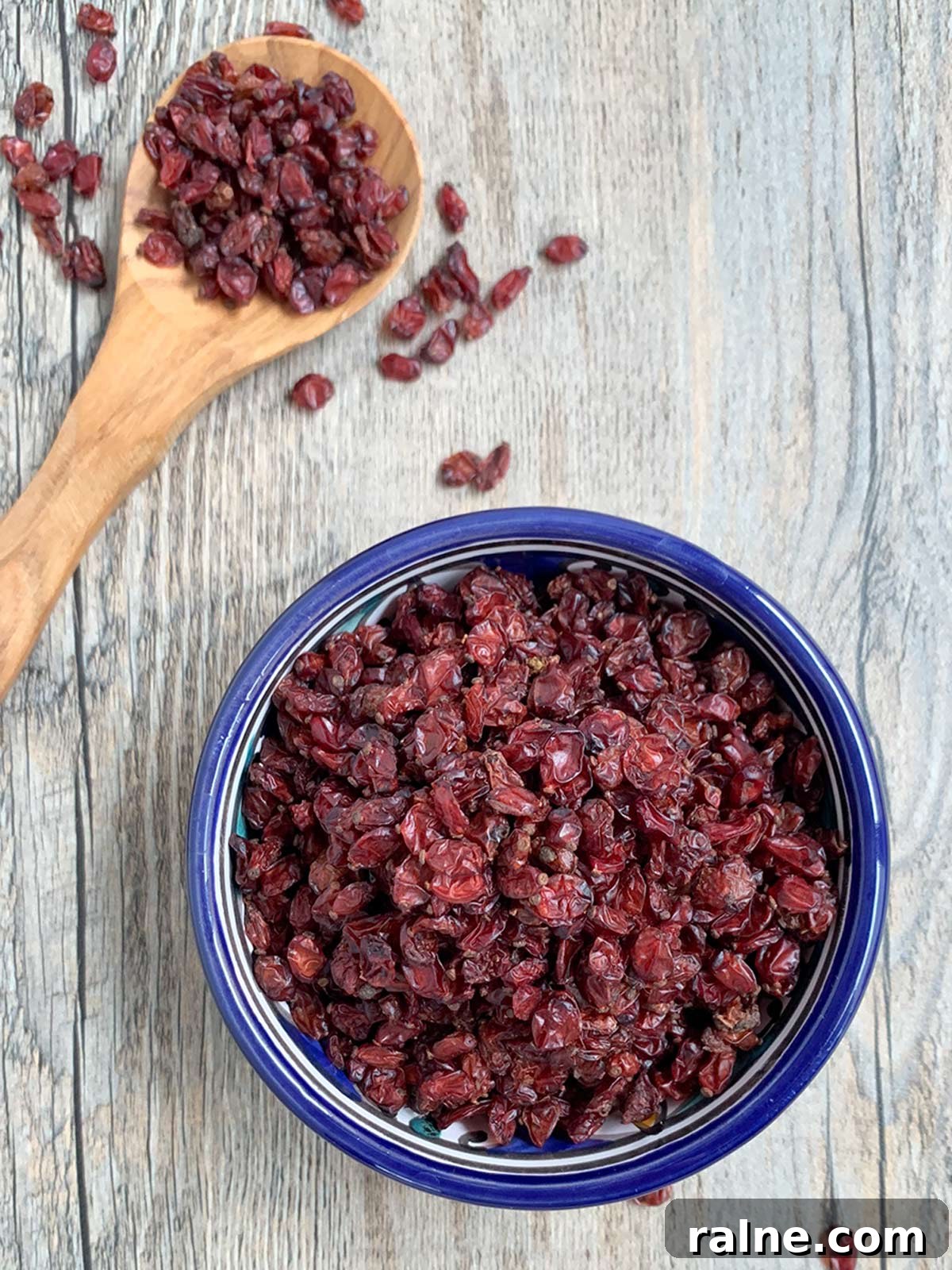
Because barberries are harvested from bushes, they can retain tiny stems, grit or small stones. Measure the amount you need and spread the berries out so you can easily pick out any debris. Soak them briefly in warm water; any remaining grit will settle to the bottom. If you plan to sauté the berries—such as for barberry rice—drain and pat them dry so excess water won’t splatter in the hot pan.
Substitutes for Barberries
If you can’t find barberries, dried cranberries work well—chop them if size matters. Currants are another good option; soaking them briefly in lemon juice adds some of the bright acidity that barberries bring. Dried sour cherries (sold by some retailers) can also substitute when you want both tartness and chew.
Where to Buy Barberries
Iran is the world’s largest producer of barberries, so Middle Eastern and Persian markets often carry high-quality zereshk. They are also available through many online spice and specialty food suppliers. Look for pure, unsweetened dried barberries for the most authentic flavor.
Recipes that Use Barberries
- Instant Pot Barberry Rice — a simplified take on zereshk polo that produces fragrant saffron rice topped with tangy barberries.
- Chicken with Caramelized Onion and Cardamom Rice — a signature dish from Jerusalem-style cooking that pairs richly spiced rice with savory chicken and bright barberries.
- Fava Bean Kuku — a Persian herb frittata that often includes barberries for a punch of tartness.
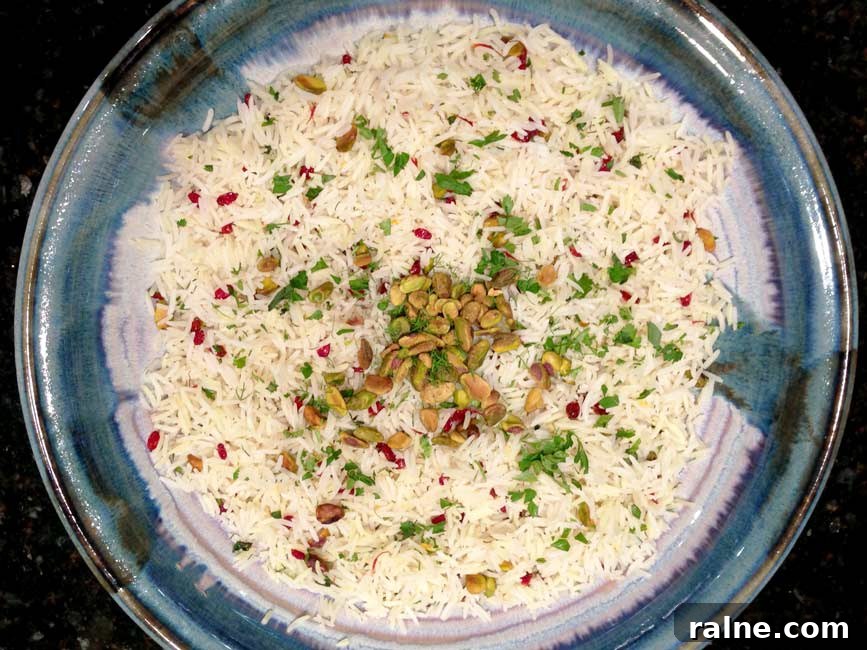
- Saffron Rice with Pistachio and Mixed Herbs — herb-forward rice studded with barberries and nuts for color and flavor contrast.
Tasting Jerusalem is a virtual cooking community exploring the vibrant flavors of the Middle East. Join the conversation on our Facebook page and in the Tasting Jerusalem Facebook group to share recipes and ideas.

Buy my cookbook now!