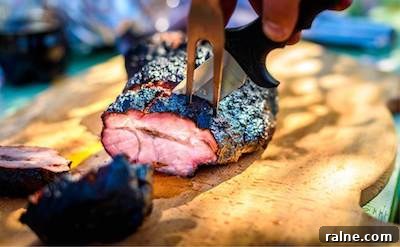
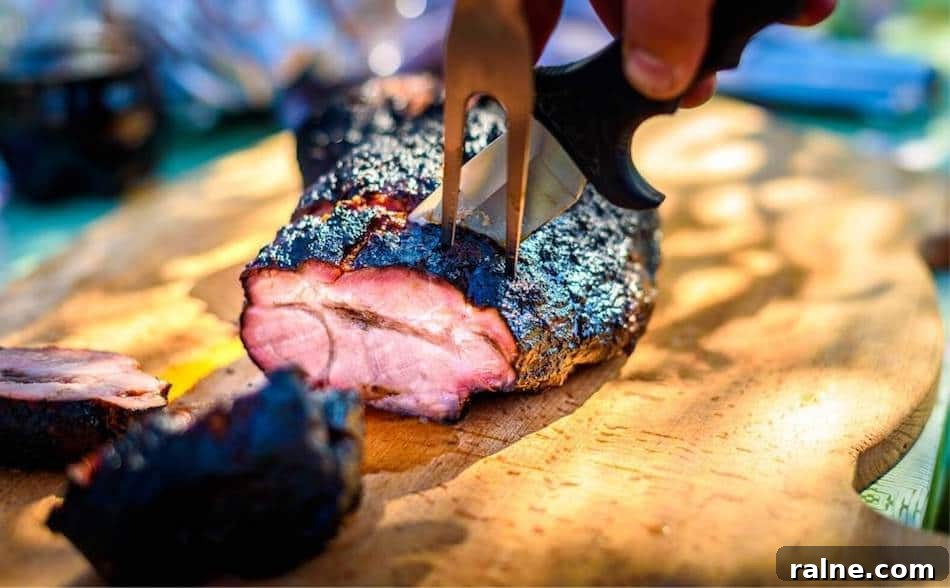
The flavor of properly smoked meat is hard to beat, but occasionally a batch can turn out bitter. Bitter smoke is a common issue that usually stems from controllable factors. This article explains the most frequent causes of bitter smoked meat and offers practical tips to prevent and fix the problem so your next cook delivers the balanced, savory results you expect.
Creosote buildup, poor airflow, and the wrong wood choices are typical reasons for bitter-smelling or bitter-tasting smoked meat. Creosote is a tarry residue that forms when smoke lingers on meat for too long. It imparts an unpleasant, oily bitterness and can even numb the tongue. At the same time, certain woods — like mesquite when overused — and contaminated or wet wood can overwhelm or contaminate the flavor. The key to consistent results is balancing smoke, heat, and time so you get a clean, thin blue smoke rather than thick, choking smoke.
Quick Tips
- Creosote: tarry residue from excess smoke; causes bitterness and off flavors
- Insufficient airflow: allows smoke to hang on the meat and form creosote
- Over-smoking: too much smoke exposure creates bitterness
- Avoid heavy-handed use of mesquite or other strong woods
- Contaminated wood (painted or pressure-treated) produces unpleasant, unsafe smoke
- Too much wood or wood that is too wet or green creates dense smoke
- Smoking at excessively high temperatures can burn fats and rub sugars, producing bitter notes
- Wood chips burn quickly and can over-smoke; wood chunks are generally better for controlled smoke
- Overlong smokes increase the chance of creosote and off flavors
- Excess surface fat can trap smoke and contribute to bitterness; trim appropriately
- Avoid pine, cedar, and other pitchy woods for most meats; choose complementary woods instead
Why Smoked Meat Can Taste Bitter and How To Prevent It
| Cause of Bitter Smoked Meat | Solution |
|---|---|
| Creosote formation due to poor airflow | Improve ventilation and airflow in the smoker |
| Excessive use of mesquite wood | Use mesquite sparingly or choose a milder wood |
| Dirty smoker | Clean the smoker before each cook |
| Meat too fatty or not trimmed | Trim excess fat or select leaner cuts |
| Meat overcooked | Cook to proper internal temperatures and monitor closely |
| Cooking at too high a temperature | Maintain moderate smoking temps (225–250°F) |
| Smoking for too long | Adjust cook time and watch for creosote signs |
| Poor seasoning or burnt rub sugars | Use appropriate rubs and avoid excessive sugars or high temps |
Why is My Smoked Meat Bitter?
Most bitter smoke problems trace back to creosote. Creosote is a black, oily residue that forms when smoke accumulates on meat under low-ventilation conditions. Adequate airflow is essential: when smoke can pass over the meat and exit the smoker freely, it leaves a clean, delicate smoke flavor. When smoke stalls, chemical compounds condense on the meat and form that tarry layer that tastes and smells unpleasant.
Think of it like a closed room that has held cigarette smoke for a long time — the trapped smoke becomes stale and offensive. In the smoker, that stale smoke becomes a crust on the meat you can taste instead of just smell.
Creosote Giving Your Smoked Meat a Bitter Aftertaste?
To confirm creosote is the issue, try a couple of quick tests:
- Ice water test: Hold a glass of ice water in the smoke stream. If black, tarry residue appears on the glass within a minute, the smoker is producing too much dense smoke.
- Trial meat test: Smoke a small, non-prime piece of meat and taste the darkest portion. Numbing or a strong bitter taste indicates creosote formation.
Meat Has a Bitter Aftertaste: How Do I Fix It?
Once creosote is present, options are limited, but you can minimize damage and salvage parts of the cook:
- Open the exhaust vent fully: Allow smoke to flow through the smoker and exit quickly rather than stagnating.
- Stop adding wood: Adding more fuel increases dense smoke production — stop and let things stabilize.
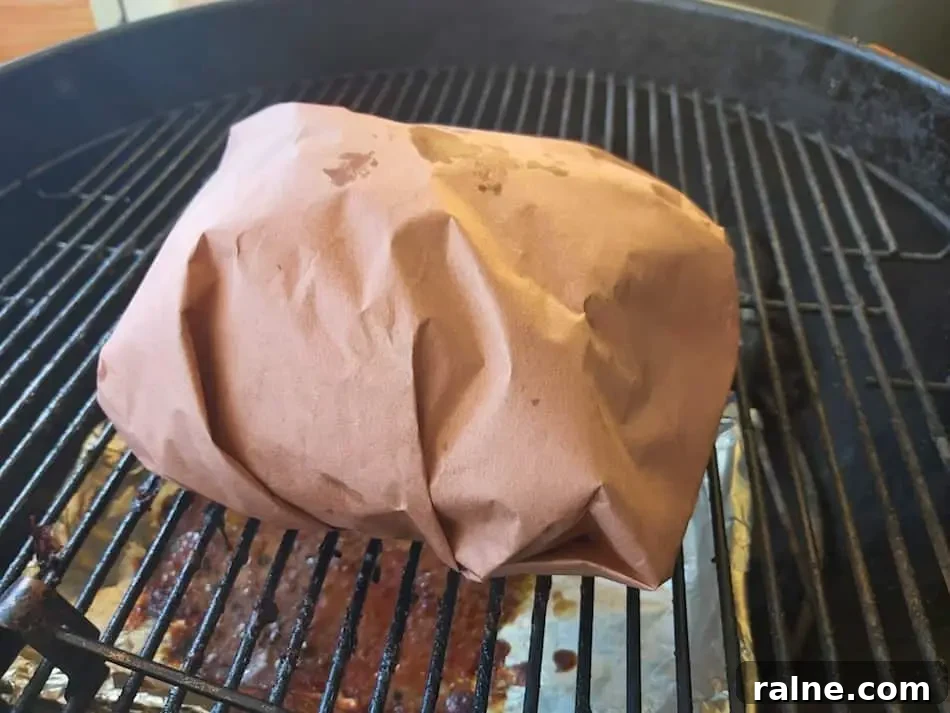
- Wrap in foil: If excessive smoke persists, wrapping the meat can protect it from further soot accumulation, though it will reduce smoky flavor intensity.
If your smoker lacks vents, manage smoke by frequently lifting and replacing the lid to prevent long smoke exposure while you address airflow issues.
Why Does My Smoked Meat Taste Bitter? Other Possibilities
If creosote isn’t the cause, consider these other factors:
- Poor airflow: Even when creosote isn’t obvious, restricted ventilation can still create harsh smoke flavors.
- Excessive or wet wood: Too much wood or wood that isn’t fully dried makes heavy, acrid smoke.
- Green wood: Immature or poorly seasoned wood produces excess steam and unclean smoke.
- Strong-flavored woods: Woods like mesquite or other intensely flavored species can overpower meat if used excessively.
- Dirty smoker: Ash, soot, and old grease can contribute off flavors — clean the chamber regularly.
- Burnt sugars in rubs: Sugary rubs can char at smoking temperatures and produce bitter, burnt flavors; adjust sugar content or temperature.
My Smoked Meat Is Bitter: What Can I Do?
When bitterness remains after cooking, you can still improve the final experience:
- Trim off creosote: Slice away any dark, tarry outer layers from thicker cuts to reveal cleaner meat beneath.
- Slice thinly and pair wisely: Cutting meat thin and serving with a bright, sweet-tangy side (coleslaw or vinegar-based sauce) can help mask residual bitterness.
- Use vinegar-based sauces: Tangy sauces often cut through bitter notes better than purely sweet sauces.
Get that Thin Blue Smoke and Avoid Bitter Meat
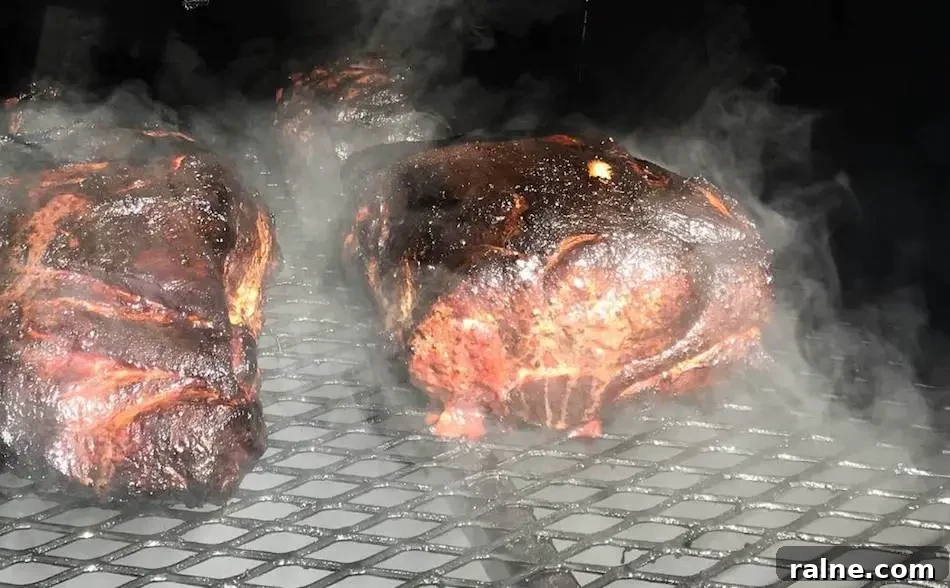
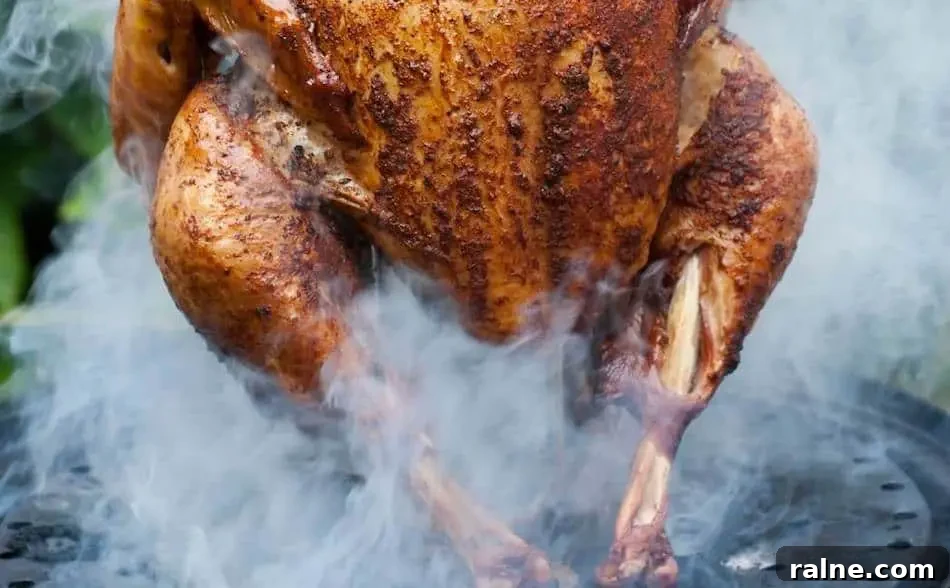
Grill masters aim for “thin blue smoke”: a faint, almost invisible smoke produced by clean-burning wood. Achieving it prevents creosote and preserves delicate smoke flavors. Follow these core practices:
Control the Temperature
Start with a stable bed of hot coals before adding smoking wood or meat. Use dampers and vents to regulate oxygen and maintain a steady temperature. A reliable smoking range is 225–250°F; stabilize the coals in that window before introducing smoke wood or meat. Consistent coals provide heat without producing excess smoke.
Cook with the Right Piece of Meat
Choose cuts with good, even marbling for larger roasts; avoid overly fatty or poor-quality pieces that may cook unpredictably. Ribs should have solid meat coverage without excessive surface fat. Proper cuts help maintain steady cooking behavior and reduce the need for extra wood or adjustments that produce excess smoke.
Add Smoking Wood Carefully
Smoke wood should burn slowly and cleanly. Avoid treated or painted woods, pitchy species like pine and cedar, and green or very wet wood. Start with small amounts of smoke wood and add gradually until you see thin blue smoke. Fruitwoods (apple, cherry) and mild hardwoods are often good choices for balanced flavor.
Take Your Time
Smoking is as much patience as technique. Wait for the coals to settle and resist the urge to add excess wood or open the smoker repeatedly. For long cooks, expect stalls in temperature and resist adding fuel unnecessarily. Patience helps maintain the right balance of heat and clean smoke.
Keeping Bitterness Off the Barbecue
Most off flavors are avoidable with clean equipment, proper airflow, well-seasoned and appropriately dried wood, correct temperatures, and patience. If you encounter bitterness, diagnose creosote first, then consider wood quality, rubs, and smoker cleanliness. Following these guidelines will help you consistently produce flavorful, smoke-kissed meats without the bitter aftertaste.
Related:
My Favorite Meat Smoking Tools
Thanks for reading. If you want reliable results, invest in a quality thermometer (for accurate internal temps), an instant-read probe for spot checks, and good butcher paper for wrapping brisket if desired. Clean your smoker, choose dry, appropriate wood, and aim for thin blue smoke to avoid bitterness and enjoy cleaner, more consistent barbecue.