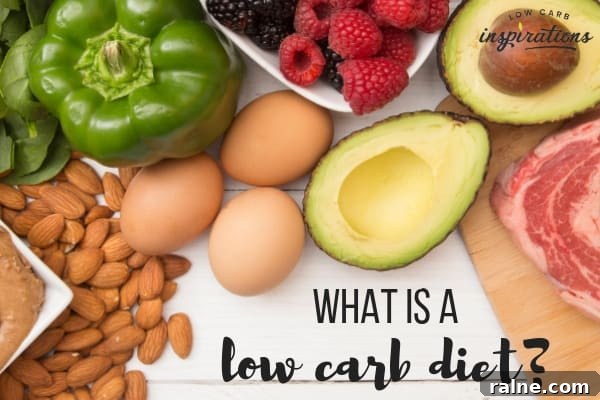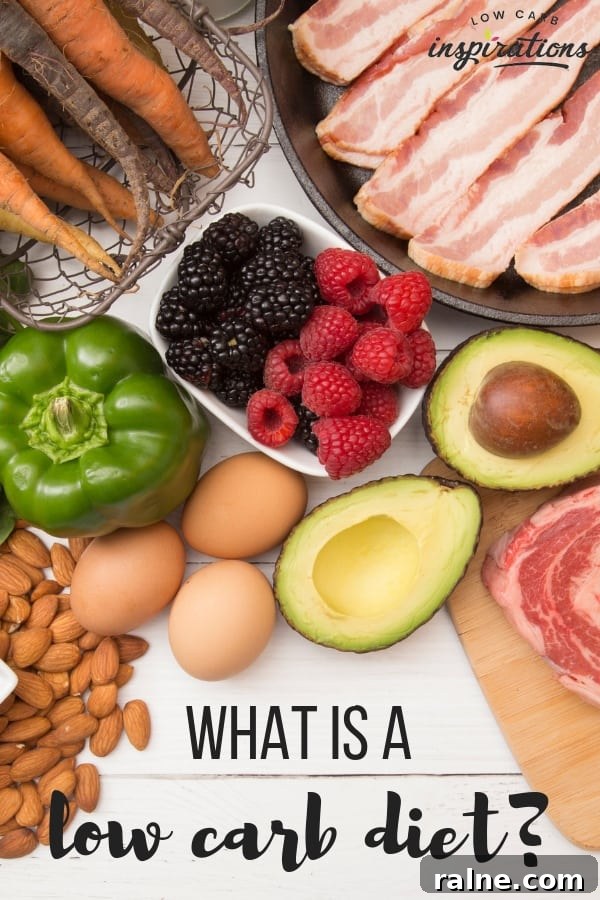
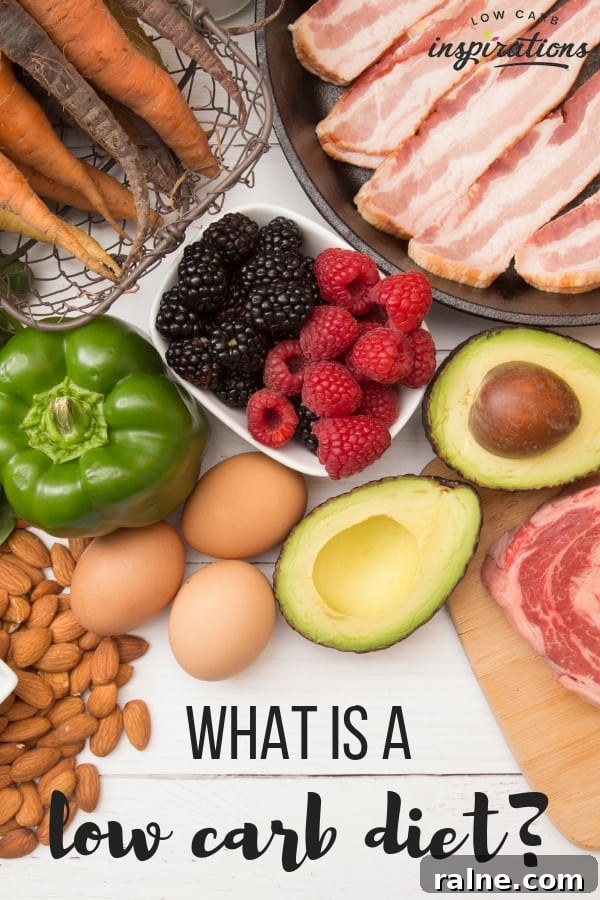
You’ve probably heard the term “low carb diet” but may not be completely certain what it involves. A low carb approach is not a passing fad; it has been used for many years and has gained renewed attention alongside diets like keto. If you want a clear, practical overview of the low carb diet—what it is, how it helps, and what to eat—read on.
Health benefits of a low carb diet
Many people choose a low carb diet for health reasons. Doctors recommend it to some patients, and others try it after seeing positive results in friends or family. Research and experience point to several notable benefits. Among the potential advantages of reducing carbohydrate intake are:
- Weight loss and improved body composition
- Lower blood pressure
- More stable blood sugar and improved insulin sensitivity
- Reduced stress related to blood sugar fluctuations
- Lower fasting glucose levels
These benefits will vary by individual, and outcomes depend on how the diet is followed, activity level, sleep, stress, and other lifestyle factors.
Protein, healthy fats, and fewer carbs
A low carb diet emphasizes protein and healthy fats while limiting carbohydrates. People commonly track macronutrients—protein, fat, and carbs—to tailor the diet to their needs. There isn’t a single universal macro split; individuals choose targets based on factors such as weight, activity level, and goals. For context, ketogenic diets typically restrict carbs to roughly 0–20 grams per day, while many low carb plans allow more, often in the range of 50–100 grams daily. Adjusting your intake to suit your goals will help you get the best results.
Foods to avoid on a low carb diet
Knowing which foods to limit or avoid makes following a low carb plan much easier. Common high-carbohydrate foods to reduce or eliminate include:
- Bread and grain-based products
- Flour tortillas
- High-sugar fruits and dried fruit (bananas, raisins, dates, mango, pears)
- High-starch vegetables (corn, potatoes, sweet potatoes, beets)
- Pasta and cereal
- Beer and many fruit juices
- Most beans and legumes (in large portions)
- Honey and refined sugars
Portion size and frequency matter: some people can include small amounts of certain higher-carb foods and still meet their goals, while others do better avoiding them completely.
Low carb food choices
Equally important is knowing what you can eat freely. A variety of nutritious, low carb foods make the diet sustainable and satisfying:
- Fish and seafood
- Eggs
- Lean and fatty meats
- Nuts and seeds
- Cruciferous vegetables such as cauliflower and broccoli
- Leafy greens and other low-carb vegetables
- Unsweetened dairy products (if tolerated)
- Lower-sugar berries like blueberries and strawberries (in moderation)
Choosing these foods makes it easier to stay full and nourished while reducing carbohydrate intake.
Portion control matters. Even low carb foods can slow weight loss if you consistently overeat. Track portions and, if helpful, log your intake to monitor progress. A simple meal plan and a food journal can be powerful tools for staying on track and identifying what works or what may be causing plateaus.
Practical tips to support success:
- Create weekly meal plans to avoid last-minute high-carb choices.
- Keep a food journal to spot patterns and adjust intake when progress stalls.
- Remove tempting junk foods from your home so you have healthier options readily available.
Transitioning to a low carb lifestyle takes some adjustment, but with planning and consistency it can lead to meaningful improvements in weight and metabolic health.