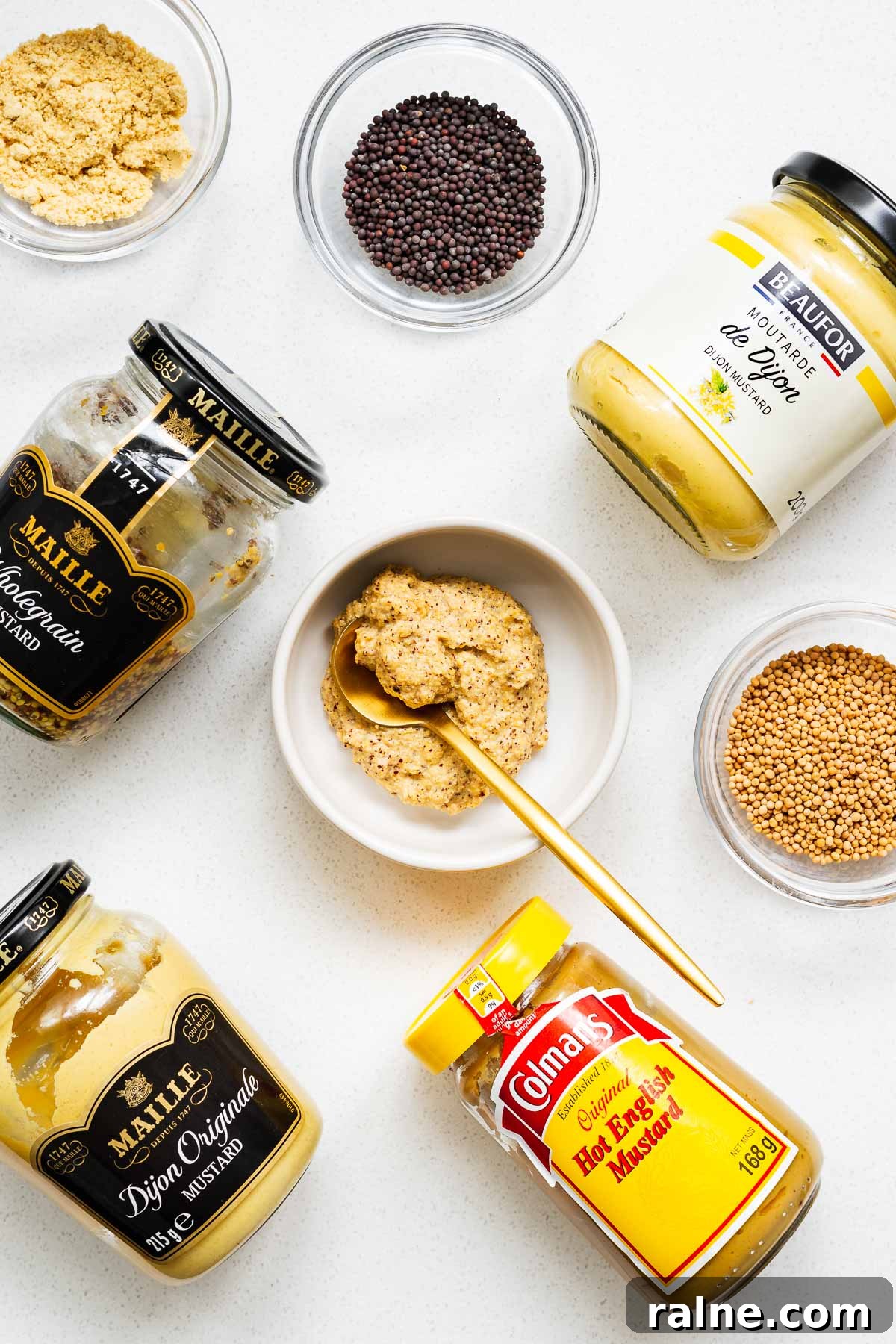
Have you ever started a dressing only to discover you’re out of Dijon mustard? Or you don’t want to run to the store? No problem — this easy Dijon mustard substitute will save the day.
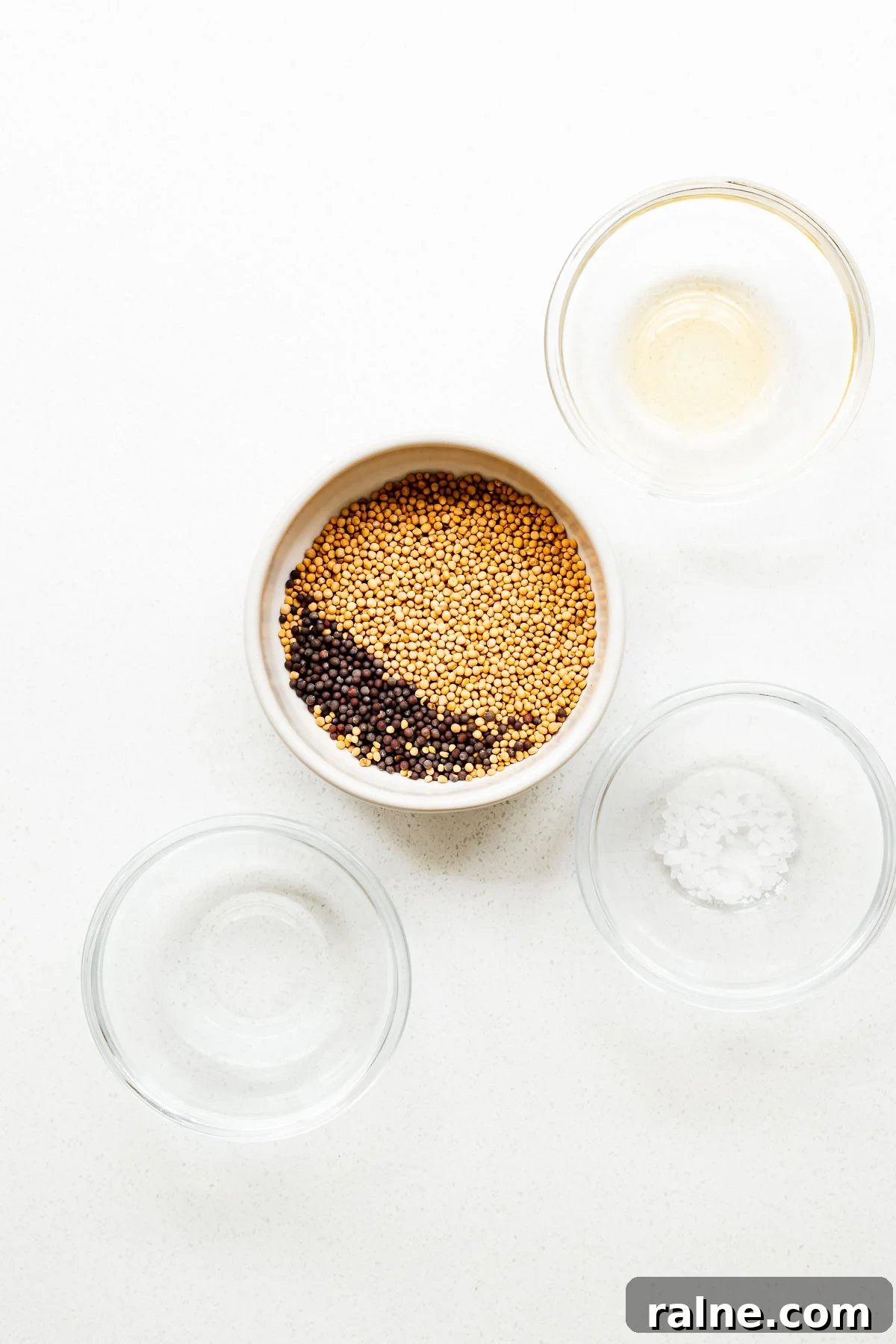
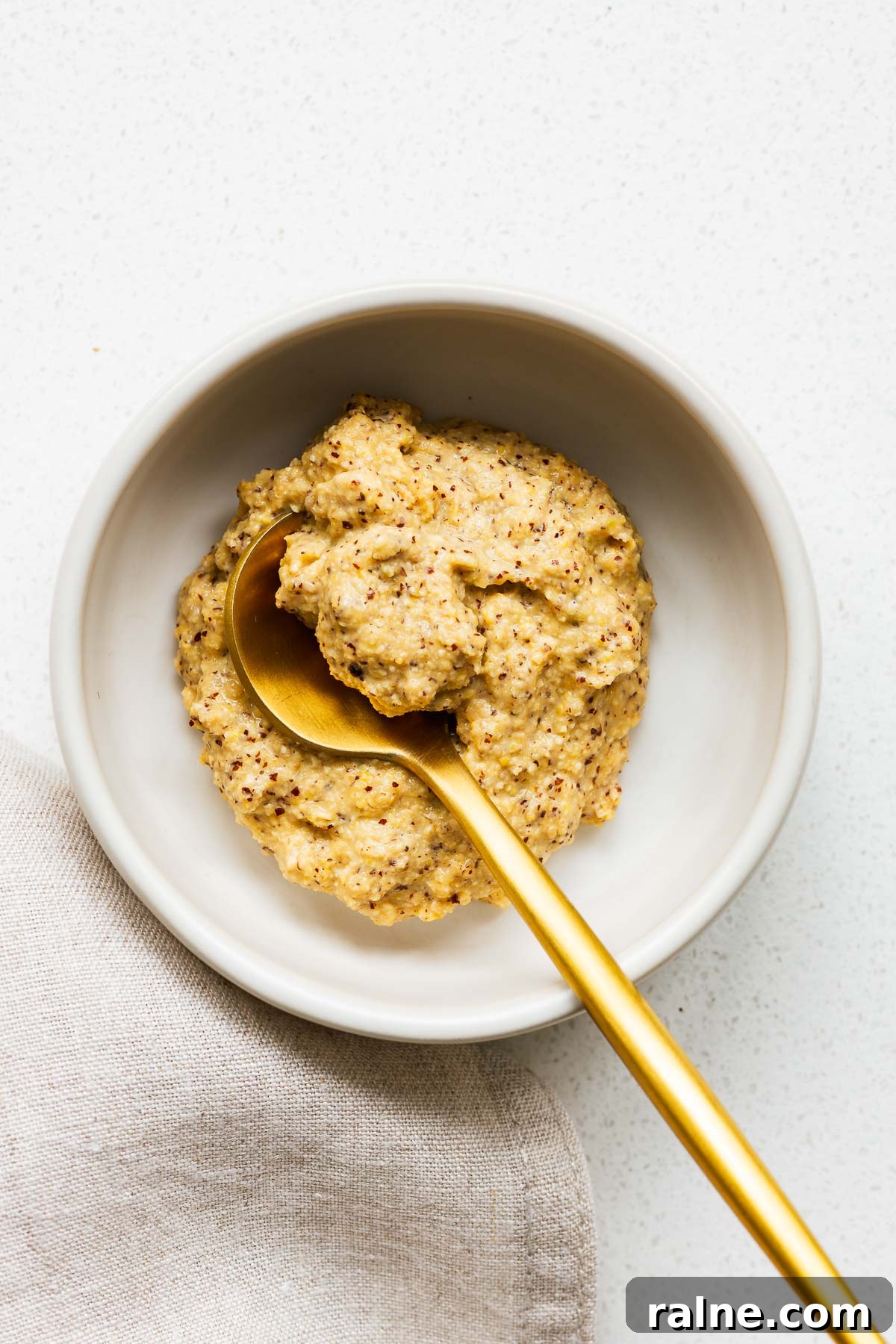
You can make an excellent Dijon replacement in under 10 minutes with just mustard seeds, sea salt, white wine vinegar and water.
If you prefer a ready-made alternative, there are several mustards and other condiments that work well as substitutes. See the overview below to find the best match for your pantry and taste.
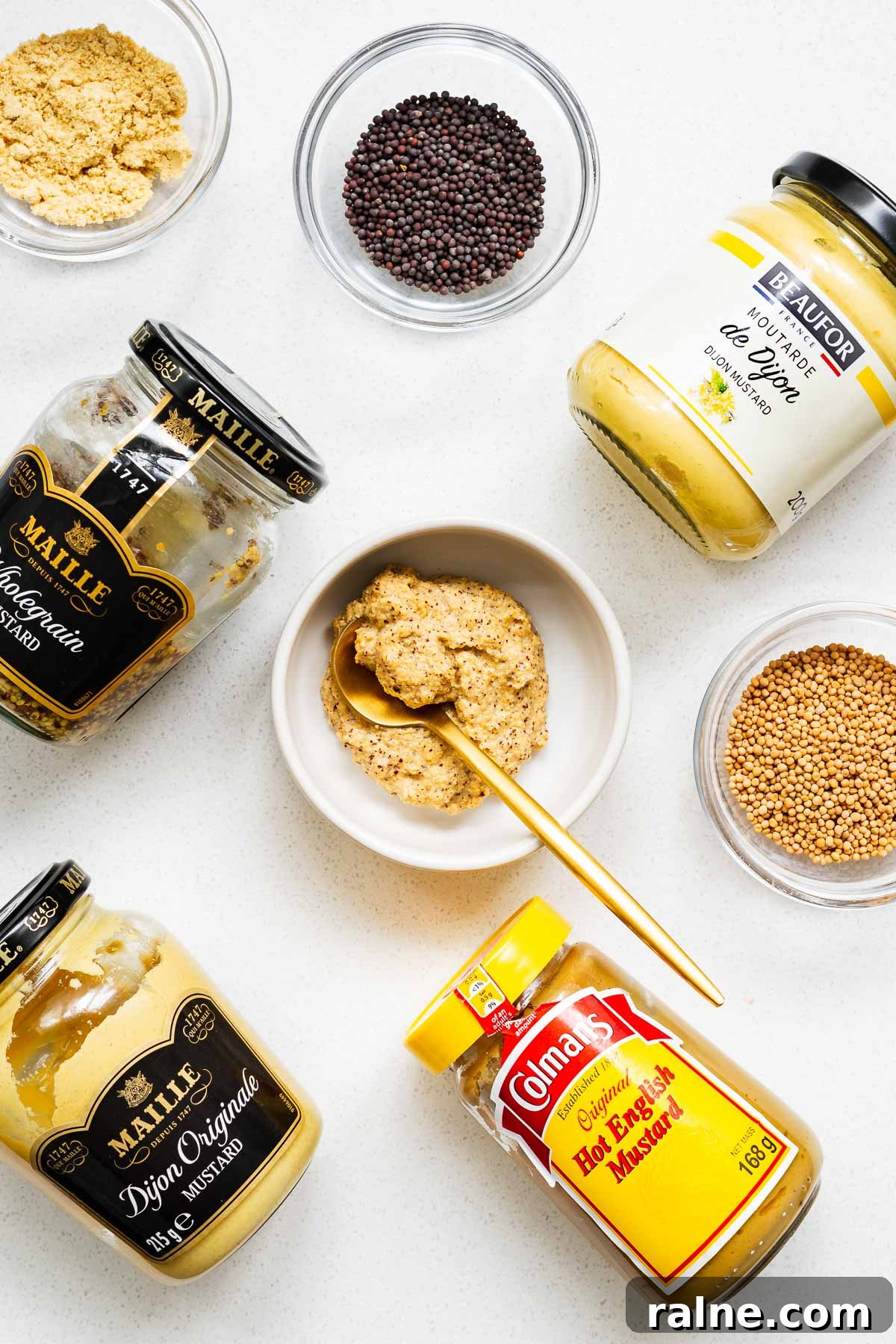
Table of Contents
- What is Dijon mustard?
- Typical Dijon mustard ingredients
- The best substitutes for Dijon mustard
- How to use Dijon mustard
- Frequently asked questions
- Best Dijon mustard recipe
What is Dijon mustard?
Dijon mustard (moutarde de Dijon) is a French-style mustard made from ground mustard seeds combined with white wine or white wine vinegar and salt. It comes in smooth, stone-ground and whole-grain varieties; the smooth, creamy version is the most common.
Dijon usually has a pale yellow colour and a sharp, tangy, slightly pungent flavor that’s stronger than typical yellow mustard. It’s a frequent base for specialty mustards and dressings like honey mustard.
True, slow-made Dijon can require a few days of soaking mustard seeds in vinegar and wine, but you can recreate a very similar flavour quickly with the recipe below or by using one of the suitable substitutes listed further down.
Typical Dijon mustard ingredients
At its core, Dijon mustard is simply ground mustard seeds plus an acidic component. Traditional Dijon relies on two main ingredients: mustard seeds and white wine (or white wine vinegar).
Mustard seeds determine the heat and character: yellow seeds are mild and slightly sweet, brown seeds are more pungent, and black seeds are the most intense. White wine or white wine vinegar adds bright acidity and a distinctive flavour note, while salt balances the mix.
The quick homemade substitute in this article uses these same elements to approximate Dijon’s taste without the long soak time.
The best substitutes for Dijon mustard
You don’t need Dijon to get that tangy, mustardy lift. The best quick fix is a homemade Dijon substitute made from ground mustard seeds, white wine vinegar and salt. If those ingredients aren’t available, other mustards and condiments can stand in depending on the recipe and your flavour preference.
- Mustard powder (dry ground mustard)
- Yellow mustard
- Whole-grain mustard
- Creole mustard
- Spicy brown mustard
- Hot English mustard
- German mustard
- Honey mustard (sweeter)
- Beer mustard
Mustard’s sharpness comes from allyl isothiocyanate (AITC), the same compound that gives horseradish and wasabi their heat. When you want heat but lack mustard, wasabi or horseradish can provide a similar nose-clearing effect. For a milder, non-mustardy alternative, a blend of turmeric, chilli and garlic or a seasoned mayonnaise base can work in dressings and spreads.
Homemade Dijon mustard substitute
This quick substitute captures Dijon’s bright, tangy flavor using readily available pantry items. It’s fast, fresh and works as a direct swap.
To make about two tablespoons:
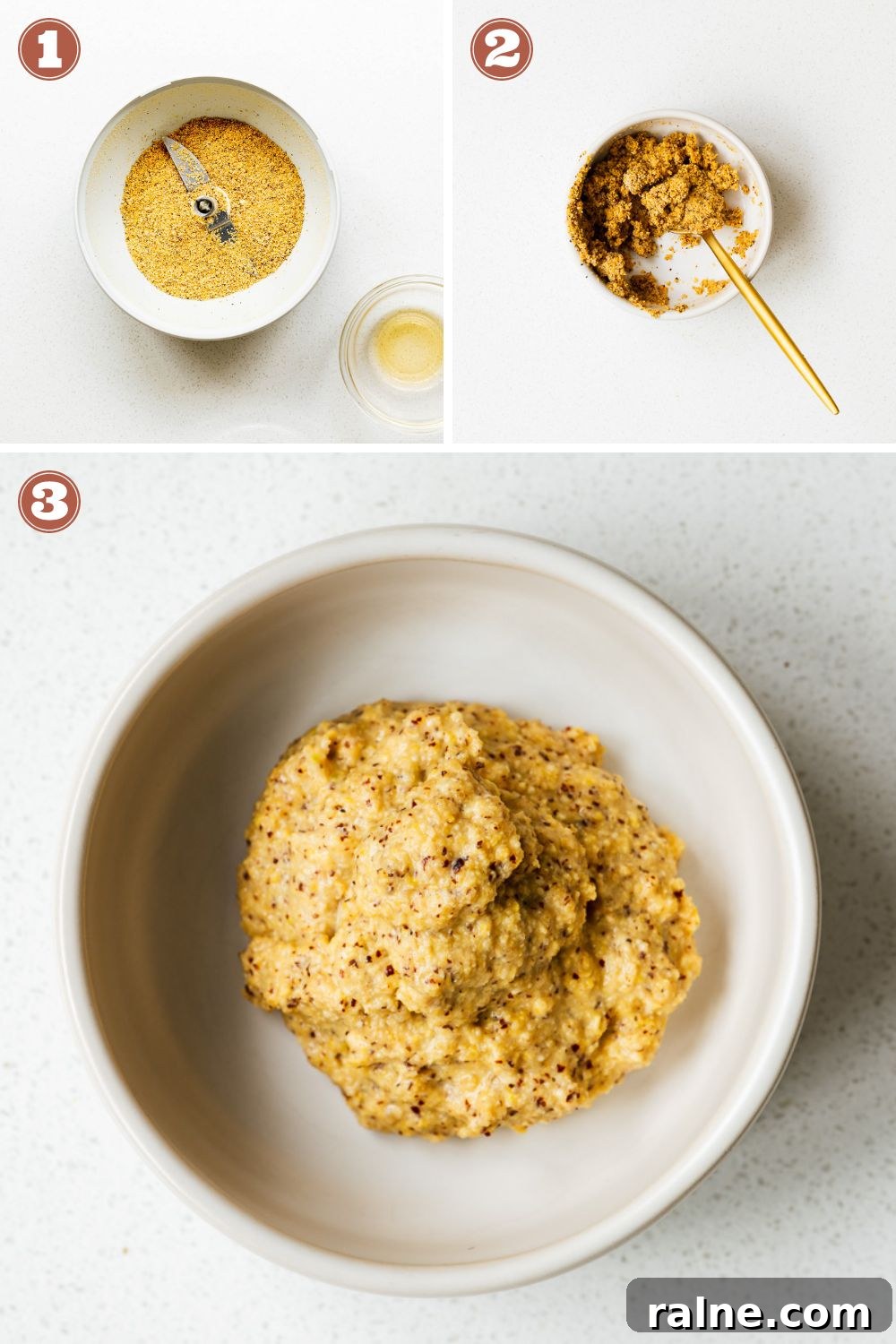
- Grind 4 teaspoons mustard seeds with 1/4 teaspoon sea salt until fine. The finer the grind, the smoother the mustard.
- Stir in 1½ teaspoons white wine vinegar and 4 teaspoons water. Add more water a teaspoon at a time if needed to reach desired consistency.
- Let rest at least 5 minutes before using to allow flavours to meld.
Brown mustard seeds give the closest classic Dijon heat; a blend of yellow and black seeds works nicely for complexity, while only yellow seeds will be milder. If you don’t have whole seeds, use dry mustard powder, though many store powders contain turmeric and other spices that yield a milder, different-flavoured result.
Use this homemade mix as a 1:1 substitute for Dijon in dressings, marinades, sauces and spreads.
Dry mustard powder
Dry mustard powder is ground mustard seeds and makes a good substitute in sauces, dressings and marinades. Some commercial powders include turmeric or other additives, so the final flavour may be milder than prepared Dijon.
To convert powder into a paste, mix one part mustard powder with two parts liquid (water, wine or beer) until you reach the desired consistency. Let it sit five minutes, season with salt, and use as a substitute. As a guideline, one teaspoon mustard powder replaces one tablespoon Dijon.
Honey mustard
Honey mustard blends honey with mustard and vinegar, offering a sweeter, milder profile. It’s a good replacement where a sweeter note is acceptable, such as dressings, sandwiches and dips.
To make a quick version, mix 1 teaspoon honey into 1 tablespoon prepared mustard and, if desired, a tablespoon oil for a smoother texture. Remember honey mustard is noticeably sweeter than Dijon, so adjust accordingly in recipes.
Yellow mustard
Yellow mustard is milder, often thinner, and usually contains added spices such as turmeric and paprika. In a pinch, use yellow mustard 1:1 for Dijon, then add a splash of white wine vinegar and a pinch of salt to brighten and approximate Dijon’s acidity. Mixing in some ground mustard seeds will boost the pungency if needed.
Whole-grain mustard
Whole-grain mustard is an excellent alternative. It uses coarsely ground seeds and vinegar or lemon juice, giving a robust mustard flavour with a textured finish. Use it as a direct substitute, or mellow an especially strong jar with a touch of honey or a splash of white wine vinegar and a pinch of salt.
Spicy brown mustard
Spicy brown mustard delivers creaminess with a stronger kick from additional spices. It typically uses distilled vinegar, which is sharper than white wine vinegar. Use it as a substitute when you want extra heat and spice in your dish.
Hot English mustard
Hot English mustard is bold and fiery; it’s available prepared or in powder form. To use powder, mix with white wine vinegar and cold water to form a paste, season with salt and rest 10 minutes. Because it’s intense, start with half the amount your recipe calls for and adjust to taste.
German mustard
German mustards vary regionally from sweet to very hot. If a jar is too sweet, add a splash of white wine vinegar and a pinch of salt; if too mild, stir in some mustard powder or cayenne. Adjust to taste and use 1:1 as a Dijon substitute.
Creole mustard
Creole mustard, common in the southeastern United States, uses coarsely ground brown mustard seeds and white wine vinegar, making it a very compatible Dijon substitute in sauces and vinaigrettes. Use it directly in place of Dijon.
Beer mustard
Beer mustard is made with beer for a sweet, tangy depth. It’s less pungent than Dijon but can add an interesting twist in dressings, sandwiches and dips. Replace Dijon 1:1 when you want that malted, slightly sweeter profile.
Turmeric, chilli pepper, and garlic
If no mustard products are available and you want a mustard-like seasoning, mix turmeric, chilli powder, garlic powder, salt and a splash of white wine vinegar with oil to create a bright, savoury paste. It won’t replicate Dijon exactly, but it’s a useful, mustard-free flavour alternative for dressings and spreads.
Mayonnaise
Mayonnaise is a smooth, creamy substitute for Dijon as a spread or in cold sauces. To mimic Dijon’s tang, mix mayonnaise with a teaspoon of white wine vinegar, a teaspoon of honey, a pinch of garlic powder and a bit of cayenne or wasabi for heat. Use as a 1:1 replacement in cold applications; for cooked sauces, choose a different substitute better suited to heat.
Wasabi
Wasabi delivers a sharp, pungent heat similar to mustard’s nose-burning effect due to AITC. Mix 1 tablespoon wasabi with 1 teaspoon olive oil, 1 teaspoon white vinegar and a pinch of salt. Add honey if you want sweetness. The colour differs, but the heat and pungency can substitute for Dijon in dressings and sauces.
Horseradish
Horseradish, a relative of mustard, provides bright, pungent heat. Creamy horseradish sauce works well in place of Dijon for dressings, spreads and sauces. Many prepared horseradish products contain similar emulsion bases and offer an easy swap.
How to use Dijon mustard (and substitutes)
Dijon is a versatile kitchen staple with a clean mustard flavour from ground seeds and white wine or vinegar. It brightens dressings, marinades, sauces, spreads and even soups.
Suggested uses:
- Salad dressings: Whisk Dijon with oil, lemon or vinegar, honey and seasoning for a quick vinaigrette.
- Marinades: Combine Dijon with oil, honey or maple and garlic for meat or fish marinades.
- Sauces: Stir a spoonful into cream or pan sauces for acidity and depth.
- Spreads: Use Dijon on sandwiches or mixed with mayonnaise for extra tang.
- Soups: A teaspoon can add complexity to creamy soups and chowders.
- Dips: Blend Dijon with yoghurt, tahini or hummus for a tangy dip.
Frequently asked questions
The best substitute is ground mustard seeds mixed with white wine vinegar and salt. Other good options include creole mustard, whole-grain mustard, spicy brown mustard, or prepared yellow mustard adjusted with vinegar and salt.
Yes. Yellow mustard can replace Dijon in a pinch, though it’s milder and often contains other spices. Add a splash of white wine vinegar and a pinch of salt to brighten the flavour and get closer to Dijon.
Dijon traditionally uses brown mustard seeds and white wine or white wine vinegar for a sharper, more pungent flavour. Regular yellow mustard uses yellow seeds and often includes turmeric and other spices, producing a milder, slightly sweeter taste.
Classic Dijon contains ground mustard seeds, white wine or white wine vinegar, and salt. It can be smooth, stone-ground or whole-grain in texture.
You can’t truly turn yellow mustard into authentic Dijon because commercial yellow mustard often contains turmeric and other spices. However, you can adjust yellow mustard with white wine vinegar and salt to make a passable substitute.
Homemade Dijon Mustard Substitute
Equipment
-
Spice grinder or
-
Mortar and pestle
Ingredients
- 4 teaspoons mustard seeds
- ¼ teaspoon sea salt
- 1½ teaspoon white wine vinegar
- 4 teaspoons water
Instructions
-
Grind the mustard seeds with the salt until fine. Finer grind = smoother mustard.
-
Mix the ground seeds with the white wine vinegar and 2 teaspoons water. Add the remaining water one teaspoon at a time until you reach the desired texture.
-
Let the mixture sit at least 5 minutes before using to allow flavours to develop.
Notes
- Brown mustard seeds produce the most classic Dijon heat; yellow seeds will be milder.
- If using dry mustard powder, expect a different flavour if the powder contains turmeric; you may need more water.
- Store leftovers refrigerated in an airtight container for up to one week.
- See the section above for additional Dijon substitutes and ideas.
Recipes with Dijon mustard:
- Easy Hummus Dressing
- Maple Tahini Dressing
- Herbed Potato Salad (No Egg, No Mayo)
- Red Potato Salad With Dill
- Kale Salad With Tahini Dressing
- Preserved Lemon Vinaigrette