When my cousin handed me a handwritten map sketched on the back of his mother’s lunch menu, I assumed I’d spend a few hours driving around Virginia and maybe glimpse an old house.
“Follow this road past the river where Grandma and her cousins swam,” he said, drawing familiar landmarks. “You’ll find the church where generations worshipped, and if you keep going, you’ll reach the home place.”
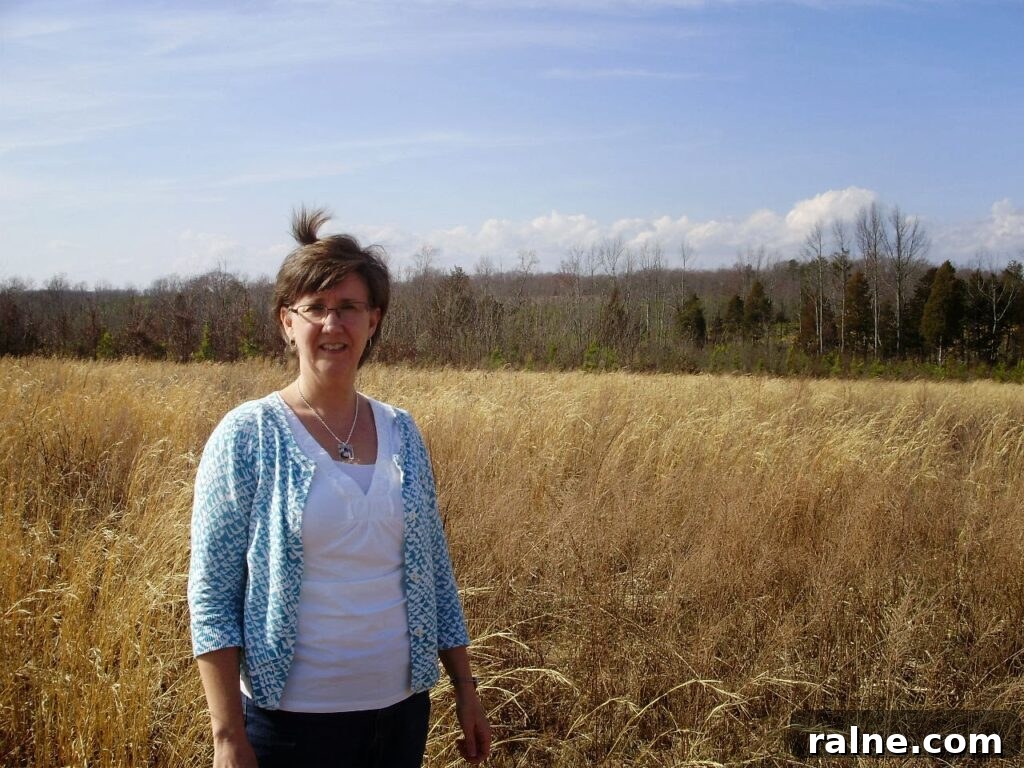
Scuffletown, Virginia—hardly a tourist mecca. But driving the country road where my great-great-grandparents lived changed the way I approach family history research.
Why Heritage Travel Actually Matters
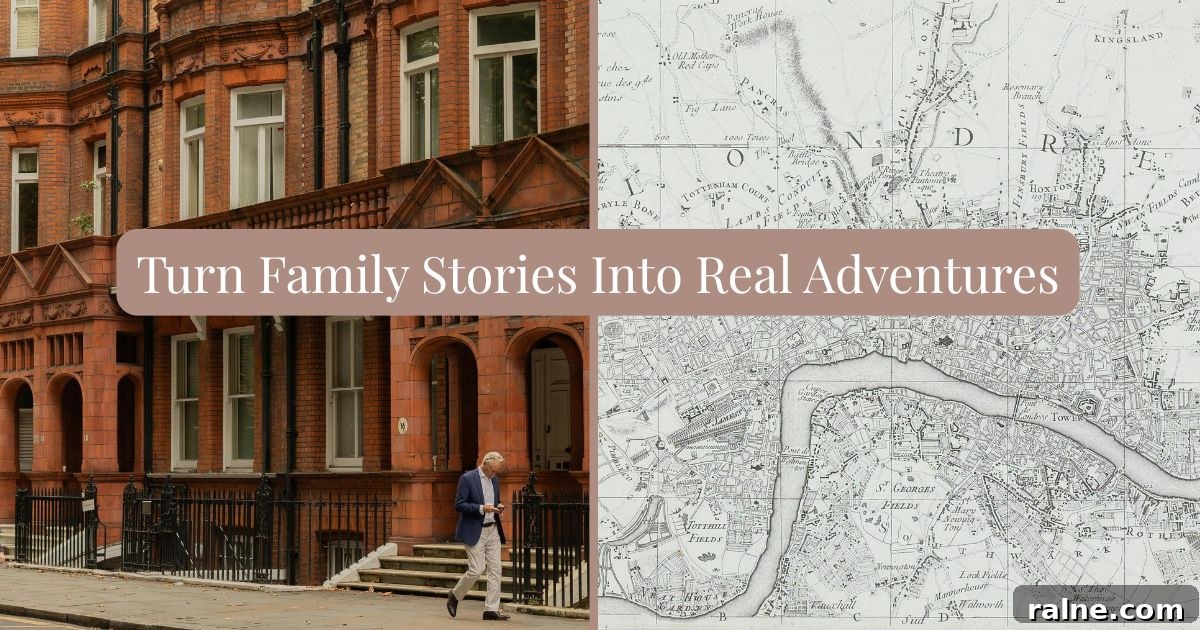
I’ve spent years building family trees and tracking down records. There’s a clear difference between knowing that a 6th great-grandfather ran a coffeehouse in London and standing where his shop once stood—sipping coffee and watching people pass by on their way to work.
Research gives you facts. Being there gives you the story.
You don’t need a perfect family tree to benefit from heritage travel.
Before you pack, take time to organize those mystery family photos you’ve been meaning to identify. A trip to ancestral places is a great chance to consult local historical societies or relatives you meet along the way.
Why that matters: Unidentified photos tucked in a shoebox might show the exact locations you plan to visit. Fragile photos, however, require careful handling before you use them as field research tools.
If originals are too delicate, consider professional scanning so you can bring digital copies on the trip. Digital versions let you share images with local contacts or researchers without risking the originals, and they provide backups of anything you uncover during your visit.
Often the stories revealed by photos during heritage travel become the most treasured part of the experience.
The research tells you the facts. Being there tells you the story.
What I Wish I’d Known Before My First Heritage Trip
I learned several lessons by trial and error. Here are the practical takeaways I wish someone had shared with me before I started planning:
You don’t need perfect records to begin. I used to assume exact addresses were required. Not true. Even a vague idea—“my great-grandmother was Irish” or “family stories mention Poland”—is enough to create a meaningful visit. DNA ethnicity estimates work too: “I’m 30% German” can point you toward cultural regions to explore.
Genetic ethnicity can guide cultural experiences. Tests that estimate ethnic breakdowns can also connect you to geographic areas where ancestors lived, which helps when records are sparse. Sometimes DNA reveals unexpected roots and opens new travel possibilities.
Choose one focus per trip. I once tried to cram archival research, sightseeing, and cultural immersion into a single week—and burned out. Now I decide which kind of trip I’m taking up front:
If you want cultural immersion, prioritize food, traditions, festivals, or classes rather than hunting down exact addresses. For archival research, block time for courthouses, archives, and records offices. If you’re searching for ancestral locations, map 2–3 key places and stay long enough at each to soak them in.
Engage more than your eyes. On a London visit, sitting in a café near where an ancestor ran his coffeehouse helped me imagine daily life more than any document could. Visit traditional restaurants, walk historic routes with period maps, and experience the climate and landscape that shaped your ancestors’ lives.
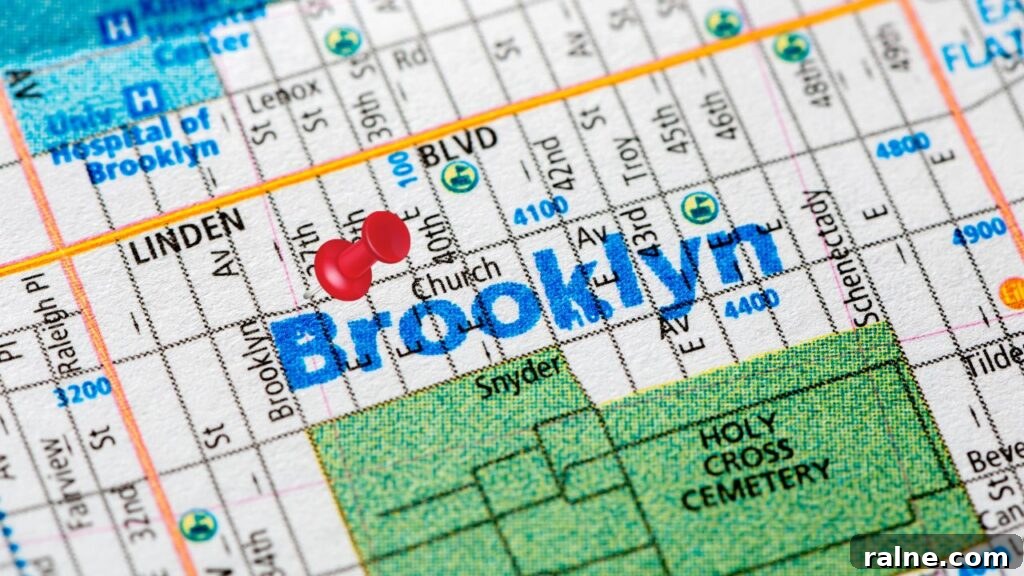
Research the context, not just names. Learn what was happening in the place and era your ancestors lived: economic conditions, migration pressures, or local industries that influenced decisions to stay or leave. Local historical societies are often eager to help and can provide context that turns names into stories.
Document your trip well. You are creating a record for future generations. Take photos that show context, make notes about surprising details, and keep small artifacts like local newspapers or church bulletins. These items help turn memories into shareable family history.
When You Can’t Actually Travel
If travel isn’t possible, there are good alternatives that still connect you to ancestral places:
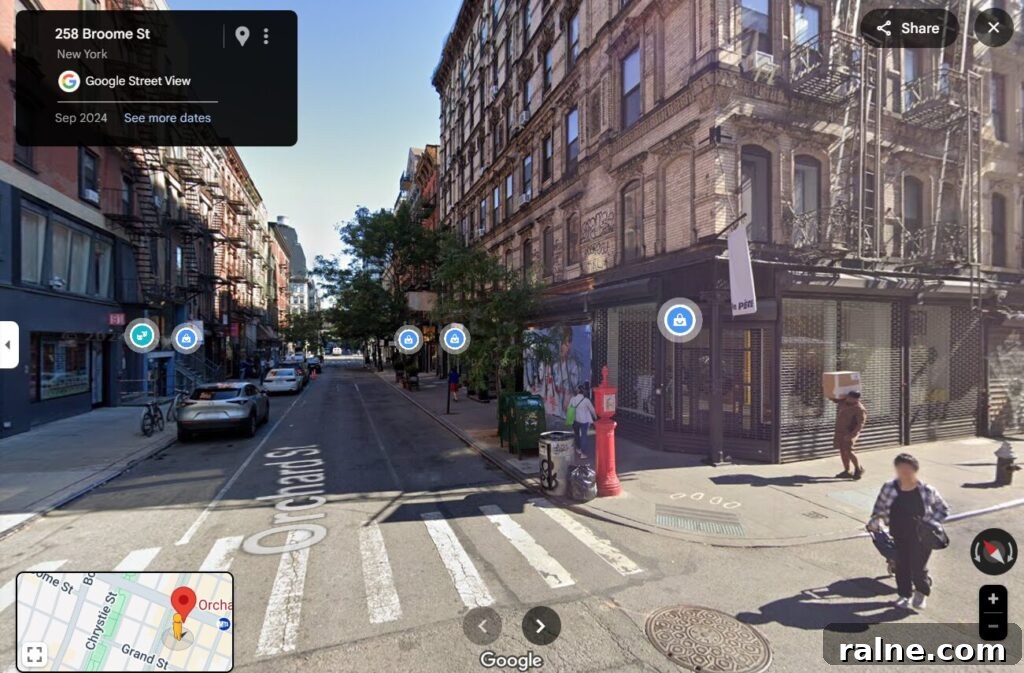
- Google Street View: Virtually “walk” ancestral neighborhoods to see how they look today.
- Museum websites: Many museums offer detailed online collections and virtual tours related to your ancestors’ regions.
- Local cultural organizations: Groups in your area representing your ancestors’ homeland often host events, classes, or resources you can attend.
- Cook traditional food: Preparing recipes from your ancestors’ country brings heritage into your home—and family members are more likely to engage when it involves shared meals.
These options aren’t the same as being there, but they’re far more vivid than staring at charts and indexes.
Why This Matters
After several heritage trips and years of research, I’ve learned that family history lives in more than documents. Experiences create connections.
Kids may ignore another discussion about census records, but they remember the time you stood where an ancestor lived or the meals you cooked from your family’s homeland. They connect with experiences, not spreadsheets.

Getting Started
Whether your ancestors came from Ireland, Mexico, small-town America, or anywhere else, their places and stories still exist and are waiting to be discovered.
You don’t need flawless records or a big budget—curiosity is the main requirement. Decide what kind of trip you want, prepare a simple research plan, and leave room for unexpected discoveries. Documents you find on the ground often provide clues you missed at home.
Where might your ancestors be calling you to visit? Share your destination ideas and next steps—sometimes a small tip can make a big difference.