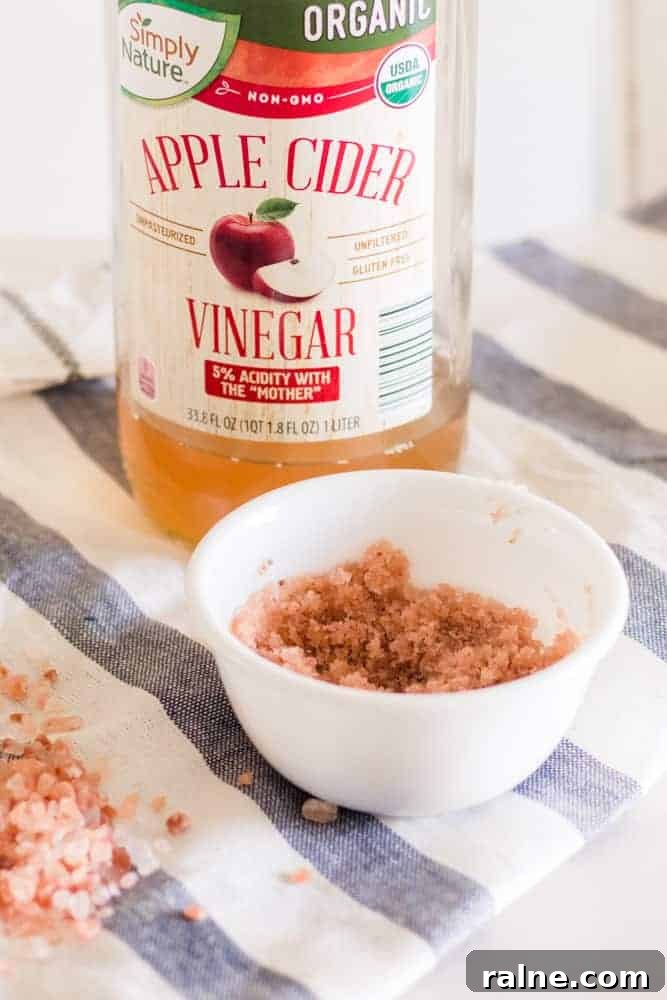
DIY scalp scrubs are simple to make at home, affordable, and helpful for managing dandruff. Made from nourishing ingredients and essential oils, these scrubs can strengthen hair and support a healthy scalp.
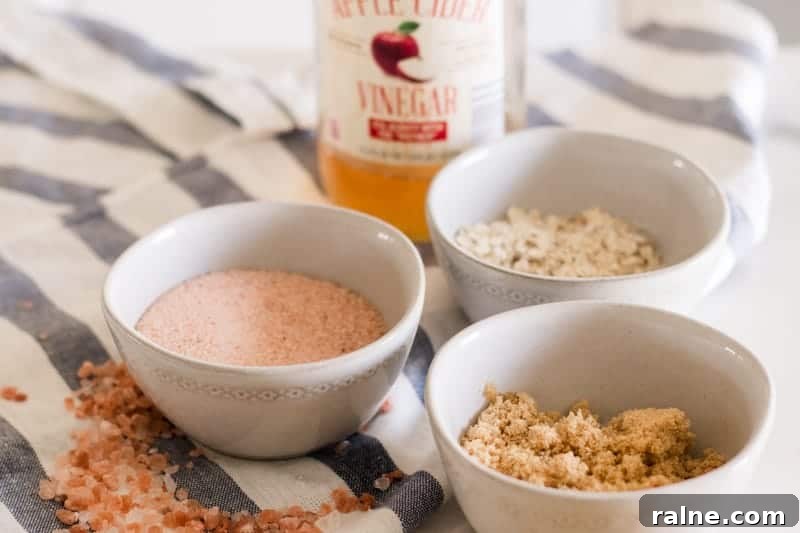
WHAT IS DANDRUFF?
Dandruff is a common scalp condition that causes the skin on the scalp to flake, leaving small white flakes in the hair. While most often found on the scalp, dandruff can also appear in beards and eyebrows. It can be persistent and frustrating to treat.
WHAT CAUSES DANDRUFF?
Dandruff can arise from several factors. The two most common are a dry scalp or an oily scalp. Excessive sebum production leads to an oily scalp, while inadequate moisture leads to dryness and flaking.
Overwashing can paradoxically contribute to an oily scalp by prompting the skin to produce more oil, while not washing enough can allow buildup and flakes to form. Other potential causes include skin irritation, reactions to hair products, yeast overgrowth, and skin conditions like eczema or psoriasis.
Other causes of dandruff:
- Over-washing hair
- Skin irritations
- Reactions to hair products
- Yeast
- Skin conditions such as eczema and psoriasis
- Itching
BEST WAYS TO GET RID OF DANDRUFF
Mild dandruff often improves by using a gentle, natural shampoo or a homemade shampoo that is less likely to irritate the scalp. More persistent cases may benefit from regular scalp exfoliation or a targeted homemade dandruff shampoo.
Exfoliating removes dry, dead skin cells and product buildup, helping restore a balanced scalp. Try to avoid scratching: although dandruff can be itchy, scratching can worsen irritation and flaking.
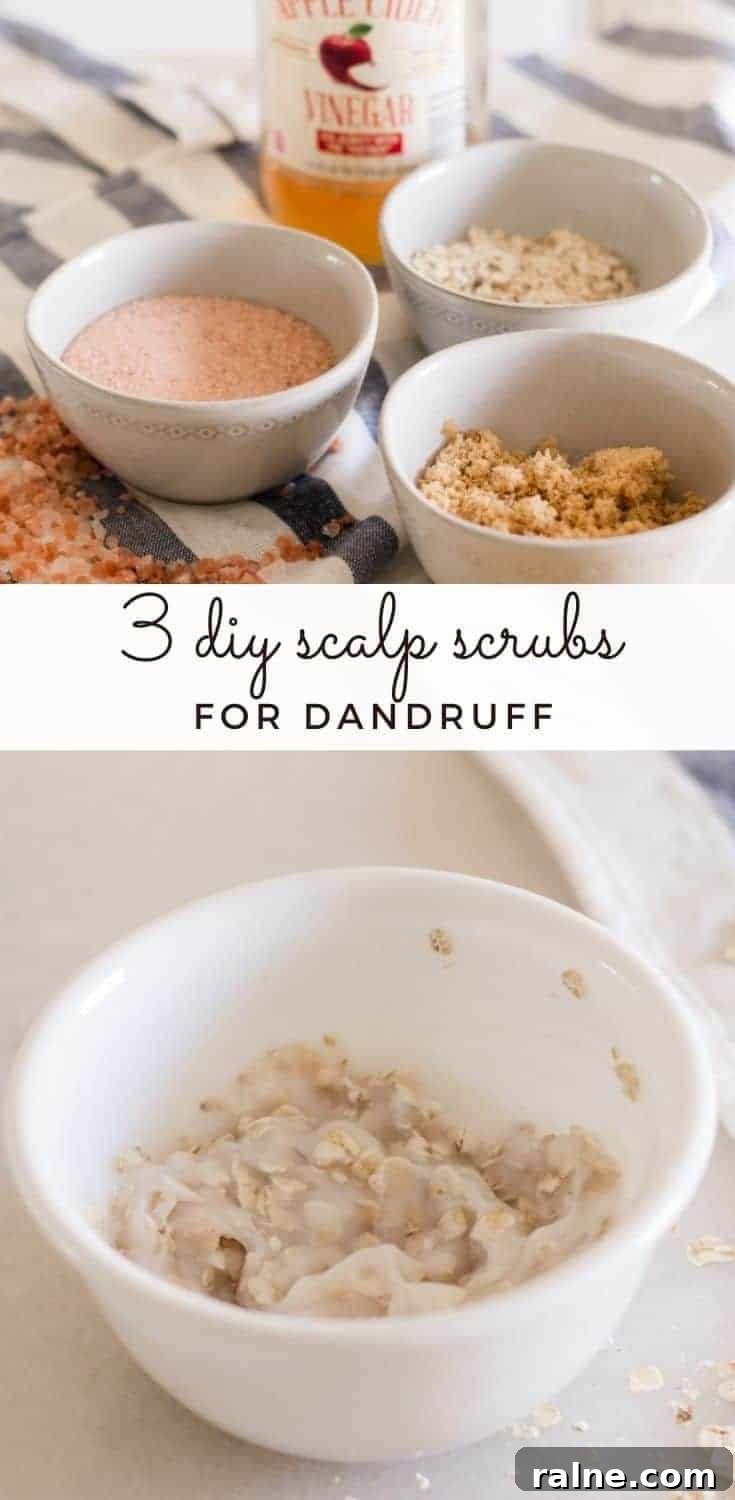
DIY SCALP SCRUBS
There are several easy scalp scrub recipes you can make with everyday pantry items. Follow an exfoliation treatment with a deep conditioning treatment to restore moisture and help keep dandruff at bay.
Common exfoliants for the scalp include salt, sugar, oatmeal, and baking soda. Below are effective homemade scalp scrubs for different scalp types.
HOMEMADE SCALP SCRUBS FOR DANDRUFF
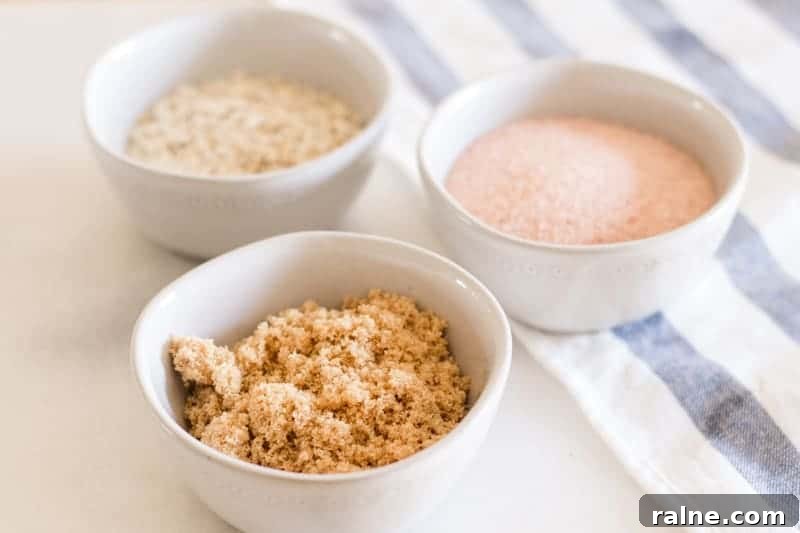
Salt and sugar scrubs have long been used to improve dry skin. Salt helps remove impurities and product buildup and is best suited for oily scalps because it can help reduce excess sebum. Sugar scrubs are gentler and add a degree of moisture, making them a good choice for dry or sensitive scalps.
SCALP EXFOLIATION DIY
SALT SCALP SCRUB
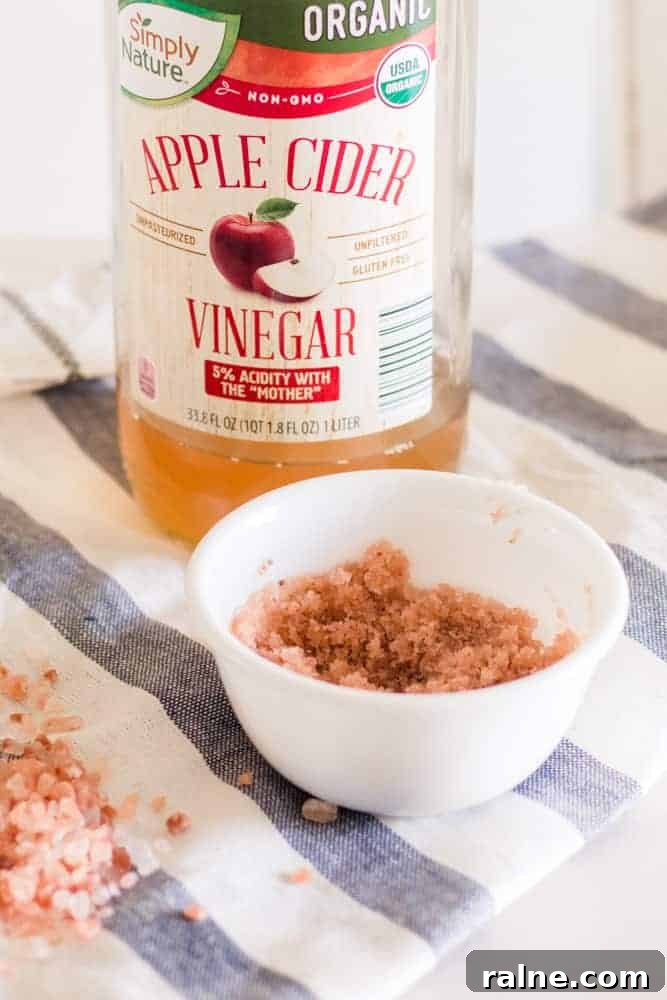
This salt scrub helps loosen dead skin and remove buildup from styling products. It’s especially useful for oily scalps.
- 1 oz (2 tbsp) sea salt
- 0.5 oz avocado oil or similar carrier oil
- 0.5 oz apple cider vinegar
- 2–3 drops lavender essential oil
Mix the ingredients in a small bowl. Shampoo hair first, then apply the scrub to the wet scalp. Massage thoroughly, leave for a couple of minutes, rinse with warm water, and follow with a scalp serum or conditioner.
Pro tip: Epsom salt can be used as an alternative to sea salt, though it is coarser.
SUGAR SCALP SCRUB
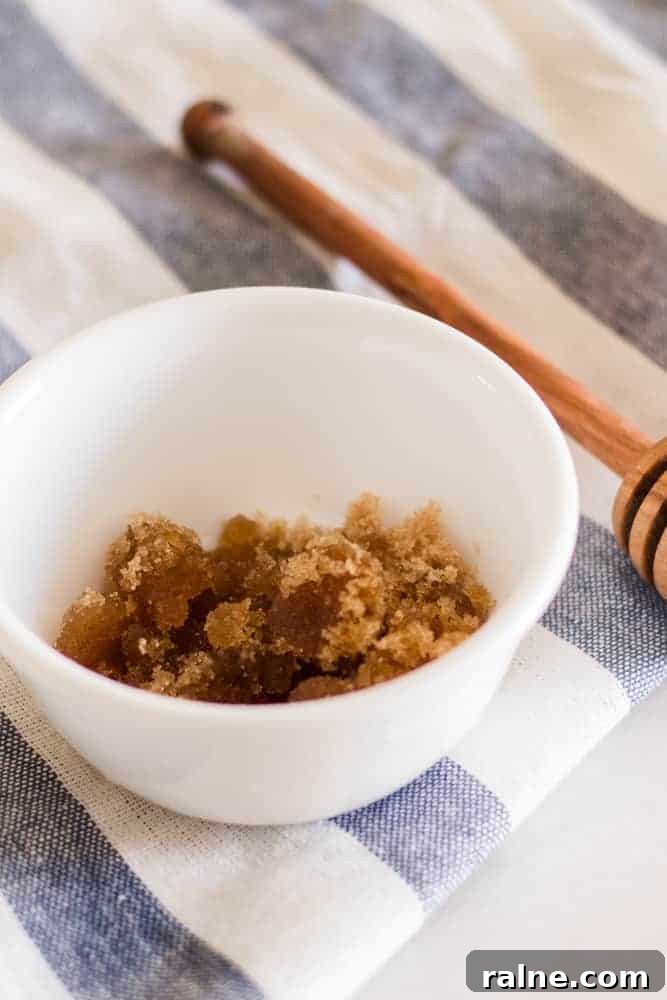
Sugar gently exfoliates and helps unclog pores. Brown sugar is less abrasive and better suited to sensitive skin.
- 1 oz (2 tbsp) brown sugar
- 0.5 oz coconut oil
- 0.5 oz honey
- 2–3 drops rosemary essential oil
Combine ingredients in a bowl, apply to wet hair, massage into the scalp for several minutes, then rinse and follow with shampoo and conditioner.
OATMEAL SCALP SCRUB
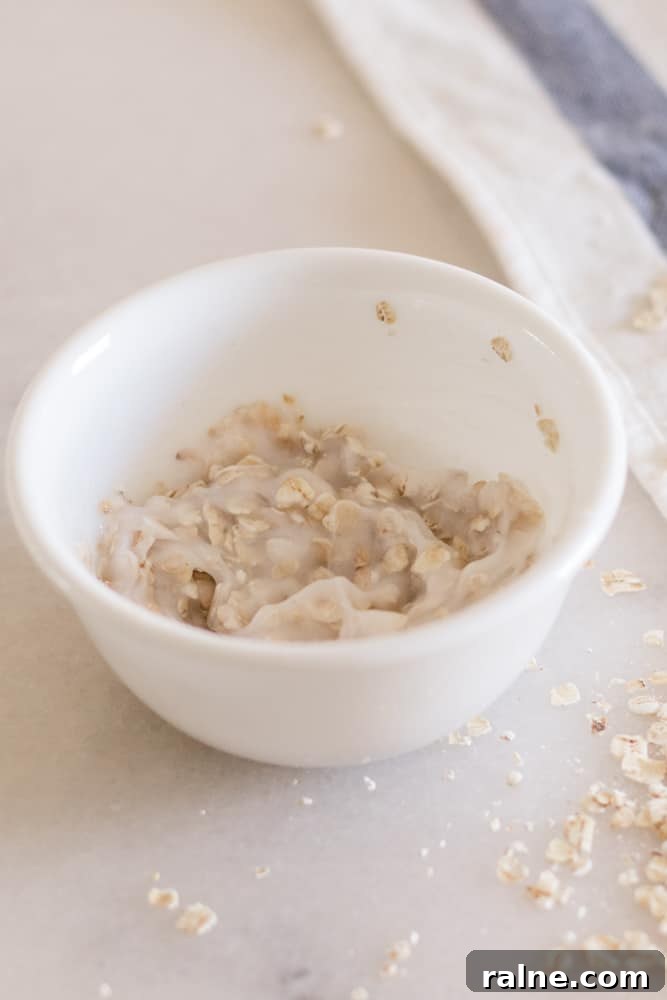
Finely ground oatmeal gently exfoliates and soothes sensitive scalps, making it suitable for children or adults with irritation.
- 1 tbsp finely ground oatmeal
- 0.5 oz (1 tbsp) natural conditioner
- 2–3 drops tea tree essential oil
- 0.5 oz (1 tbsp) white sugar (optional)
Mix and apply after shampooing, massage into the scalp, then rinse with warm water.
BAKING SODA SCALP SCRUB
Baking soda can cleanse and reduce buildup, but it is not appropriate for everyone. It may be drying and is not recommended for long-term use or for color-treated hair.
- 3 tbsp baking soda
- 0.5 oz (1 tbsp) water
- 2–3 drops peppermint essential oil
Make a paste just before use, apply to wet hair, massage into the scalp, then rinse. Follow with an apple cider vinegar rinse to help restore shine.
DIY SCALP SCRUB FOR HAIR GROWTH
If your goal is hair growth, add lavender and rosemary essential oils to your scrub recipes; these oils are commonly used to support scalp circulation and hair strength. Other essential oils to try include peppermint, cedarwood, frankincense, and tea tree.
If growth remains slow, consider supplementing with a targeted hair growth spray applied to the roots as part of your routine.
HOW OFTEN SHOULD YOU EXFOLIATE THE SCALP?
Don’t overdo it. Over-exfoliation can irritate the scalp and worsen flaking. Aim for 1–2 scalp treatments per week to reduce dandruff and support a healthy scalp balance.
IN SUMMARY
Sugar, salt, oatmeal, and baking soda can all be effective for removing dead skin, reducing irritation, and minimizing dandruff when used appropriately. Pair exfoliation with nourishing oils and essential oils like rosemary or lavender to help improve hair health and strength.
If you experience severe or persistent scalp issues, consult a healthcare professional or dermatologist for personalized advice.
DIY Scalp Scrub for Dandruff
Equipment
- small bowl for mixing
Ingredients
Sugar Scalp Scrub
- 1 oz (2 tbsp) brown sugar
- 0.5 oz (1 tbsp) coconut oil
- 0.5 oz (1 tbsp) honey
- 2–3 drops rosemary essential oil
Salt Scalp Scrub
- 1 oz (2 tbsp) sea salt
- 0.5 oz avocado oil (or similar carrier oil)
- 0.5 oz apple cider vinegar
- 2–3 drops lavender essential oil
Oatmeal Scalp Scrub
- 1 tbsp oatmeal (finely ground)
- 0.5 oz (1 tbsp) natural conditioner
- 2–3 drops tea tree essential oil
- 0.5 oz (1 tbsp) white sugar (optional)
Baking Soda Scalp Scrub
- 3 tbsp baking soda
- 0.5 oz (1 tbsp) filtered water
- 2–3 drops peppermint essential oil (optional)
Instructions
- Choose one of the recipes above.
- Mix all ingredients in a small bowl.
- Apply a generous amount of the scrub to wet hair.
- Massage into the scalp for several minutes.
- Rinse with warm water and follow with shampoo and conditioner.
This recipe is for informational purposes and not intended as medical advice. Perform your own research and tests before trying any recipe on your skin or scalp.